
カノン
Canon in D
パッヘルベル・c. 1680–1706
同じ8つの音が28回!なのに聴くたび胸がいっぱいになる曲。
カノンとジーグ ニ長調 より「カノン」のページへ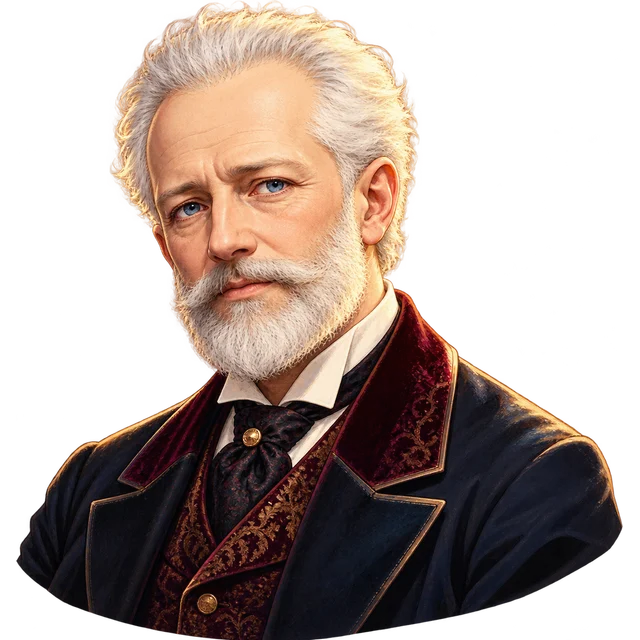
Orchestral · Op. 48 · 1880
ピョートル・イリイチ・チャイコフスキー(1840–1893)
弦楽器だけで奏でる、あたたかく分厚いハーモニー。Only strings, but what a rich, warm sound!
PUBLIC DOMAIN RECORDING
CC BY 4.0 無料でダウンロードOKWATCH ON YOUTUBE
 Tchaikovsky: Serenade for Strings, Op. 48: I. Pezzo in forma di sonatina. Andante non troppo –...
Berliner Philharmoniker - Topic(YouTube) YouTube で開く ↗
Tschaikowsky: Streicherserenade ∙ hr-Sinfonieorchester ∙ Alain Altinoglu
hr-Sinfonieorchester – Frankfurt Radio Symphony(YouTube) YouTube で開く ↗
左の音源は権利が切れた録音なのでダウンロードできます。右の動画は YouTube の公式の埋め込みで見るもので、ダウンロードはできません(動画の権利は各チャンネルにあります)。
 もっと名演を観る YouTube で何百万回も再生された人気の演奏
Tchaikovsky & Dvořák: Serenades for Strings
Brilliant Classics(YouTube) YouTube で開く ↗
Tchaikovsky - Serenade for Strings Op. 48 (Score)
AltoClef(YouTube) YouTube で開く ↗
Tchaikovsky: Serenade for Strings - Concertgebouw Kamerorkest / Chamber Orchestra - Live concert HD
AVROTROS Klassiek(YouTube) YouTube で開く ↗

ホー!楽譜には「弦楽器の人数は多いほどよい」と書いてあるんだ。
 この曲のおはなし The Story
弦楽セレナーデは、チャイコフスキーが1880年に作曲した、弦楽器だけのオーケストラのための曲です。セレナーデとは、もともと夕べに恋人の窓の下で歌う歌のこと。のちに、くつろいで楽しむ多楽章の器楽曲もそう呼ばれるようになりました。冒頭の、弦楽器がいっせいに鳴らす分厚い和音がとても印象的です。Tchaikovsky wrote his Serenade for Strings in 1880 for an orchestra of string instruments only. A serenade was first a song sung in the evening under a lover's window. Later, the word was also used for relaxed instrumental works in several movements. The thick, rich chords at the very start are unforgettable.
第1楽章は「ソナチネ形式による小品」と名づけられ、チャイコフスキーが心から尊敬していたモーツァルトへのあこがれをこめて書かれました。第2楽章はエレガントなワルツ、第3楽章は「エレジー(悲歌)」、第4楽章はロシア民謡をもとにしたにぎやかなフィナーレです。最後には冒頭の和音が再び現れます。The first movement is called 'Piece in the form of a sonatina', and it was written as a tribute to Mozart, whom Tchaikovsky deeply admired. The second movement is an elegant waltz, the third is an elegy, a song of sadness, and the fourth is a lively finale based on Russian folk songs. At the end, the opening chords return.
同じ1880年、チャイコフスキーは序曲「1812年」も書いています。彼は手紙で、「1812年」はあまり気持ちをこめずに書いたが、セレナーデは内からわき上がる思いで書いた、心から感じた作品だと述べています。1881年にペテルブルクで公式に初演され、すぐに人気曲となりました。In the same year, Tchaikovsky also wrote the 1812 Overture. In a letter, he said he wrote the overture without much warmth or love, but the Serenade came from an inner urge and was truly heartfelt. Its first public performance was in St Petersburg in 1881, and it soon became popular.
This music is played only by string instruments, like violins and cellos. It starts with big, warm chords. The second part is a beautiful waltz. The composer said that he wrote this music from his heart.この曲は、バイオリンやチェロなど、弦楽器だけで演奏されます。大きくてあたたかい和音で始まります。2つ目の部分は、美しいワルツです。作曲家は、この曲を心をこめて書いたと言いました。
 聴きどころ Listening Guide
 えっ!?ネタ Surprising Facts
 タップすると答えが開きます
日本では、冒頭の重々しい和音とメロディが、1990年代に人材派遣会社のテレビCMで「オー人事、オー人事」の言葉とともに流れ、一気に有名になりました。悩める会社員の場面に重なるドラマチックな響きが、強く印象に残ったのです。
In Japan, the heavy opening chords and melody became famous in the 1990s through a TV ad for a staffing company, with the words 'O-jinji, O-jinji'. The dramatic sound matched scenes of troubled office workers and stuck in people's minds.
チャイコフスキーは楽譜に、弦楽オーケストラの人数は多ければ多いほど作曲者の望みにかなう、という意味の言葉を書きこみました。少人数の室内楽ではなく、たくさんの弦楽器が重なる、厚みのある豊かな響きを求めていたのです。
Tchaikovsky wrote in the score that the larger the string orchestra, the better it would match his wishes. He wanted not a small chamber group but the deep, rich sound of many strings playing together.
1880年12月、モスクワ音楽院の先生や学生たちが、チャイコフスキーをおどろかせようと、この曲をこっそり練習して演奏しました。本人を招いての、サプライズの私的な演奏会だったと伝えられています。正式な初演は、翌1881年のペテルブルクでした。
In December 1880, teachers and students at the Moscow Conservatory secretly rehearsed the Serenade and played it to surprise Tchaikovsky. It is said to have been a private surprise concert for him. The official premiere came the next year in St Petersburg.
振付家ジョージ・バランシンは、アメリカに渡って最初に作ったバレエ「セレナーデ」(1934年)に、この曲を使いました。物語のない、音楽そのものを踊りで表すような作品で、今もニューヨーク・シティ・バレエなどで大切に踊りつがれています。
The choreographer George Balanchine used this music for Serenade (1934), the first ballet he created in America. It has no story and seems to show the music itself through dance. It is still treasured by New York City Ballet and other companies.
ENGLISH × MASTERPIECE
 鐘のように「本物の音がする」こと。話や説明が本当らしく、信じられると思えるときに使います。
 この曲で覚える英単語 Words
 クイズに挑戦 Quiz
 この録音について(著作権・出典) Credits
MORE MASTERPIECES
パッヘルベル・c. 1680–1706
同じ8つの音が28回!なのに聴くたび胸がいっぱいになる曲。
カノンとジーグ ニ長調 より「カノン」のページへ
パーセル・1695
ブリテンが「オーケストラ入門」のテーマに選んだ、かっこいいメロディー。
劇音楽「アブデラザール」より ロンドのページへ
バッハ・c. 1704 (?)
タラリ〜!一度聴いたら忘れない、オルガンの大迫力の幕開け。
トッカータとフーガ ニ短調のページへバッハ・c. 1706–1713
足が弾く低いテーマが21回!重くて壮大な、オルガンの大建築。
パッサカリアとフーガ ハ短調のページへ
ヘンデル・1711
「泣かせてください」と歌う、深い悲しみに満ちた名アリア。
私を泣かせてください(歌劇『リナルド』より)のページへバッハ・1713
2本のリコーダーがやさしく鳴る、のどかな牧場の歌。
カンタータ第208番より「羊は安らかに草を食み」のページへ
コレッリ・published 1714
聖なる夜のために。最後に羊飼いの笛のようなパストラーレが流れます。
合奏協奏曲 ト短調「クリスマス協奏曲」のページへ
クープラン・published 1717
題名の意味はだれも知らない!やわらかく波打つ、なぞの名曲。
神秘的なバリケードのページへ
 MP3