
テ・デウム
Te Deum
シャルパンティエ・c. 1688–1698
パンパカパーン!ヨーロッパのテレビの幕開けを飾ってきた、ごうかな前奏曲。
テ・デウム ニ長調のページへ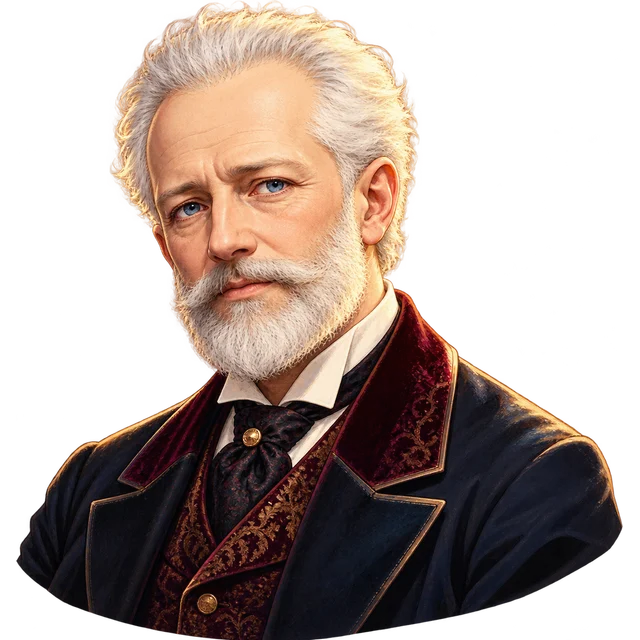
Concerto · Op. 23 · 1874–1875
ピョートル・イリイチ・チャイコフスキー(1840–1893)
ホルンの合図とピアノの大和音!世界一有名なオープニング。Horns call, the piano crashes in: a world-famous opening!
PUBLIC DOMAIN RECORDING
CC BY-SA 3.0 無料でダウンロードOKWATCH ON YOUTUBE
 Tchaikovsky: Piano Concerto No. 1 in B-Flat Minor, Op. 23: I. Allegro non troppo e molto...
Evgeny Kissin - Topic(YouTube) YouTube で開く ↗
Tschaikowsky: 1. Klavierkonzert ∙ hr-Sinfonieorchester ∙ Alexander Malofeev ∙ Ivan Repušic
hr-Sinfonieorchester – Frankfurt Radio Symphony(YouTube) YouTube で開く ↗
左の音源は権利が切れた録音なのでダウンロードできます。右の動画は YouTube の公式の埋め込みで見るもので、ダウンロードはできません(動画の権利は各チャンネルにあります)。
 もっと名演を観る YouTube で何百万回も再生された人気の演奏
Tchaikovsky - Piano Concerto 1 (B Flat Minor)
The Wicked North(YouTube) YouTube で開く ↗
Tchaikovsky: Piano Concerto No. 1 | Martha Argerich, Charles Dutoit & the Verbier Festival Orchestra
DW Classical Music(YouTube) YouTube で開く ↗
Tchaikovsky - Piano Concerto No. 1
Kassia(YouTube) YouTube で開く ↗
Tchaikovsky Piano Concerto No 1 FULL / Martha Argerich, piano - Charles Dutoit, conductor
spanishbaritone(YouTube) YouTube で開く ↗
ホー!あの有名な冒頭のメロディ、じつは曲の中で二度と出てこないんだよ。
 この曲のおはなし The Story
ピアノ協奏曲第1番は、チャイコフスキーが1874年から1875年にかけて作曲した、ピアノとオーケストラのための曲です。ホルンの力強い合図に続いて、ピアノがどっしりした和音を打ち鳴らし、弦楽器が雄大なメロディを歌う冒頭は、クラシックの中でも指折りの有名なオープニングです。Tchaikovsky wrote his Piano Concerto No. 1 for piano and orchestra in 1874 and 1875. After a bold call from the horns, the piano crashes in with huge chords while the strings sing a sweeping melody. It is one of the most famous openings in classical music.
チャイコフスキーは完成した曲を、尊敬するピアニストのニコライ・ルビンシテインに聴かせました。ところがルビンシテインは「価値がない」「弾けない」と厳しく批判したと、チャイコフスキー自身がのちに手紙に書いています。チャイコフスキーは「一音も変えない」と言い返し、曲をドイツの名ピアニスト、ハンス・フォン・ビューローにささげました。Tchaikovsky played the new concerto for Nikolai Rubinstein, a pianist he respected. According to a letter Tchaikovsky wrote later, Rubinstein harshly called it worthless and unplayable. Tchaikovsky replied that he would not change a single note, and he dedicated the work to the German pianist Hans von Bülow instead.
初演は1875年10月、なんとアメリカのボストンで、ビューローの独奏によって行われ、成功をおさめました。のちにルビンシテインもこの曲を弾くようになります。チャイコフスキーはその後この協奏曲を改訂しました。今は1890年の版が広く演奏されていますが、その変更をすべて本人が認めたかどうかには議論があります。今では世界中のピアニストが弾く、協奏曲の代表作です。The premiere took place in October 1875 in Boston, USA, with Bülow as soloist, and it was a success. Later, Rubinstein himself came to play the concerto. Tchaikovsky later revised it. Most performances today use the 1890 edition, although scholars debate whether he approved every change in it. Now it is one of the most popular concertos in the world.
This music is for piano and orchestra. It starts with loud horns and big piano chords. The pianist Nikolai Rubinstein strongly criticized it. At first, the composer refused to change it. Later, he did revise it. Now pianists all over the world play it.これはピアノとオーケストラのための曲です。大きなホルンの音と、ピアノの大きな和音で始まります。ピアニストのニコライ・ルビンシテインは、この曲をきびしく批判しました。作曲家は最初、曲を変えることをことわりました。でも、のちに手直ししています。今では世界中のピアニストがこの曲を弾いています。
 聴きどころ Listening Guide
 えっ!?ネタ Surprising Facts
 タップすると答えが開きます
だれもが知る冒頭の雄大なメロディは、第1楽章のはじめの部分だけで終わり、その後は二度と登場しません。協奏曲の「顔」ともいえるメロディを序奏だけに使うという、なんともぜいたくな作りです。
The grand opening melody that everyone knows appears only at the start of the first movement and never returns. Using the concerto's most famous tune just for the introduction is a very bold choice.
1958年、モスクワで開かれた第1回チャイコフスキー国際コンクールで、アメリカの若きピアニスト、ヴァン・クライバーンがこの曲などを弾いて優勝しました。米ソが対立する冷戦のさなかの出来事で、帰国した彼はニューヨークで紙吹雪のパレードで迎えられました。
In 1958, the young American pianist Van Cliburn won the first International Tchaikovsky Competition in Moscow, playing this concerto among other works. It happened during the Cold War, and back home he was welcomed with a ticker-tape parade in New York.
第1楽章の速い部分の主題は、ウクライナの民謡がもとになっていると言われます。チャイコフスキーは、妹が暮らすカーメンカ近くの市場で、目の不自由な歌い手たちが歌っていた歌を聴き、それを取り入れたと伝えられています。
The main fast theme of the first movement is said to be based on a Ukrainian folk song. Tchaikovsky is reported to have heard blind singers perform it at a market near Kamenka, where his sister lived.
初演がボストンになったのは、曲をささげられたビューローが、ちょうどアメリカで演奏旅行をしていたからです。ビューローは成功を電報でチャイコフスキーに知らせたと言われます。ロシアの大作曲家の代表作が、海の向こうでデビューしたのです。
The premiere was in Boston because Bülow, who received the dedication, was on a concert tour of America. He is said to have sent Tchaikovsky a telegram about the success. A great Russian work made its debut across the ocean.
ENGLISH × MASTERPIECE
 ovation は「大喝采」。観客が立ち上がって拍手を送ることです。
 この曲で覚える英単語 Words
 クイズに挑戦 Quiz
 この録音について(著作権・出典) Credits
MORE MASTERPIECES
シャルパンティエ・c. 1688–1698
パンパカパーン!ヨーロッパのテレビの幕開けを飾ってきた、ごうかな前奏曲。
テ・デウム ニ長調のページへ
パーセル・1695
ブリテンが「オーケストラ入門」のテーマに選んだ、かっこいいメロディー。
劇音楽「アブデラザール」より ロンドのページへ
バッハ・c. 1704 (?)
タラリ〜!一度聴いたら忘れない、オルガンの大迫力の幕開け。
トッカータとフーガ ニ短調のページへバッハ・c. 1703–1707 (?)
音楽の授業でおなじみ!4つの声が同じテーマで追いかけっこ。
小フーガ ト短調のページへバッハ・c. 1706–1713
足が弾く低いテーマが21回!重くて壮大な、オルガンの大建築。
パッサカリアとフーガ ハ短調のページへバッハ・c. 1707–1710 (?)
キラキラの駆け上がりで幕開け!若きバッハのはなやかな鍵盤ショー。
トッカータ ニ長調のページへ
ヴィヴァルディ・published 1711
2本のヴァイオリンが火花を散らす!バッハも編曲した熱い協奏曲。
協奏曲集『調和の霊感』第8番 イ短調(2つのヴァイオリンのための協奏曲)のページへヴィヴァルディ・c. 1715
オクターブがぴょんぴょん跳ねる!喜びがはじける合唱の名曲。
グローリア ニ長調のページへ
 MP3