
ダイドーの嘆き
Dido's Lament
パーセル・by 1689
「わたしを覚えていて」。くり返す低音にのせた、胸をうつ別れの歌。
歌劇「ダイドーとエネアス」より「ダイドーの嘆き」のページへ
Piano · Op. 37a · 1875–1876
ピョートル・イリイチ・チャイコフスキー(1840–1893)
落ち葉がひらひら…。ピアノで歌う、さびしくて美しい秋の歌。Falling leaves... a sad and beautiful autumn song for piano.
WATCH ON YOUTUBE
この曲は、権利の切れた高音質の録音がまだ見つからないため、YouTube の公式チャンネルなどの名演でお楽しみください(ダウンロードはできません)。YouTube でほかの演奏もさがす ↗
 Yunchan Lim - Tchaikovsky The Seasons, Op 37a X, October, Autumn Song (Album Audio)
Yunchan Lim(YouTube) YouTube で開く ↗
Tchaikovsky: The Seasons: October. Autumn Song (Alexander Malofeev)
Mariinsky Theatre(YouTube) YouTube で開く ↗
The Seasons, Op. 37b: X. October (Autumn Song)
Khatia Buniatishvili - Topic(YouTube) YouTube で開く ↗
Tchaikovsky - Autumn Song
The Wicked North(YouTube) YouTube で開く ↗

ホー!この曲、毎月1曲ずつ雑誌に載った、12か月のピアノ曲集の1つなんだ。
 この曲のおはなし The Story
「10月 秋の歌」は、チャイコフスキーのピアノ曲集「四季」の1曲です。「四季」は1月から12月まで、毎月の情景を1曲ずつ描いた12曲からできています。「10月」はゆっくりとした短調(さびしい感じの音階)の曲で、散っていく落ち葉や、さびしくなっていく庭を思わせる、しみじみとした歌が流れます。12曲の中でもとくに人気のある曲です。October: Autumn Song is one piece from Tchaikovsky's piano collection The Seasons. The Seasons has twelve pieces, one for each month from January to December, each showing a scene from that month. October is slow and in a minor key. Its gentle, sad song makes you think of falling leaves and a lonely garden. It is one of the most popular of the twelve.
1875年の終わり、ペテルブルクの音楽雑誌「ヌヴェリスト」の編集者ベルナルドが、毎月の号に1曲ずつ載せるピアノ曲を頼みました。それぞれの曲にはロシアの詩が添えられていて、「10月」にはアレクセイ・トルストイの「秋、わたしたちのさびしい庭はすっかり散っていく。黄色くなった葉が風に舞う」という意味の詩がついています。題名と詩は出版者が選んだという説が有力です。In late 1875, Nikolai Bernard, the editor of the music magazine Nouvellist in St. Petersburg, asked Tchaikovsky for a piano piece for each monthly issue. Each piece came with lines of Russian poetry. For October, there are lines by Aleksey Tolstoy that mean, 'Autumn, our poor garden is all falling down; the yellow leaves fly in the wind.' Many believe the publisher chose the titles and poems.
曲は1876年の1年間、毎月1曲ずつ雑誌に載りました。チャイコフスキーは召使いに「毎月、作曲の日を思い出させてくれ」と頼んでいた、という話が伝わっていますが、確かなことはわかっていません。家庭で弾ける小品として作られたこの曲集は、今ではピアニストの演奏会でも取り上げられ、オーケストラ用の編曲でも親しまれています。The pieces appeared in the magazine one by one, each month of 1876. There is a story that Tchaikovsky asked his servant to remind him every month when a piece was due, but nobody knows if it is true. The set was meant as small pieces to play at home, but today pianists play it in concerts, and it is also loved in orchestral arrangements.
This is a piano piece about October. It is slow and a little sad. You can imagine yellow leaves falling in a garden. Tchaikovsky wrote twelve pieces, one for each month. A magazine printed one piece every month!これは10月のピアノ曲です。ゆっくりで、少しさびしい感じです。庭に黄色い葉が落ちていく様子が思いうかびます。チャイコフスキーは、月ごとに1曲ずつ、12曲を書きました。雑誌が毎月1曲ずつ載せたのです!
 聴きどころ Listening Guide
 えっ!?ネタ Surprising Facts
 タップすると答えが開きます
「四季」は、音楽雑誌「ヌヴェリスト」の1876年の各号に、その月の曲が1曲ずつ載る「連載」でした。読者は毎月、新しいチャイコフスキーのピアノ曲を楽しみにしていたのです。10月号に載ったのが、この「秋の歌」でした。
The Seasons was a series in the music magazine Nouvellist: each issue in 1876 printed the piece for that month. Readers could look forward to a new piano piece by Tchaikovsky every month. This Autumn Song appeared in the October issue.
それぞれの曲の楽譜には、ロシアの詩人の詩が少しずつ添えられています。「10月」は、アレクセイ・トルストイの、散っていく庭と風に舞う黄色い葉をうたった詩です。題名や詩を選んだのは、作曲者ではなく出版者だったという説が有力です。
Each piece in the score comes with a few lines by a Russian poet. October has lines by Aleksey Tolstoy about a garden losing its leaves and yellow leaves flying in the wind. Many believe the publisher, not the composer, chose the titles and poems.
チャイコフスキーは、毎月の締め切りを忘れないよう、召使いに「作曲する日になったら知らせてくれ」と頼んでいた、という話が伝わっています。ただし、これは後から語られた話で、本当かどうかははっきりしません。何曲かまとめて書いたのでは、と考える研究者もいます。
There is a story that Tchaikovsky asked his servant to tell him each month when it was time to write the next piece, so he would not miss the deadline. But this story was told later, and we do not know if it is true. Some scholars think he wrote several pieces at once.
この曲では、高い音のメロディーに、途中から中ほどの音のもう1つのメロディーがからんできます。まるで2人の歌手が秋のさびしさを歌い交わす二重唱のようです。1台のピアノで、2つの声を歌い分けるのが、演奏のむずかしさであり、聴きどころでもあります。
In this piece, a second melody in the middle range joins the high melody. It sounds like two singers sharing the sadness of autumn in a duet. Making two voices sing on one piano is the challenge of playing it, and also the joy of hearing it.
ENGLISH × MASTERPIECE
 さびしくないように一緒にいる、ということ。I'll keep you company.(付きあうよ)
 この曲で覚える英単語 Words
 クイズに挑戦 Quiz
 著作権について Credits
MORE MASTERPIECES
パーセル・by 1689
「わたしを覚えていて」。くり返す低音にのせた、胸をうつ別れの歌。
歌劇「ダイドーとエネアス」より「ダイドーの嘆き」のページへ
パッヘルベル・c. 1680–1706
同じ8つの音が28回!なのに聴くたび胸がいっぱいになる曲。
カノンとジーグ ニ長調 より「カノン」のページへ
バッハ・c. 1703–1707 (?)
音楽の授業でおなじみ!4つの声が同じテーマで追いかけっこ。
小フーガ ト短調のページへバッハ・c. 1706–1713
足が弾く低いテーマが21回!重くて壮大な、オルガンの大建築。
パッサカリアとフーガ ハ短調のページへ
ヘンデル・1711
「泣かせてください」と歌う、深い悲しみに満ちた名アリア。
私を泣かせてください(歌劇『リナルド』より)のページへバッハ・1713
2本のリコーダーがやさしく鳴る、のどかな牧場の歌。
カンタータ第208番より「羊は安らかに草を食み」のページへ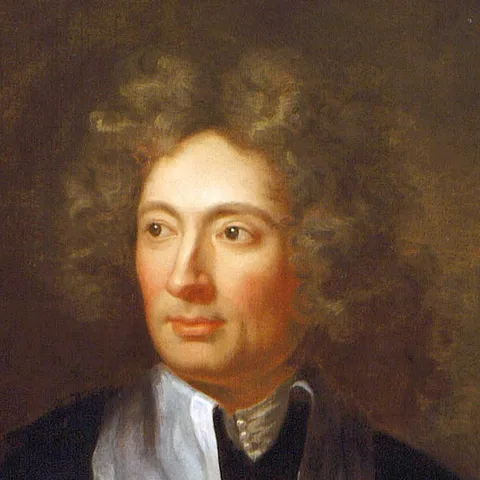
コレッリ・published 1714
聖なる夜のために。最後に羊飼いの笛のようなパストラーレが流れます。
合奏協奏曲 ト短調「クリスマス協奏曲」のページへ
クープラン・published 1717
題名の意味はだれも知らない!やわらかく波打つ、なぞの名曲。
神秘的なバリケードのページへ
 MP3