
カノン
Canon in D
パッヘルベル・c. 1680–1706
同じ8つの音が28回!なのに聴くたび胸がいっぱいになる曲。
カノンとジーグ ニ長調 より「カノン」のページへ
Song · Op. 48 No. 1 · 1840 (pub. 1844)
ロベルト・シューマン(1810–1856)
恋が芽ばえた5月の歌。なのに、ふしぎと「答え」のないまま終わる。A song of love in May that ends without an answer.
WATCH ON YOUTUBE
この曲は、権利の切れた高音質の録音がまだ見つからないため、YouTube の公式チャンネルなどの名演でお楽しみください(ダウンロードはできません)。YouTube でほかの演奏もさがす ↗
 Dichterliebe, Op. 48: No. 1, Im wunderschönen Monat Mai
Ian Bostridge - Topic(YouTube) YouTube で開く ↗
Schumann: Dichterliebe, Op. 48 - I. Im wunderschönen Monat Mai
Matthias Goerne - Topic(YouTube) YouTube で開く ↗
Dichterliebe, Op. 48: 1. Im wunderschönen Monat Mai
Jonas Kaufmann - Topic(YouTube) YouTube で開く ↗

ホー!この歌は、最後の和音が落ち着かないまま、宙に浮いたように終わるんだ。
 この曲のおはなし The Story
「美しい5月に」は、シューマンの歌曲集『詩人の恋』の第1曲です。詩はドイツの詩人ハインリヒ・ハイネによるもので、「とても美しい5月、つぼみがひらくころ、わたしの心にも恋が芽ばえた」という内容。歌とピアノのための、とても短い歌ですが、全16曲からなる恋の物語の、大切な入り口になっています。'Im wunderschönen Monat Mai' ('In the Lovely Month of May') is the first song in Schumann's song cycle Dichterliebe (A Poet's Love). The words are by the German poet Heinrich Heine: in the lovely month of May, when the buds open, love blossomed in my heart. It is a very short song for voice and piano, but it is the doorway into a love story told in sixteen songs.
1840年、シューマンはついにクララと結婚します。その年、彼は1年で100曲をこえる歌曲を書きあげ、この年は「歌の年」とよばれています。『詩人の恋』も、その年の5月の終わりから6月のはじめにかけて、短い期間で一気に作られました。でも、ハイネの詩が語るのは、幸せな恋ではなく、実らなかった恋の物語。最初の歌から、どこか切ない影がさしています。In 1840, Schumann finally married Clara. That year he wrote well over a hundred songs, so it is known as his 'year of song'. Dichterliebe was written quickly, between late May and early June of that year. Yet Heine's poems tell not of happy love but of love that fails. Even in the first song, there is a shadow of sadness.
この歌のピアノは、はっきりした調の「家」に落ち着かないまま、ゆらゆらとさまよいます。そして最後は、次の音へ進みたくなる不安定な和音で、ぷつりと終わります。まるで「この恋はどうなるの?」と問いかけたまま、物語が始まるかのようです。歌曲集は1844年に出版され、今ではドイツ歌曲の最高峰のひとつとされています。The piano part never quite settles into a clear home key; it seems to drift. And the song ends on an unstable chord that wants to move on, as if left hanging in the air. It is as though the story begins with an open question: what will happen to this love? The cycle was published in 1844 and is now seen as one of the peaks of German song.
This is a short love song. Someone falls in love in May. Flowers open, and love opens in that person's heart. But the song ends in a strange way. The last sound does not feel finished!これは短い恋の歌です。ある人が、5月に恋をします。花がひらき、その人の心にも恋がひらきます。でも、この歌はふしぎな終わり方をします。最後の音が、まだ終わっていないように感じるのです!
 聴きどころ Listening Guide
 えっ!?ネタ Surprising Facts
 タップすると答えが開きます
ふつうの曲は、最後に「家」にあたる落ち着いた和音で終わります。でもこの歌は、「次へ進みたい」と感じさせる不安定な和音で終わってしまいます。音楽の専門用語では「解決しない」と言います。恋の始まりの期待と不安が、そのまま音になっているのです。
Most pieces end on a restful 'home' chord. But this song stops on an unstable chord that seems to want to go somewhere else. Musicians call this an 'unresolved' ending. The hope and worry of new love are turned directly into sound.
1840年に作られたときの『詩人の恋』は20曲でした。ところが1844年に出版されたときには4曲がはずされ、16曲になりました。はずされた曲は、のちに別の歌曲集に入れて出版されています。出版された楽譜は、名ソプラノ歌手シュレーダー=デフリエントにささげられました。
When Dichterliebe was written in 1840, it had twenty songs. But when it was published in 1844, four were removed, leaving sixteen. The removed songs were later published in other collections. The published cycle was dedicated to the famous soprano Wilhelmine Schröder-Devrient.
1840年はシューマンがクララと結婚した、人生でいちばん幸せな年のひとつ。結婚のプレゼントとして、歌曲集『ミルテの花』もクララに贈っています。そんな年に、失恋の物語である『詩人の恋』を書いたのは、ふしぎにも思えます。でも、つらい恋をのりこえた彼だからこそ、切ない気持ちがわかったのかもしれません。
1840, the year he married Clara, was one of the happiest of Schumann's life. He even gave her the song collection Myrthen as a wedding gift. It may seem strange that he wrote Dichterliebe, a story of lost love, that same year. But after his own long, painful struggle for love, perhaps he understood heartache very well.
17歳だった1828年、シューマンはミュンヘンで詩人ハイネを訪ねています。のちにハイネの詩には、シューマンだけでなく、シューベルトやメンデルスゾーンなどたくさんの作曲家が曲をつけました。ハイネの詩集『歌の本』は、ドイツ歌曲の宝庫なのです。
In 1828, at the age of seventeen, Schumann visited the poet Heine in Munich. Heine's poems were later set to music not only by Schumann but also by Schubert, Mendelssohn and many others. Heine's Book of Songs is a treasure house of German song.
ENGLISH × MASTERPIECE
 返事や結末を示さずに、相手を待たせたままにすること。話の途中で終わる感じです。
 この曲で覚える英単語 Words
 クイズに挑戦 Quiz
 著作権について Credits
MORE MASTERPIECES
パッヘルベル・c. 1680–1706
同じ8つの音が28回!なのに聴くたび胸がいっぱいになる曲。
カノンとジーグ ニ長調 より「カノン」のページへ
ヘンデル・1711
「泣かせてください」と歌う、深い悲しみに満ちた名アリア。
私を泣かせてください(歌劇『リナルド』より)のページへ
バッハ・1713
2本のリコーダーがやさしく鳴る、のどかな牧場の歌。
カンタータ第208番より「羊は安らかに草を食み」のページへ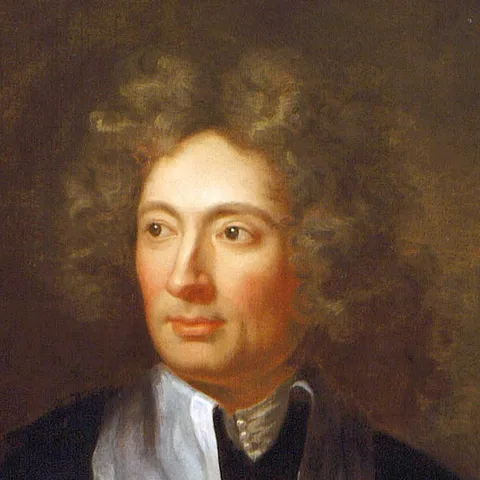
コレッリ・published 1714
聖なる夜のために。最後に羊飼いの笛のようなパストラーレが流れます。
合奏協奏曲 ト短調「クリスマス協奏曲」のページへ
クープラン・published 1717
題名の意味はだれも知らない!やわらかく波打つ、なぞの名曲。
神秘的なバリケードのページへ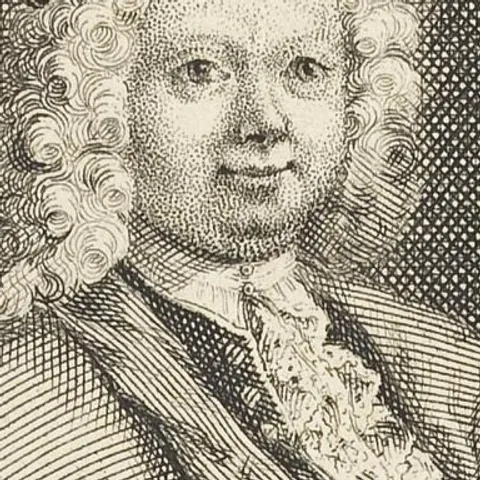
マルチェッロ・published c. 1717
胸にしみるアダージョ!バッハも編曲したオーボエの名曲。
オーボエ協奏曲 ニ短調のページへバッハ・c. 1720
チェロ1本だけで、こんなに豊かな世界が広がる!
無伴奏チェロ組曲 第1番 ト長調のページへバッハ・c. 1720
チェロのいちばん低い「ド」がずしん!堂々とした明るい組曲。
無伴奏チェロ組曲第3番 ハ長調のページへ
 MP3