
ダイドーの嘆き
Dido's Lament
パーセル・by 1689
「わたしを覚えていて」。くり返す低音にのせた、胸をうつ別れの歌。
歌劇「ダイドーとエネアス」より「ダイドーの嘆き」のページへ
Song · D. 547 (Op. 88 No. 4) · 1817
フランツ・シューベルト(1797–1828)
「音楽よ、ありがとう」。たった2番の歌にこめた感謝。"Thank you, music": gratitude in just two verses.
PUBLIC DOMAIN RECORDING
CC BY-SA 4.0 無料でダウンロードOKWATCH ON YOUTUBE
 An die Musik - Schubert - Dietrich Fischer-Dieskau
medici.tv(YouTube) YouTube で開く ↗
Schubert: An die Musik / Finley - Harding - Berliner Philharmoniker
Berliner Philharmoniker(YouTube) YouTube で開く ↗
左の音源は権利が切れた録音なのでダウンロードできます。右の動画は YouTube の公式の埋め込みで見るもので、ダウンロードはできません(動画の権利は各チャンネルにあります)。
 もっと名演を観る YouTube で何百万回も再生された人気の演奏
Schubert: An die Musik, D. 547 (Transc. Soltani for Cello & Piano)
Kian Soltani - Topic(YouTube) YouTube で開く ↗
Franz Schubert: An Die Musik, D 547 - Felicity Lott
civileso(YouTube) YouTube で開く ↗

ホー!歌詞を書いたのは、シューベルトの親友ショーバーなんだ。
 この曲のおはなし The Story
1817年3月、20歳のシューベルトが作った歌曲です。歌詞は親友のフランツ・フォン・ショーバーが書きました。「やさしい芸術よ、どれほど多くの灰色の時に、あなたはわたしの心にあたたかい愛をともしてくれたことか」と、音楽そのものに感謝をささげる歌です。1番と2番を同じメロディで歌う、短くシンプルな曲です。Schubert wrote this song in March 1817, when he was 20. The words are by his close friend Franz von Schober. The singer thanks music itself: "Lovely art, in how many gray hours have you kindled my heart to warm love!" It is a short, simple song in which both verses use the same melody.
ショーバーは、シューベルトを自分の家に住まわせて生活を助けたこともある友人でした。シューベルトのまわりには詩人や画家などの仲間が集まり、彼の音楽を楽しむ「シューベルティアーデ」という集まりが開かれていました。この歌には、そんな仲間たちとの友情もこめられているようです。Schober was a friend who even let Schubert live in his home and helped him get by. Poets, painters and other friends gathered around Schubert, and they held parties called "Schubertiads" to enjoy his music. This song seems to carry the warmth of those friendships too.
曲は1827年に出版されました。ピアノの伴奏は、おだやかな和音とゆったり歩く低音でできていて、歌とピアノが寄りそうように進みます。演奏時間は3分ほどですが、今では歌のリサイタルのしめくくりやアンコールで、感謝の気持ちをこめて歌われることも多い名曲です。The song was published in 1827. The piano part is made of calm chords and a slowly walking bass, so the voice and piano move along side by side. It lasts only about three minutes, but today singers often choose it to close a recital or as an encore, to say thank you.
This song is a thank-you letter to music. The singer says, "Music, you helped me in sad times." The song is short and simple. Schubert's good friend wrote the words. Many singers love this song.この歌は、音楽へのお礼の手紙です。歌い手は「音楽よ、悲しいときにあなたが助けてくれた」と歌います。歌は短くてシンプルです。シューベルトの親友が歌詞を書きました。多くの歌手がこの歌を愛しています。
 聴きどころ Listening Guide
 えっ!?ネタ Surprising Facts
 タップすると答えが開きます
歌手の伴奏で世界的に有名だったピアニスト、ジェラルド・モーアは、1967年ロンドンでの引退コンサートの最後に、ひとりで舞台に出て、自分で編曲したこの曲のピアノ版を弾きました。言葉のかわりに、音楽で「ありがとう」を伝えたのです。
Gerald Moore, a pianist famous around the world for accompanying singers, gave a farewell concert in London in 1967. At the very end, he came on stage alone and played his own piano arrangement of this song. Instead of words, he said "thank you" with music.
ショーバーは、シューベルトに学校の先生の仕事をやめて作曲に打ちこむよう、すすめた友人の一人だと言われています。シューベルトはショーバーの家に何度か住まわせてもらい、二人は生涯の友でした。ショーバーの詩による歌曲は、ほかにもいくつもあります。
Schober is said to have been one of the friends who encouraged Schubert to give up school teaching and focus on composing. Schubert lived at Schober's home more than once, and they stayed friends for life. Schubert set several other poems by Schober as well.
歌詞の「灰色の時」とは、つらく、さびしい時間のことです。シューベルトの暮らしは決して楽ではありませんでしたが、音楽が心の支えでした。たった2番の短い詩ですが、音楽を愛するすべての人の気持ちを代弁しているような歌です。
The "gray hours" in the poem are times of sadness and loneliness. Schubert's life was never easy, but music always supported him. The poem has only two short verses, yet it seems to speak for everyone who loves music.
この歌は、1番と2番を同じメロディで歌う「有節歌曲」です。ドラマチックな「魔王」とは正反対のシンプルな作りですが、低音のゆったりした動きと歌のメロディが美しく重なり、短いのに深い感動を残します。
This is a strophic song: both verses use the same melody. It is as simple as "The Erlking" is dramatic. Yet the slow movement of the bass and the vocal melody fit together so beautifully that this short song leaves a deep impression.
ENGLISH × MASTERPIECE
 spirits は「気分」。持ち上げる、から「元気づける」。My spirits were lifted.(元気が出た)
 この曲で覚える英単語 Words
 クイズに挑戦 Quiz
 この録音について(著作権・出典) Credits
MORE MASTERPIECES
パーセル・by 1689
「わたしを覚えていて」。くり返す低音にのせた、胸をうつ別れの歌。
歌劇「ダイドーとエネアス」より「ダイドーの嘆き」のページへ
パッヘルベル・c. 1680–1706
同じ8つの音が28回!なのに聴くたび胸がいっぱいになる曲。
カノンとジーグ ニ長調 より「カノン」のページへ
ヘンデル・1711
「泣かせてください」と歌う、深い悲しみに満ちた名アリア。
私を泣かせてください(歌劇『リナルド』より)のページへ
バッハ・1713
2本のリコーダーがやさしく鳴る、のどかな牧場の歌。
カンタータ第208番より「羊は安らかに草を食み」のページへ
コレッリ・published 1714
聖なる夜のために。最後に羊飼いの笛のようなパストラーレが流れます。
合奏協奏曲 ト短調「クリスマス協奏曲」のページへ
クープラン・published 1717
題名の意味はだれも知らない!やわらかく波打つ、なぞの名曲。
神秘的なバリケードのページへ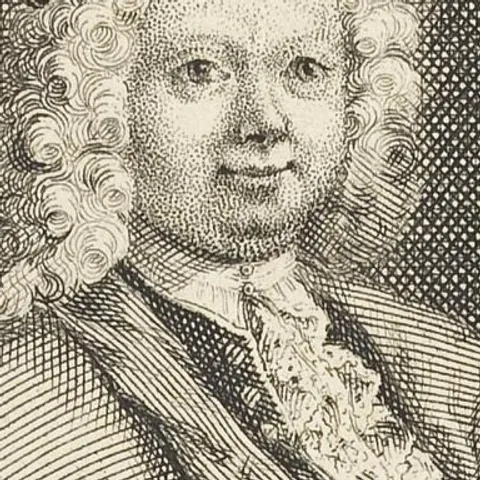
マルチェッロ・published c. 1717
胸にしみるアダージョ!バッハも編曲したオーボエの名曲。
オーボエ協奏曲 ニ短調のページへバッハ・c. 1720
チェロ1本だけで、こんなに豊かな世界が広がる!
無伴奏チェロ組曲 第1番 ト長調のページへ
 MP3