
カノン
Canon in D
パッヘルベル・c. 1680–1706
同じ8つの音が28回!なのに聴くたび胸がいっぱいになる曲。
カノンとジーグ ニ長調 より「カノン」のページへ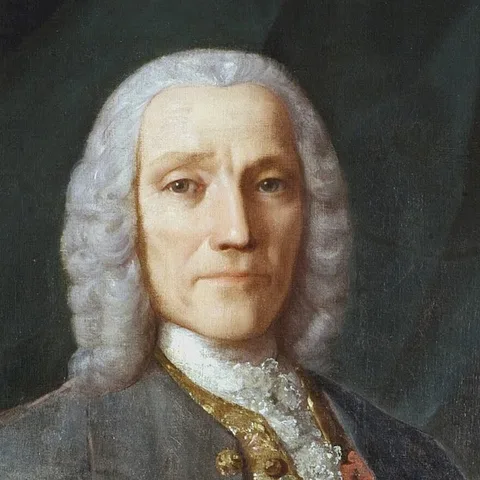
Piano · K. 380 (L. 23) · c. 1754 (manuscript copy)
ドメニコ・スカルラッティ(1685–1757)
ラッパと角笛の行列がやってくる!ホロヴィッツが愛した優雅なソナタ。Here comes the parade: the elegant sonata Horowitz loved.
WATCH ON YOUTUBE
この曲は、権利の切れた高音質の録音がまだ見つからないため、YouTube の公式チャンネルなどの名演でお楽しみください(ダウンロードはできません)。YouTube でほかの演奏もさがす ↗
 Scarlatti Sonata in E major K.380 - Paul Barton, piano
Paul Barton(YouTube) YouTube で開く ↗
Scarlatti Sonata in E Major, K.380 | Tiffany Poon
Tiffany Poon(YouTube) YouTube で開く ↗
Ana Vidovic plays Sonata in E major K 380 by Domenico Scarlatti on a classical guitar
SiccasGuitars(YouTube) YouTube で開く ↗

ホー!スカルラッティは、バッハやヘンデルと同じ1685年生まれなんだよ。
 この曲のおはなし The Story
このソナタは、イタリア生まれの作曲家ドメニコ・スカルラッティが書いた、1楽章だけのチェンバロ曲です。スカルラッティは生涯に555曲ものソナタを残し、その多くは仕えていたスペイン王妃マリア・バルバラのために書かれたと考えられています。ホ長調のこの曲は「アンダンテ・コモド(ゆったり、気楽に)」と書かれた、優雅で堂々とした音楽です。This sonata is a one-movement harpsichord piece by the Italian-born composer Domenico Scarlatti. He left as many as 555 sonatas, and many of them are thought to have been written for Maria Barbara, the Spanish queen he served. This sonata in E major is marked 'Andante comodo' (at an easy walking pace), and it is elegant and stately.
曲の中には、遠くで鳴るラッパのファンファーレや、角笛(ホルン)のような響きを思わせる音型が出てきます。そのため宮廷の行列を思いうかべる人が多く、のちに「コルテージュ(行列)」という愛称もつきました。ただし、これはスカルラッティ自身がつけた名前ではありません。前半と後半をそれぞれくり返す、2部分の形で書かれています。In the music, there are figures that suggest trumpet fanfares in the distance and horn calls. Because of this, many people imagine a royal procession, and later it got the nickname 'Cortège' (procession). But Scarlatti did not give it this name himself. It is written in two parts, and each part is repeated.
スカルラッティの自筆譜はほとんど残っておらず、ソナタは王妃のために作られた写本で伝わっています。この曲も、1754年の日付がある「ヴェネツィア写本」の第8巻などに入っています。20世紀には、ピアニストのホロヴィッツがこの曲をとても気に入り、何度もコンサートで弾きました。ルーマニアのピアニスト、リパッティも1947年に録音しています。Almost none of Scarlatti's own manuscripts survive, so his sonatas come to us through copies made for the queen. This sonata appears in the eighth volume of the 'Venice manuscripts', dated 1754, and in other copies. In the 20th century, the pianist Vladimir Horowitz loved this piece and played it at many concerts. The Romanian pianist Dinu Lipatti also recorded it in 1947.
This piece is short and elegant. It sounds like a parade at a palace. You can almost hear trumpets and horns. A famous pianist, Horowitz, loved to play it. The composer wrote 555 sonatas!この曲は短くて優雅です。宮殿のパレードのように聞こえます。トランペットやホルンの音が聞こえてきそうです。有名なピアニストのホロヴィッツは、この曲を弾くのが大好きでした。作曲家は555曲もソナタを書いたのです!
 聴きどころ Listening Guide
 えっ!?ネタ Surprising Facts
 タップすると答えが開きます
スカルラッティのソナタは全部で555曲。1953年にアメリカのチェンバロ奏者ラルフ・カークパトリックが作った作品目録の番号「K.」でよばれるのがふつうです。それより前のロンゴ番号では、この曲は「L.23」。番号が2つあるのはそのためです。
Scarlatti wrote 555 sonatas. They are usually known by 'K.' numbers from the catalog made in 1953 by the American harpsichordist Ralph Kirkpatrick. In the older Longo catalog, this piece is 'L. 23'. That is why it has two numbers.
20世紀を代表するピアニストのウラディミール・ホロヴィッツは、この曲を何度もリサイタルで弾きました。1986年、約60年ぶりに故郷の国(当時のソ連)へもどって開いたモスクワ公演でも演奏しています。チェンバロの曲を、ピアノで歌うように弾くスタイルが愛されました。
Vladimir Horowitz, one of the greatest pianists of the 20th century, played this piece at many recitals. He even played it at his 1986 concert in Moscow, when he returned to his homeland (then the Soviet Union) after about 60 years. People loved the way he made this harpsichord piece sing on the piano.
王妃マリア・バルバラのために作られた写本は、王妃の死後、王妃に仕えた伝説のカストラート歌手ファリネッリの手にわたったとされます。ファリネッリがイタリアに持ち帰ったものが、今ヴェネツィアの図書館にある写本だと考えられています。
After Queen Maria Barbara died, the copies made for her are thought to have passed to Farinelli, the legendary castrato singer who served at her court. The volumes now in a library in Venice are believed to be the ones Farinelli took back to Italy.
若いころのスカルラッティは、ローマのオットボーニ枢機卿の館で、同い年のヘンデルと腕くらべをしたと伝えられています。チェンバロではスカルラッティの方が上かもしれない、オルガンではヘンデルの勝ち、という結果だったそうです。
It is said that the young Scarlatti once had a keyboard contest with Handel, who was the same age, at Cardinal Ottoboni's palace in Rome. The story goes that Scarlatti was perhaps better on the harpsichord, but Handel won on the organ.
ENGLISH × MASTERPIECE
 高い地位にいる知り合いのこと。have friends in high places の形でよく使います。
 この曲で覚える英単語 Words
 クイズに挑戦 Quiz
 著作権について Credits
MORE MASTERPIECES
パッヘルベル・c. 1680–1706
同じ8つの音が28回!なのに聴くたび胸がいっぱいになる曲。
カノンとジーグ ニ長調 より「カノン」のページへパッヘルベル・c. 1680–1706
あの「カノン」には、はずむ相棒がいた!知られざる後半戦。
カノンとジーグ ニ長調 より「ジーグ」のページへシャルパンティエ・c. 1688–1698
パンパカパーン!ヨーロッパのテレビの幕開けを飾ってきた、ごうかな前奏曲。
テ・デウム ニ長調のページへ
パーセル・1695
ブリテンが「オーケストラ入門」のテーマに選んだ、かっこいいメロディー。
劇音楽「アブデラザール」より ロンドのページへクラーク・c. 1700
結婚式の大定番。でも作曲者は長いあいだ取りちがえられていた!
トランペット・ヴォランタリー(デンマーク王子の行進)のページへ
バッハ・c. 1703–1707 (?)
音楽の授業でおなじみ!4つの声が同じテーマで追いかけっこ。
小フーガ ト短調のページへバッハ・c. 1706–1713
足が弾く低いテーマが21回!重くて壮大な、オルガンの大建築。
パッサカリアとフーガ ハ短調のページへバッハ・c. 1707–1710 (?)
キラキラの駆け上がりで幕開け!若きバッハのはなやかな鍵盤ショー。
トッカータ ニ長調のページへ
 MP3