ソナタ K.27
Sonata K. 27
スカルラッティ・published c. 1738–1739
右手と左手がクロス!しっとり切ない、手の交差のソナタ。
ソナタ ロ短調 K.27のページへBaroque · 1685–1757
「鍵盤ソナタの名人」The master of the keyboard sonata
 ナポリ(イタリア)
 マドリード(スペイン)3 曲を収録
バッハ・ヘンデルと同い年。550曲以上のソナタをのこした鍵盤の魔術師。Born the same year as Bach and Handel, he left more than 550 keyboard sonatas.
 スカルラッティの名曲を聴く
スカルラッティ・published c. 1738–1739
右手と左手がクロス!しっとり切ない、手の交差のソナタ。
ソナタ ロ短調 K.27のページへスカルラッティ・date unknown
連打、連打、また連打!指が悲鳴をあげる超絶ソナタ。
ソナタ ニ短調 K.141のページへスカルラッティ・c. 1754 (manuscript copy)
ラッパと角笛の行列がやってくる!ホロヴィッツが愛した優雅なソナタ。
ソナタ ホ長調 K.380のページへ
ホー!スカルラッティは、バッハやヘンデルと同じ1685年生まれなんだよ。
 生涯 Life Story
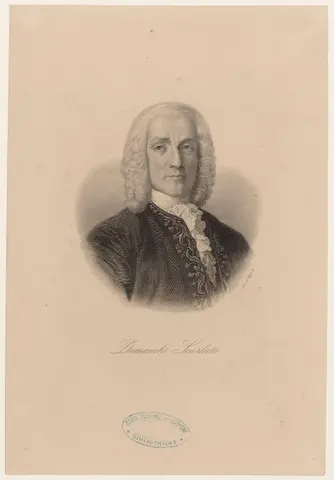
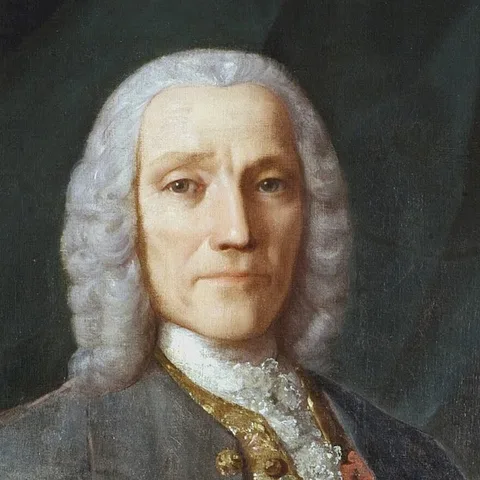
ドメニコ・スカルラッティは1685年10月26日、イタリアのナポリに生まれました。この年はバッハとヘンデルが生まれた年でもあります。父アレッサンドロ・スカルラッティは、ナポリで大人気のオペラ作曲家でした。ドメニコは10代で教会のオルガン奏者・作曲家になり、父に連れられてローマやヴェネツィアなど各地で音楽を学びました。Domenico Scarlatti was born in Naples, Italy, on 26 October 1685 — the same year as Bach and Handel. His father, Alessandro Scarlatti, was a hugely popular opera composer in Naples. Domenico became a church organist and composer in his teens, and his father took him to Rome, Venice and other cities to further his musical education.
ローマでは、若いヘンデルとオットボーニ枢機卿の館で腕くらべをしたと伝えられています。その後、ローマのサン・ピエトロ大聖堂の楽長もつとめました。けれども、きびしい父の影響から自由になるのはなかなか大変で、1717年、32歳のときに法的な手続きをして、ようやく父から独立したと言われています。In Rome, he is said to have competed with the young Handel at Cardinal Ottoboni's palace. He later became music director at St Peter's Basilica in Rome. But it was not easy for him to escape the influence of his strict father. It is said that in 1717, at the age of 32, he finally became independent of his father through a legal process.
1719年ごろ、スカルラッティはポルトガルのリスボンへ移り、王女マリア・バルバラの音楽の先生になりました。1729年、王女がスペインの王子と結婚すると、彼もいっしょにスペインへ移ります。そしてその後は亡くなるまで、彼女に仕えました。今に残るソナタの楽譜の多くはこのスペイン時代に写されたもので、スペインのギターや踊りを思わせる響きがたくさん入っています。Around 1719 Scarlatti moved to Lisbon in Portugal, where he became music teacher to Princess Maria Barbara. When she married the Spanish crown prince in 1729, he followed her to Spain and served her for the rest of his life. Most surviving copies of his harpsichord sonatas date from these Spanish years, and many contain sounds that suggest Spanish guitars and dances.
生きているあいだに出版されたのは、1738年ごろの「チェンバロ練習曲集」30曲だけでした。スカルラッティは1757年7月23日、71歳でマドリードで亡くなりました。のこされたソナタは550曲以上。20世紀にアメリカのチェンバロ奏者カークパトリックが整理してK.1からK.555までの番号をつけ、今では「K.」の番号で呼ばれ、ピアノの発表会でもよく弾かれています。Only thirty of his sonatas were published in his lifetime, in his Essercizi (Exercises) of around 1738. Scarlatti died in Madrid on 23 July 1757, aged 71. He left more than 550 sonatas. In the 20th century the American harpsichordist Ralph Kirkpatrick catalogued them from K. 1 to K. 555, so today they are known by 'K.' numbers, and they are often played at piano recitals.
Domenico Scarlatti was born in Italy in 1685. His father was a famous composer. Later he moved to Portugal and Spain. He taught music to a princess. He wrote more than 550 short sonatas for keyboard. Many of them sound like Spanish guitars.ドメニコ・スカルラッティは1685年にイタリアで生まれました。お父さんは有名な作曲家でした。のちに彼はポルトガルとスペインへ移りました。彼は王女に音楽を教えました。彼は鍵盤楽器のための短いソナタを550曲以上書きました。その多くはスペインのギターのような音がします。
 これだけは!鉄板情報 Must-Know Facts
 あっと驚くネタ Surprising Stories
 タップすると答えが開きます
ヘンデルの最初の伝記によると、ローマのオットボーニ枢機卿の館で、スカルラッティとヘンデルが腕くらべをしました。チェンバロでは引き分けでしたが、オルガンではヘンデルの勝ち。スカルラッティ自身も負けをみとめたと伝えられています。同じ伝記によると、2人はその後もおたがいを尊敬し合ったそうです。
According to Handel's first biography, Scarlatti and Handel held a contest at Cardinal Ottoboni's palace in Rome. On the harpsichord it was a draw, but on the organ Handel won, and Scarlatti himself is said to have admitted it. The same biography says the two went on admiring each other.
ソナタ K.30 は「猫のフーガ」というあだ名で知られています。メロディが、猫が鍵盤の上を歩いたような、ふしぎな飛び方をするからです。スカルラッティの飼い猫が鍵盤を歩いた音から思いついたという話がありますが、このあだ名がついたのは19世紀になってからで、作り話と考えられています。
Sonata K. 30 is nicknamed the 'Cat's Fugue' because its theme jumps around strangely, as if a cat had walked across the keys. There is a story that Scarlatti got the idea from his own cat stepping on the keyboard, but the nickname only appeared in the 19th century, so the tale is thought to be made up.
スカルラッティは賭けごとが好きで、たびたび大きな借金をしたと伝えられています。そのたびに、彼を大切にしていた王妃マリア・バルバラが助けたと言われます。イギリスの音楽史家バーニーは、歌手ファリネッリから聞いた話として、彼のギャンブル好きを書きのこしています。
Scarlatti is said to have loved gambling and often ran up large debts. It is said that Queen Maria Barbara, who valued him greatly, helped him out each time. The English music historian Charles Burney wrote about his fondness for gambling as something he had heard from the singer Farinelli.
1738年ごろに出版した「チェンバロ練習曲集」の序文で、スカルラッティは読者に、むずかしい学問ではなく芸術とのたくみな遊びを期待してほしい、と語りかけました。そして最後を「楽しく生きよ!」という言葉でしめくくっています。明るい人柄が伝わってきます。
In the preface to his Essercizi of around 1738, Scarlatti told readers not to expect deep learning, but rather a clever play with art. He ended with the words 'Live happily!'. His cheerful personality shines through.
1738年、スカルラッティはポルトガル王ジョアン5世からサンティアゴ騎士団の騎士にされました。「チェンバロ練習曲集」はこのお礼として王にささげられています。かつての教え子の父である王に、深く信頼されていたことがわかります。
In 1738 King John V of Portugal made Scarlatti a knight of the Order of Santiago. His Essercizi were dedicated to the king as a sign of thanks. It shows how much he was trusted by the king, the father of his former pupil.
スカルラッティのソナタには、左手が右手を飛びこえて高い音を弾く「手の交差」がたくさん出てきます。見ている人もはらはらする、はなやかな弾き方です。速い同じ音の連打や大きな跳躍もあり、鍵盤の技術を大きく広げました。
Scarlatti's sonatas are full of hand-crossing, where the left hand leaps over the right to play high notes. It is thrilling to watch. With fast repeated notes and huge leaps as well, his music greatly expanded keyboard technique.
FAMOUS WORDS
“Show yourself more human than critical, and your pleasure will increase. Live happily!”批評家になるよりも人間らしくあれ。そうすれば楽しみは増えるでしょう。楽しく生きよ!
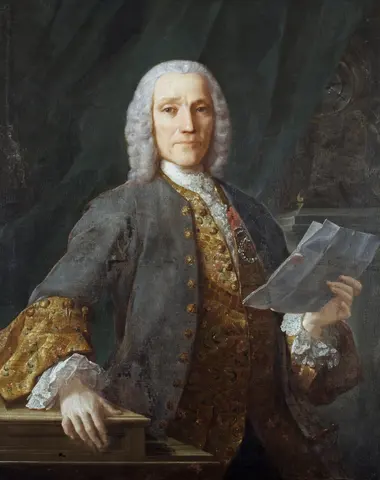
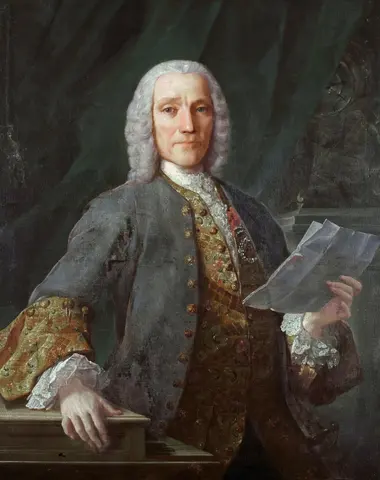
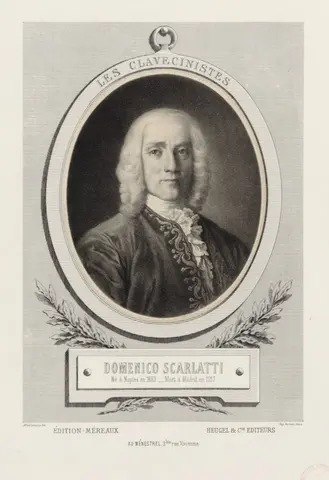
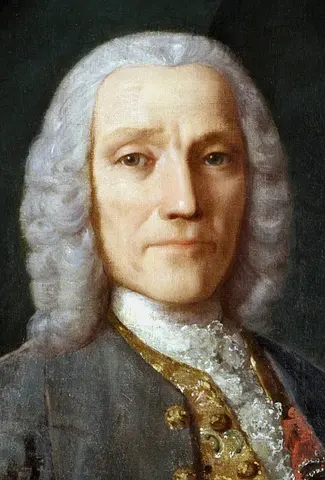
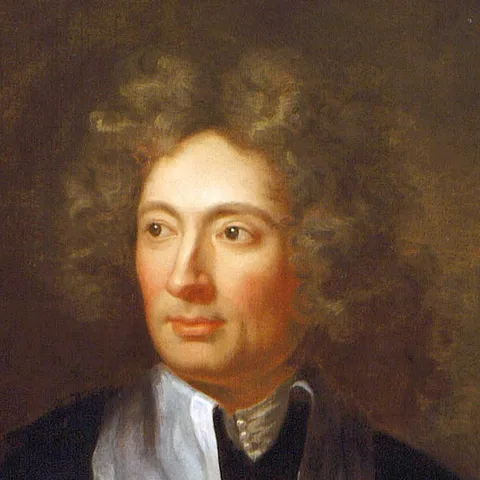
— Domenico Scarlatti(「チェンバロ練習曲集」(1738年ごろ)の序文) 肖像画・写真・自筆譜 Gallery (Public Domain)
Wikimedia Commons でパブリックドメイン(または CC0)と確認した画像です。クリックで拡大。
 年表 Timeline
 スカルラッティで覚える英単語 Words
 クイズに挑戦 Quiz
MORE COMPOSERS







 MP3