
ダイドーの嘆き
Dido's Lament
パーセル・by 1689
「わたしを覚えていて」。くり返す低音にのせた、胸をうつ別れの歌。
歌劇「ダイドーとエネアス」より「ダイドーの嘆き」のページへ
Piano · · 1888
エリック・サティ(1866–1925)
3つの中のまん中っ子。いちばん知られていない、ひそやかなジムノペディ。The quiet middle child of the three Gymnopédies.
PUBLIC DOMAIN RECORDING
PD / CC0 無料でダウンロードOK 別の演奏で聴く 1:Original Compostion : Erik Satie ;Arrangment and Kevin MacLeod
ANOTHER RECORDING 1
CC BY 3.0 別の演奏で聴く 2:Kevin MacLeodANOTHER RECORDING 2
CC BY 3.0WATCH ON YOUTUBE
 Erik SATIE - Gymnopedies 1, 2, 3 (60 min)
♫HQ Classical Music♫(YouTube) YouTube で開く ↗
Erik Satie - Gymnopédies & Gnossiennes
RX rx(YouTube) YouTube で開く ↗
左の音源は権利が切れた録音なのでダウンロードできます。右の動画は YouTube の公式の埋め込みで見るもので、ダウンロードはできません(動画の権利は各チャンネルにあります)。
 もっと名演を観る YouTube で何百万回も再生された人気の演奏
Erik Satie - Gymnopédie No.2
DistantMirrors(YouTube) YouTube で開く ↗
Erik Satie Gymnopédies & Gnossiennes Romantic Piano Collection
Soft Keys Ambient(YouTube) YouTube で開く ↗
Gymnopédie No. 2
Erik Satie - Topic(YouTube) YouTube で開く ↗

ホー!第2番だけは、ドビュッシーがオーケストラ用に編曲しなかったんだ。
 この曲のおはなし The Story
「ジムノペディ第2番」は、サティが1888年、21歳のときに書いた3つの『ジムノペディ』の2曲目です。3曲とも、ゆったりした3拍子の伴奏の上に、静かなメロディーがぽつりぽつりと歌う、よく似たつくりをしています。第2番には「ゆっくりと、悲しげに」という指示があり、第1番よりも少しかげりのあるひびきです。Gymnopédie No. 2 is the second of the three Gymnopédies that Satie wrote in 1888, when he was 21. All three share a similar design: a quiet melody sings a few notes at a time over a slow accompaniment in three. No. 2 is marked 'slow and sad,' and it sounds a little more shadowy than No. 1.
このころのサティは、パリのモンマルトルにあった有名な芸術酒場「黒猫(シャ・ノワール)」でピアノを弾いていました。にぎやかな酒場で働きながら、こんなに静かで、何も起こらないような音楽を書いていたのです。華やかな技巧や大きな盛り上がりをわざと捨てた書き方は、当時としてはとても変わっていました。At this time, Satie was playing piano at Le Chat Noir (The Black Cat), a famous artists' cabaret in Montmartre, Paris. While working in a noisy bar, he was writing music this quiet, in which almost nothing seems to happen. Deliberately giving up showy technique and big climaxes was very unusual at the time.
第1番と第3番は1888年に出版されましたが、第2番の出版は1895年まで遅れました。のちにドビュッシーは第1番と第3番だけをオーケストラ用に編曲しました。これも、第2番を耳にする機会が比較的少ない理由の1つかもしれません。でも1968年には、アメリカのロックバンドがこの曲を取り入れたアレンジを録音しています。Nos. 1 and 3 were published in 1888, but No. 2 was not published until 1895. Later, Debussy orchestrated only Nos. 1 and 3, which may be one reason No. 2 is heard less often. But in 1968, an American rock band recorded an arrangement that used this piece.
Satie wrote three Gymnopédies. This is the second one. It is slow, quiet and a little sad. The three pieces sound very similar. This one is not as famous as No. 1, but it is beautiful too.サティはジムノペディを3曲書きました。これは2曲目です。ゆっくりで、静かで、少し悲しげです。3曲はとてもよく似ています。この曲は第1番ほど有名ではありませんが、とても美しい曲です。
 聴きどころ Listening Guide
 えっ!?ネタ Surprising Facts
 タップすると答えが開きます
友人のドビュッシーは、『ジムノペディ』の第1番と第3番をオーケストラ用に編曲しました。でも第2番は編曲しませんでした。なぜ第2番を選ばなかったのか、はっきりした理由はわかっていません。このことも、第2番がほかの2曲より演奏される機会が少ない理由の1つかもしれません。
Satie's friend Debussy orchestrated Gymnopédies Nos. 1 and 3, but not No. 2. Nobody knows for sure why he left it out. This may be one reason No. 2 is played less often than the other two.
第1番と第3番は作曲した1888年のうちに出版されました。ところが第2番が出版されたのは1895年。なんと7年も遅れました。3曲セットの『ジムノペディ』ですが、世に出たタイミングはばらばらだったのです。
Nos. 1 and 3 were published in 1888, the year they were written. But No. 2 did not come out until 1895, seven years later. The Gymnopédies are a set of three, but they reached the world at different times.
1968年、アメリカのロックバンド、ブラッド・スウェット・アンド・ティアーズは、『ジムノペディ』の第1番と第2番をもとにしたアレンジをアルバムに入れました。このアルバムは1970年のグラミー賞で最優秀アルバム賞にかがやいています。80年前のピアノ曲が、ロックの世界でもよみがえったのです。
In 1968, the American rock band Blood, Sweat & Tears put an arrangement based on Gymnopédies Nos. 1 and 2 on their album. That album won Album of the Year at the 1970 Grammy Awards. An 80-year-old piano piece came back to life in the world of rock.
サティはパリ音楽院で学びましたが、成績はふるいませんでした。ピアノの先生から「音楽院でいちばんなまけ者の生徒」と言われたと伝えられています。そんなサティが、やがて世界中で愛される静かなピアノ曲を生み出すのですから、人生はわからないものです。
Satie studied at the Paris Conservatoire, but his grades were poor. His piano teacher is said to have called him 'the laziest student in the Conservatoire.' Yet that same Satie went on to write quiet piano music loved all over the world. Life is full of surprises.
ENGLISH × MASTERPIECE
 1つのさやに入った豆のようにそっくり。ふつうは2人や2つを指して使います。
 この曲で覚える英単語 Words
 クイズに挑戦 Quiz
 この録音について(著作権・出典) Credits
MORE MASTERPIECES
パーセル・by 1689
「わたしを覚えていて」。くり返す低音にのせた、胸をうつ別れの歌。
歌劇「ダイドーとエネアス」より「ダイドーの嘆き」のページへ
パッヘルベル・c. 1680–1706
同じ8つの音が28回!なのに聴くたび胸がいっぱいになる曲。
カノンとジーグ ニ長調 より「カノン」のページへ
バッハ・c. 1703–1707 (?)
音楽の授業でおなじみ!4つの声が同じテーマで追いかけっこ。
小フーガ ト短調のページへ
ヘンデル・1711
「泣かせてください」と歌う、深い悲しみに満ちた名アリア。
私を泣かせてください(歌劇『リナルド』より)のページへバッハ・1713
2本のリコーダーがやさしく鳴る、のどかな牧場の歌。
カンタータ第208番より「羊は安らかに草を食み」のページへ
コレッリ・published 1714
聖なる夜のために。最後に羊飼いの笛のようなパストラーレが流れます。
合奏協奏曲 ト短調「クリスマス協奏曲」のページへ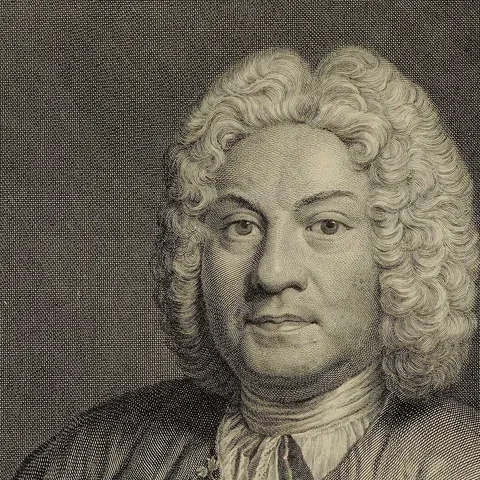
クープラン・published 1717
題名の意味はだれも知らない!やわらかく波打つ、なぞの名曲。
神秘的なバリケードのページへ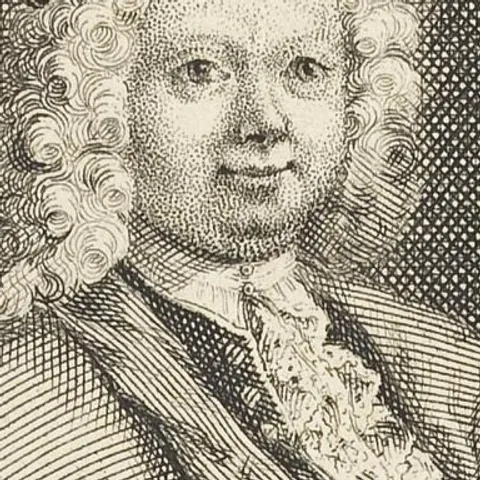
マルチェッロ・published c. 1717
胸にしみるアダージョ!バッハも編曲したオーボエの名曲。
オーボエ協奏曲 ニ短調のページへ
 MP3