
ダイドーの嘆き
Dido's Lament
パーセル・by 1689
「わたしを覚えていて」。くり返す低音にのせた、胸をうつ別れの歌。
歌劇「ダイドーとエネアス」より「ダイドーの嘆き」のページへ
Song · Op. 34 No. 14 · 1915
セルゲイ・ラフマニノフ(1873–1943)
歌詞のない歌。ことばの代わりに、声だけで心を伝える。A song with no words: only the voice tells the feeling.
PUBLIC DOMAIN RECORDING
CC BY-SA 2.0 無料でダウンロードOKWATCH ON YOUTUBE
 Daniil Trifonov – Rachmaninov: Vocalise, Op. 34 No. 14 (Extended Version, Arr. Trifonov)
Deutsche Grammophon - DG(YouTube) YouTube で開く ↗
Bruno de Sá sings Rachmaninoff: Vocalise
Warner Classics(YouTube) YouTube で開く ↗
左の音源は権利が切れた録音なのでダウンロードできます。右の動画は YouTube の公式の埋め込みで見るもので、ダウンロードはできません(動画の権利は各チャンネルにあります)。
 もっと名演を観る YouTube で何百万回も再生された人気の演奏
HAUSER - Vocalise (Rachmaninoff)
HAUSER(YouTube) YouTube で開く ↗
Itzhak Perlman-Rachmaninoff's Vocalise
wmd10(YouTube) YouTube で開く ↗
Anna Moffo: Rachmaninoff, 'Vocalise' Op. 34 No.14
Thewisemonkey9(YouTube) YouTube で開く ↗
Yuja Wang plays Rachmaninoff : Vocalise
MrOsomatsu(YouTube) YouTube で開く ↗

ホー!この歌には歌詞がないんだ。歌手は「アー」など母音ひとつで歌うよ。
 この曲のおはなし The Story
ラフマニノフが1915年に書いた歌曲です。1912年に作った13の歌曲に第14曲として加えられ、『14の歌曲』作品34の最後の曲になりました。高い声の歌手とピアノのための作品です。ふつうの歌とちがって歌詞がなく、歌手は母音ひとつだけで、長く息の続く美しいメロディーを歌います。ことばがないからこそ、聴く人それぞれの思いが重なる歌です。Rachmaninoff wrote this song in 1915 and added it to thirteen songs he had written in 1912. It became the last of his Fourteen Songs, Op. 34, and is written for high voice and piano. Unlike most songs, it has no words. The singer uses just one vowel sound to sing a long, flowing, beautiful melody. Because there are no words, each listener can bring their own feelings to it.
ヴォカリーズとは、もともと歌の練習のために、ことばをつけずに声を出して歌う曲のことです。ラフマニノフは、この曲をロシアの有名なソプラノ歌手アントニーナ・ネジダーノワにささげました。歌詞がないことをたずねられた作曲者は、声と表現がすべてを伝えるのだから、ことばはいらないと答えたと言われています。A vocalise is originally a singing exercise without words. Rachmaninoff dedicated this piece to the famous Russian soprano Antonina Nezhdanova. When she asked why there were no words, he is said to have answered that her voice and expression would say everything, so no words were needed.
このメロディーはあまりに美しかったため、作曲者自身がオーケストラ版を作り、さらにチェロ、バイオリン、フルートなど、あらゆる楽器のための編曲が生まれました。今では、歌よりも楽器で演奏されることのほうが多いのでは、と思えるほど、世界中で愛されています。The melody was so beautiful that the composer himself made a version for orchestra. Since then, there have been arrangements for cello, violin, flute, and almost every other instrument. Today it is so loved around the world that you may hear it played on instruments even more often than sung.
This is a song with no words. The singer sings only one sound, like 'ah.' The melody is long, slow, and beautiful. Many people play it on the cello or violin, too.これは歌詞のない歌です。歌手は「アー」のような音ひとつだけで歌います。メロディーは長く、ゆっくりで、美しいです。チェロやバイオリンで演奏する人もたくさんいます。
 聴きどころ Listening Guide
 えっ!?ネタ Surprising Facts
 タップすると答えが開きます
ネジダーノワが「なぜ歌詞がないのですか」とたずねると、ラフマニノフは「あなたの声と表現があれば、ことば以上のことが伝わる」という意味の答えをしたと言われています。歌手への深い信頼がこもった、すてきな話です。
When Nezhdanova asked why the song had no words, Rachmaninoff is said to have replied that her voice and expression would say more than any words could. It is a lovely story about his trust in a singer.
『14の歌曲』作品34のうち、ほかの13曲にはロシアの詩がついています。最後の14曲目だけが、歌詞のないヴォカリーズです。ことばのある歌を13曲書いたあとに、ことばのない歌で曲集をしめくくったのです。
In the Fourteen Songs, Op. 34, the other 13 songs are set to Russian poems. Only the 14th, the last one, is a wordless vocalise. After 13 songs with words, Rachmaninoff closed the set with a song without any.
メロディーの中に、中世から伝わる「怒りの日(ディエス・イレ)」という聖歌のかけらが聞こえるという説もあります。ラフマニノフはこの聖歌のメロディーを、多くの作品で使ったことで知られています。
Some people say they can hear a fragment of the medieval chant 'Dies irae' in the melody. Rachmaninoff is well known for using this chant in many of his works.
この曲を書いた数年後の1917年、ロシアで革命が起こり、ラフマニノフは家族とともに国を出ました。その後はアメリカなどで暮らし、二度とロシアに戻ることはありませんでした。ヴォカリーズの切ないメロディーに、故郷への思いを重ねる人もいます。
A few years after he wrote this song, revolution broke out in Russia in 1917, and Rachmaninoff left the country with his family. He lived in America and elsewhere and never returned to Russia. Some listeners hear his longing for home in this sad melody.
ENGLISH × MASTERPIECE
 beyond words は「ことばにできないほど」。感動や美しさを強く表すときに使います。
 この曲で覚える英単語 Words
 クイズに挑戦 Quiz
 この録音について(著作権・出典) Credits
MORE MASTERPIECES
パーセル・by 1689
「わたしを覚えていて」。くり返す低音にのせた、胸をうつ別れの歌。
歌劇「ダイドーとエネアス」より「ダイドーの嘆き」のページへ
パッヘルベル・c. 1680–1706
同じ8つの音が28回!なのに聴くたび胸がいっぱいになる曲。
カノンとジーグ ニ長調 より「カノン」のページへ
バッハ・c. 1703–1707 (?)
音楽の授業でおなじみ!4つの声が同じテーマで追いかけっこ。
小フーガ ト短調のページへ
ヘンデル・1711
「泣かせてください」と歌う、深い悲しみに満ちた名アリア。
私を泣かせてください(歌劇『リナルド』より)のページへバッハ・1713
2本のリコーダーがやさしく鳴る、のどかな牧場の歌。
カンタータ第208番より「羊は安らかに草を食み」のページへ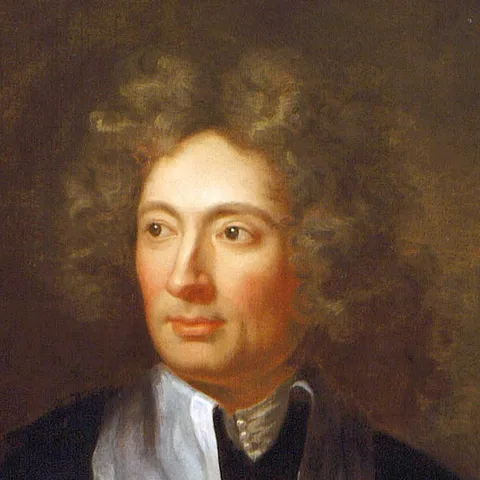
コレッリ・published 1714
聖なる夜のために。最後に羊飼いの笛のようなパストラーレが流れます。
合奏協奏曲 ト短調「クリスマス協奏曲」のページへ
クープラン・published 1717
題名の意味はだれも知らない!やわらかく波打つ、なぞの名曲。
神秘的なバリケードのページへ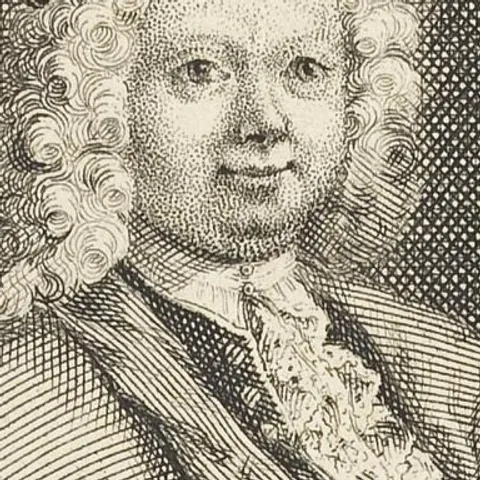
マルチェッロ・published c. 1717
胸にしみるアダージョ!バッハも編曲したオーボエの名曲。
オーボエ協奏曲 ニ短調のページへ
 MP3