
カノン
Canon in D
パッヘルベル・c. 1680–1706
同じ8つの音が28回!なのに聴くたび胸がいっぱいになる曲。
カノンとジーグ ニ長調 より「カノン」のページへ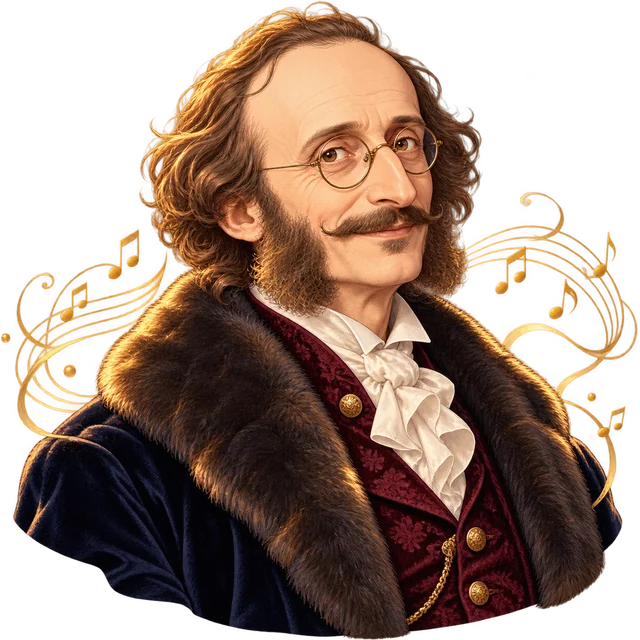
Opera · · 1881(初演)
ジャック・オッフェンバック(1819–1880)
ヴェネツィアの夜、ゴンドラがゆれる。夢のように美しい二重唱。A gondola rocks under the Venetian night sky.
PUBLIC DOMAIN RECORDING
PD / CC0 無料でダウンロードOK 別の演奏で聴く 1:Chopin
ANOTHER RECORDING 1
CC BY-SA 4.0WATCH ON YOUTUBE
 Anna Netrebko & Elīna Garanča – Offenbach: Les Contes d'Hoffmann: Barcarolle
Deutsche Grammophon - DG(YouTube) YouTube で開く ↗
Fatma Said, Marianne Crebassa – Offenbach: Barcarolle: Belle nuit ô nuit d’amour (Contes d'Hoffmann)
Warner Classics(YouTube) YouTube で開く ↗
左の音源は権利が切れた録音なのでダウンロードできます。右の動画は YouTube の公式の埋め込みで見るもので、ダウンロードはできません(動画の権利は各チャンネルにあります)。
 もっと名演を観る YouTube で何百万回も再生された人気の演奏
Vienna Philharmonic – Offenbach: Les Contes d'Hoffmann: Barcarolle (SNC 2020)
Sony Classical(YouTube) YouTube で開く ↗
Offenbach – Barcarolle from The Tales of Hoffmann, Belle nuit, ô nuit d’amour
Akademia Filmu i Telewizji(YouTube) YouTube で開く ↗
Jacques Offenbach - Barcarolle
Classical Music Only(YouTube) YouTube で開く ↗

ホー!作曲家はこのオペラの初演を見ることなく、亡くなってしまったんだ。
 この曲のおはなし The Story
「ホフマンの舟歌」は、オッフェンバックの歌劇『ホフマン物語』の中の、ヴェネツィアを舞台にした場面で歌われる二重唱です。「美しい夜、おお恋の夜」と、2人の女声がゆったりとゆれるメロディーを歌います。「舟歌(バルカロール)」は、ヴェネツィアのゴンドラこぎの歌に由来する、ゆれるリズムの曲のことです。The Barcarolle is a duet from the Venice scene of Offenbach's opera The Tales of Hoffmann. Two female voices sing a gently rocking melody that begins, "Beautiful night, oh night of love." A barcarolle is a piece with a swaying rhythm, based on the songs of Venetian gondoliers.
『天国と地獄』など明るいオペレッタで大人気だったオッフェンバックですが、晩年は本格的なオペラを書くことを夢見ていました。それが『ホフマン物語』です。ドイツの作家E.T.A.ホフマンの小説をもとに、詩人ホフマン自身が主人公となって、3つの恋の思い出を語っていく幻想的な物語です。Offenbach was very popular for cheerful operettas like Orpheus in the Underworld, but late in life he dreamed of writing a serious opera. That opera was The Tales of Hoffmann. Based on stories by the German writer E. T. A. Hoffmann, it is a fantastic tale in which the poet Hoffmann himself tells of three past loves.
ところがオッフェンバックは1880年10月、オペラを完成させる前に亡くなってしまいました。作曲家ギローがオーケストラの一部を仕上げるなどして上演できる形に整え、翌1881年2月にパリのオペラ・コミック座で初演され、大成功をおさめました。最終的な形が残されなかったため、今もいくつもの版があります。「舟歌」はオペラを離れても愛され、映画『ライフ・イズ・ビューティフル』でも印象的に使われています。But Offenbach died in October 1880, before he could finish the opera. The composer Ernest Guiraud prepared it for performance, completing some of the orchestration, and it was first performed at the Opéra-Comique in Paris in February 1881, with great success. Because Offenbach left no final version, the opera exists in several forms. The Barcarolle is loved on its own as well, and it is used in a memorable scene in the film Life Is Beautiful.
This is a slow and beautiful song. Two women sing it together. The song is about a lovely night in Venice. The music rocks like a small boat on the water. The composer died before the first show.これはゆっくりした美しい歌です。2人の女性がいっしょに歌います。ヴェネツィアのすてきな夜についての歌です。音楽は水の上の小舟のようにゆれます。作曲家は最初の上演の前に亡くなりました。
 聴きどころ Listening Guide
 えっ!?ネタ Surprising Facts
 タップすると答えが開きます
舟歌のメロディーは、オッフェンバックが1864年にウィーンで上演したオペラ『ラインの妖精』の中の曲を、作りかえて使ったものです。そのオペラはあまり成功しませんでしたが、メロディーは『ホフマン物語』で世界的な名曲に生まれ変わりました。
The melody of the Barcarolle was reused from Offenbach's earlier opera Die Rheinnixen (The Rhine Fairies), staged in Vienna in 1864. That opera was not very successful, but in The Tales of Hoffmann, the melody was reborn as a world-famous piece.
オッフェンバックは『ホフマン物語』の完成をめざしていましたが、1880年10月、初演の4か月ほど前に亡くなりました。生涯で100作近い舞台作品を書いた人が、いちばん思い入れのあった作品の成功を見られなかったのです。
Offenbach worked hard to finish The Tales of Hoffmann, but he died in October 1880, about four months before the premiere. He had written around a hundred stage works, yet he never saw the success of the one he cared about most.
作曲者が完成前に亡くなったため、『ホフマン物語』には決定版の楽譜がありません。場面の順番や曲の中身がちがう版がいくつもあり、のちに新しい楽譜の資料が見つかったこともあって、今も劇場ごとにちがう形で上演されています。
Because the composer died before finishing it, The Tales of Hoffmann has no single final version. There are several versions with different scene orders and music, and new manuscript material has been found over the years. Even today, each opera house may perform it differently.
イタリア映画『ライフ・イズ・ビューティフル』(1997年)では、オペラの劇場でこの舟歌が流れる場面があり、のちの物語の中でも大切な役割を果たします。映画を通してこの曲を知った人も多いでしょう。
In the Italian film Life Is Beautiful (1997), this Barcarolle is heard in a scene at the opera house, and it plays an important part later in the story. Many people first came to know the music through this film.
ENGLISH × MASTERPIECE
 野外で夜を過ごすときの決まった言い方。ロマンチックな場面によく使います。
 この曲で覚える英単語 Words
 クイズに挑戦 Quiz
 この録音について(著作権・出典) Credits
MORE MASTERPIECES
パッヘルベル・c. 1680–1706
同じ8つの音が28回!なのに聴くたび胸がいっぱいになる曲。
カノンとジーグ ニ長調 より「カノン」のページへ
ヘンデル・1711
「泣かせてください」と歌う、深い悲しみに満ちた名アリア。
私を泣かせてください(歌劇『リナルド』より)のページへ
バッハ・1713
2本のリコーダーがやさしく鳴る、のどかな牧場の歌。
カンタータ第208番より「羊は安らかに草を食み」のページへ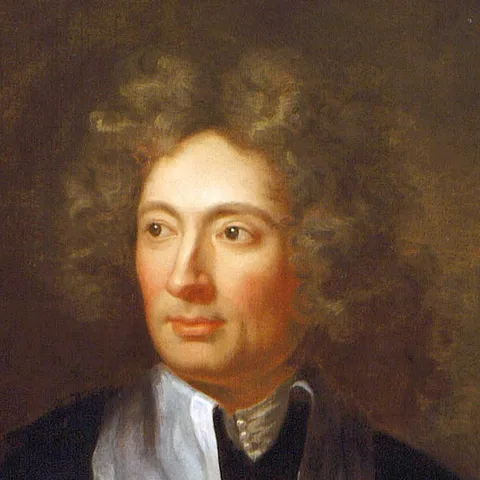
コレッリ・published 1714
聖なる夜のために。最後に羊飼いの笛のようなパストラーレが流れます。
合奏協奏曲 ト短調「クリスマス協奏曲」のページへヘンデル・1717
テムズ川の船の上で国王のために!夏の夜の水上コンサート。
水上の音楽のページへ
クープラン・published 1717
題名の意味はだれも知らない!やわらかく波打つ、なぞの名曲。
神秘的なバリケードのページへ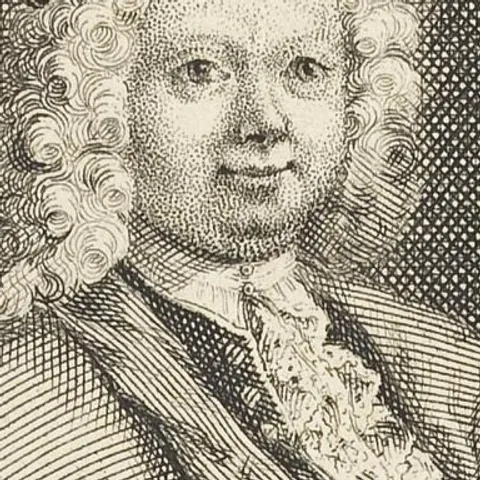
マルチェッロ・published c. 1717
胸にしみるアダージョ!バッハも編曲したオーボエの名曲。
オーボエ協奏曲 ニ短調のページへバッハ・c. 1720
チェロ1本だけで、こんなに豊かな世界が広がる!
無伴奏チェロ組曲 第1番 ト長調のページへ
 MP3