
ダイドーの嘆き
Dido's Lament
パーセル・by 1689
「わたしを覚えていて」。くり返す低音にのせた、胸をうつ別れの歌。
歌劇「ダイドーとエネアス」より「ダイドーの嘆き」のページへ
Concerto · K. 488 · 1786
ヴォルフガング・アマデウス・モーツァルト(1756–1791)
明るいイ長調の中に、ため息のような第2楽章。心にしみる協奏曲。Sunny A major, with a slow movement full of sighs.
PUBLIC DOMAIN RECORDING
CC BY 3.0 無料でダウンロードOKWATCH ON YOUTUBE
 Hélène Grimaud – Mozart: Piano Concerto No. 23: II. Adagio
Deutsche Grammophon - DG(YouTube) YouTube で開く ↗
Aristo Sham: 2025 Cliburn MOZART Piano Concerto No. 23 in A Major, K. 488
The Cliburn(YouTube) YouTube で開く ↗
左の音源は権利が切れた録音なのでダウンロードできます。右の動画は YouTube の公式の埋め込みで見るもので、ダウンロードはできません(動画の権利は各チャンネルにあります)。
 もっと名演を観る YouTube で何百万回も再生された人気の演奏
Mozart Concerto n. 23 in A major KV 488 | Su Yeon Kim - Queen Elisabeth Competition 2021
Queen Elisabeth Competition(YouTube) YouTube で開く ↗
Mozart - Piano Concerto No. 23 in A, K. 488 [complete]
Am4d3usM0z4rt(YouTube) YouTube で開く ↗
Mozart -Piano Concerto No 23 A major K 488, Maurizio Pollini, Karl Bohm
sarah m.(YouTube) YouTube で開く ↗
Mozart K.488 Piano Concerto #23 in A 2nd mov. Adagio
Kazuma(YouTube) YouTube で開く ↗

ホー!第1楽章のカデンツァは、モーツァルト自身が楽譜に書きこんでいるんだよ。
 この曲のおはなし The Story
ピアノ協奏曲第23番は、モーツァルトが1786年3月2日に完成した曲です。ちょうどオペラ「フィガロの結婚」を作曲していたころで、ウィーンでは自分の演奏会を開いて、ピアニストとしても活躍していました。オーケストラには、オーボエのかわりにクラリネットが入っていて、やわらかく温かい響きが全体をつつみます。明るいイ長調の、気品あふれる協奏曲です。Piano Concerto No. 23 was completed by Mozart on 2 March 1786. He was working on his opera The Marriage of Figaro at the time and was also giving his own concerts in Vienna as a pianist. In the orchestra, clarinets are used instead of oboes, so a soft, warm sound fills the whole piece. It is an elegant concerto in bright A major.
この曲で特に有名なのが第2楽章です。モーツァルトの作品で嬰ヘ短調という調で書かれたのは、この楽章だけと言われています。シチリアーナという、ゆったりゆれる舟歌のようなリズムにのって、まずピアノがひとりで、さびしげなメロディーを歌い出します。明るい第1楽章との対比が、胸にしみる楽章です。The most famous part of this concerto is the second movement. It is said to be Mozart's only movement in F-sharp minor. Over a gently rocking rhythm called a siciliana, the piano begins alone, singing a lonely melody. Its contrast with the bright first movement touches the heart.
協奏曲には、独奏者が1人で腕前を見せる「カデンツァ」という部分があります。即興で弾いたり、別の紙に書いたりすることが多かったのですが、この曲の第1楽章では、モーツァルトがカデンツァを本番の楽譜に書きこんでいます。第3楽章は、はじけるように速く楽しい音楽で、さびしさをふき飛ばして明るく終わります。Concertos have a section called a cadenza, where the soloist shows off alone. Cadenzas were often improvised or written on separate sheets, but in the first movement of this concerto, Mozart wrote the cadenza into the score itself. The third movement is fast and full of fun, blowing away the sadness and ending brightly.
This is a piece for piano and orchestra. The first part is bright and happy. The second part is slow and sad. The piano plays alone at first, like someone sighing. Then the last part is fast and fun again.これはピアノとオーケストラのための曲です。第1楽章は明るく楽しい音楽です。第2楽章はゆっくりで悲しい音楽です。はじめはピアノがひとりで、ため息をつくように弾きます。そして最後の楽章は、また速くて楽しい音楽になります。
 聴きどころ Listening Guide
 えっ!?ネタ Surprising Facts
 タップすると答えが開きます
モーツァルトは600曲以上の作品を残しましたが、嬰ヘ短調で書かれた楽章は、この協奏曲の第2楽章だけだと言われています。シャープが3つもつく、当時はあまり使われない調です。そのめずらしい調が、ほかのどの曲ともちがう、深いさびしさを生み出しています。
Mozart wrote more than 600 works, but this concerto's second movement is said to be his only movement in F-sharp minor. It is a key with three sharps that was rarely used then. That unusual key gives it a deep loneliness unlike any of his other music.
当時の協奏曲のカデンツァは、弾く人がその場で即興するか、別に書いたものを使うのがふつうでした。ところがこの曲の第1楽章では、モーツァルトがカデンツァを楽譜そのものに書きこんでいます。おかげで、今のピアニストもモーツァルト自身のカデンツァを弾くことができるのです。
In concertos of that time, the soloist usually improvised the cadenza or used one written separately. But in the first movement of this concerto, Mozart wrote the cadenza into the score itself. Thanks to that, pianists today can play Mozart's own cadenza.
モーツァルトはピアノ協奏曲を27曲書きましたが、オーケストラにクラリネットが入っているのは第22番・第23番・第24番の3曲だけです。どれも1785年から86年にかけて書かれました。この時期、モーツァルトはクラリネットの響きに夢中だったのかもしれません。
Mozart wrote 27 piano concertos, but only three, Nos. 22, 23 and 24, include clarinets in the orchestra. All of them were written in 1785 and 1786. Perhaps Mozart was in love with the sound of the clarinet at that time.
楽譜の紙を調べた研究によると、モーツァルトはこの協奏曲を1784年から85年ごろに書き始め、いったん中断していたと考えられています。そして「フィガロの結婚」を作曲していた1786年のはじめに、ついに完成させたのです。名曲にも、ひと休みの時期があったのですね。
Studies of the paper Mozart used suggest that he started this concerto around 1784 or 1785 and then put it aside. He finally finished it in early 1786, while he was working on The Marriage of Figaro. Even a masterpiece can take a break!
ENGLISH × MASTERPIECE
 その種類でたった1つ、ということ。とても特別な人や物をほめるときに使います。
 この曲で覚える英単語 Words
 クイズに挑戦 Quiz
 この録音について(著作権・出典) Credits
MORE MASTERPIECES
パーセル・by 1689
「わたしを覚えていて」。くり返す低音にのせた、胸をうつ別れの歌。
歌劇「ダイドーとエネアス」より「ダイドーの嘆き」のページへ
パッヘルベル・c. 1680–1706
同じ8つの音が28回!なのに聴くたび胸がいっぱいになる曲。
カノンとジーグ ニ長調 より「カノン」のページへ
ヘンデル・1711
「泣かせてください」と歌う、深い悲しみに満ちた名アリア。
私を泣かせてください(歌劇『リナルド』より)のページへ
バッハ・1713
2本のリコーダーがやさしく鳴る、のどかな牧場の歌。
カンタータ第208番より「羊は安らかに草を食み」のページへ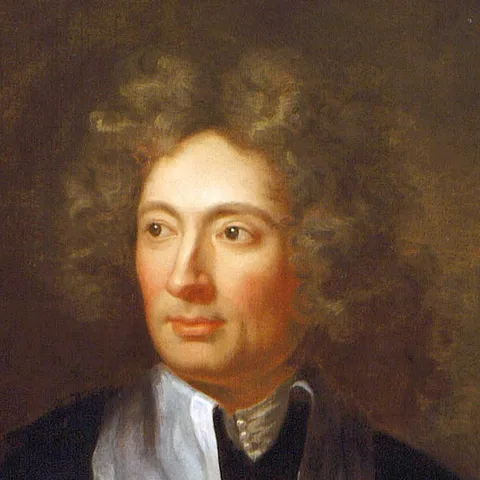
コレッリ・published 1714
聖なる夜のために。最後に羊飼いの笛のようなパストラーレが流れます。
合奏協奏曲 ト短調「クリスマス協奏曲」のページへ
クープラン・published 1717
題名の意味はだれも知らない!やわらかく波打つ、なぞの名曲。
神秘的なバリケードのページへ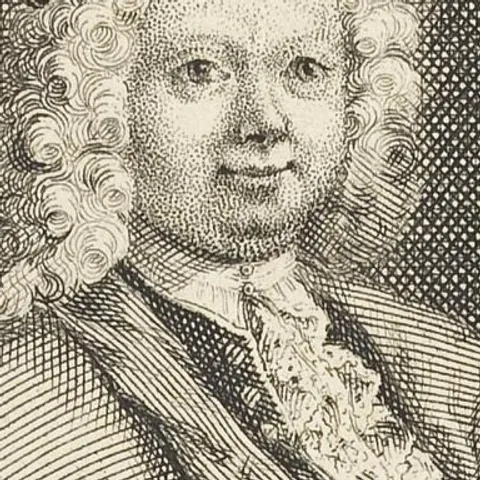
マルチェッロ・published c. 1717
胸にしみるアダージョ!バッハも編曲したオーボエの名曲。
オーボエ協奏曲 ニ短調のページへバッハ・c. 1720
チェロ1本だけで、こんなに豊かな世界が広がる!
無伴奏チェロ組曲 第1番 ト長調のページへ
 MP3