
パッヘルベルのジーグ
Pachelbel's Gigue
パッヘルベル・c. 1680–1706
あの「カノン」には、はずむ相棒がいた!知られざる後半戦。
カノンとジーグ ニ長調 より「ジーグ」のページへ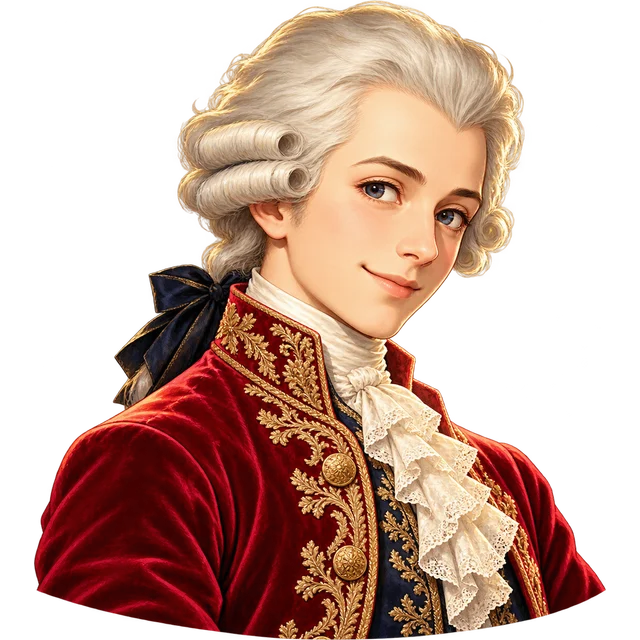
Song · K. 165 (158a) · 1773
ヴォルフガング・アマデウス・モーツァルト(1756–1791)
「アレルヤ」の一語だけで、声がコロコロ転がる喜びの歌!One word, Alleluia, sung in a sparkling shower of notes!
PUBLIC DOMAIN RECORDING
PD / CC0 無料でダウンロードOK 別の演奏で聴く 1:The Tudor Consort
ANOTHER RECORDING 1
CC BY 3.0WATCH ON YOUTUBE
 Mozart: Exsultate Jubilate, complete. Nola Richardson & Voices of Music, original instruments 8K
Voices of Music(YouTube) YouTube で開く ↗
Julia Lezhneva sings "Exsultate, jubilate" from Mozart's "Exsultate, jubilate, K165"
Decca Classics(YouTube) YouTube で開く ↗
左の音源は権利が切れた録音なのでダウンロードできます。右の動画は YouTube の公式の埋め込みで見るもので、ダウンロードはできません(動画の権利は各チャンネルにあります)。
 もっと名演を観る YouTube で何百万回も再生された人気の演奏
Regula Mühlemann: Exsultate Jubilate - W. A. Mozart
Regula Mühlemann(YouTube) YouTube で開く ↗
Alleluia (Exsultate, jubilate - Mozart) | boy soprano Aksel Rykkvin (13y) & KORK
Aksel Rykkvin(YouTube) YouTube で開く ↗
Renée Fleming sings Exsultate Jubilate (Mozart)
asdfopera(YouTube) YouTube で開く ↗
Cecilia Bartoli - Exsultate Jubilate - Alleluja
Gabba02(YouTube) YouTube で開く ↗

ホー!歌詞は「アレルヤ」の一語だけ。意味は「神をたたえよ」なんだよ。
 この曲のおはなし The Story
「アレルヤ」は、モーツァルトが16歳のときに書いた、独唱と管弦楽のための宗教曲「踊れ、喜べ、幸いな魂よ」(ラテン語で「エクスルターテ・ユビラーテ」)の最後の部分です。歌詞は、何度もくり返される「アレルヤ」という一語だけ。それを高い声が、速い音で軽やかに転がるように歌い上げる、晴れやかな曲です。The 'Alleluia' is the final section of Exsultate, jubilate, a sacred piece for solo voice and orchestra that Mozart wrote when he was sixteen. Its only word is 'Alleluia', sung again and again. A high voice sings it with quick, light runs of notes, like beads rolling across a table. It is a joyful, sunny piece.
この曲は、1773年1月にイタリアのミラノで書かれました。モーツァルトは前の年の12月、ミラノでオペラ『ルーチョ・シッラ』を初演していて、そのオペラで主役級を歌ったカストラート歌手ヴェナンツィオ・ラウッツィーニのためにこの曲を作りました。カストラートとは、少年のころの高い声のまま大人になった男性歌手のことで、その中には当時のオペラの大スターもいました。The piece was written in Milan, Italy, in January 1773. The month before, Mozart had premiered his opera Lucio Silla in Milan, and he wrote this work for Venanzio Rauzzini, the castrato singer who had sung a leading role in it. A castrato was a male singer who kept a high voice into adulthood, and some of them were the biggest opera stars of the time.
初演は1773年1月17日、ミラノの教会で行われました。全体は4つの部分でできていて、最後の「アレルヤ」が特に有名になり、この部分だけで歌われることもよくあります。今ではおもにソプラノ歌手が歌い、コンサートや録音で何度も取り上げられる、モーツァルトの声楽曲の中でも指折りの人気曲です。It was first performed in a church in Milan on January 17, 1773. The whole work has four sections, and the final 'Alleluia' became especially famous, so it is often sung on its own. Today it is usually sung by sopranos, and it is one of Mozart's most popular vocal works in concerts and recordings.
This is a happy song. The song uses only one word: Alleluia. Mozart wrote it in Italy when he was sixteen. A famous singer sang it first. Today, many sopranos love to sing it.これは楽しい歌です。歌詞は「アレルヤ」という一語だけです。モーツァルトは16歳のとき、イタリアでこの曲を書きました。有名な歌手が最初に歌いました。今では、多くのソプラノ歌手がこの曲を歌うのが大好きです。
 聴きどころ Listening Guide
 えっ!?ネタ Surprising Facts
 タップすると答えが開きます
今はソプラノ歌手が歌うことが多いですが、最初に歌ったのはカストラートのラウッツィーニという男性歌手でした。モーツァルトは、彼の声の高さや技の得意なところに合わせて、この曲を作ったと考えられています。
Today it is usually sung by sopranos, but the first singer was a man, the castrato Rauzzini. Mozart is thought to have shaped the music to fit the range and special skills of his voice.
「アレルヤ」の部分の歌詞は、くり返し歌われる「アレルヤ」の一語だけです。言葉の意味を伝えるより、声そのものを楽器のように使って、喜びをはじけさせるための曲なのです。歌手にとっては、息の長さと速い音の正確さがためされる難曲です。
The words of the 'Alleluia' are just one word, 'Alleluia', sung again and again. Rather than telling a story with words, the piece uses the voice like an instrument to burst with joy. For singers, it is a hard test of breath and fast, accurate notes.
この曲は教会のための宗教曲ですが、速い音の動きやはなやかな見せ場は、まるでオペラのアリアのようです。オペラ『ルーチョ・シッラ』の上演を終えたばかりの16歳のモーツァルトの、ノリノリの気分がそのまま伝わってくるようです。
It is a sacred piece for church, but its fast runs and showy moments sound just like an opera aria. You can almost feel the excitement of the sixteen-year-old Mozart, who had just finished presenting his opera Lucio Silla.
曲全体は、速い歌・短い語りの部分(レチタティーヴォ)・ゆっくりした歌・そして「アレルヤ」の4部分でできています。最後の「アレルヤ」があまりにも有名なので、この部分だけ独立して歌われることがとても多いのです。
The whole work has four parts: a fast aria, a short sung speech called a recitative, a slow aria, and finally the 'Alleluia'. The last part is so famous that it is very often sung by itself.
ENGLISH × MASTERPIECE
 長い説明をまとめて、ひとことで言うときに使います。文の最初によく置きます。
 この曲で覚える英単語 Words
 クイズに挑戦 Quiz
 この録音について(著作権・出典) Credits
MORE MASTERPIECES
パッヘルベル・c. 1680–1706
あの「カノン」には、はずむ相棒がいた!知られざる後半戦。
カノンとジーグ ニ長調 より「ジーグ」のページへシャルパンティエ・c. 1688–1698
パンパカパーン!ヨーロッパのテレビの幕開けを飾ってきた、ごうかな前奏曲。
テ・デウム ニ長調のページへクラーク・c. 1700
結婚式の大定番。でも作曲者は長いあいだ取りちがえられていた!
トランペット・ヴォランタリー(デンマーク王子の行進)のページへ
バッハ・c. 1707–1710 (?)
キラキラの駆け上がりで幕開け!若きバッハのはなやかな鍵盤ショー。
トッカータ ニ長調のページへ
ヴィヴァルディ・published 1711
2本のヴァイオリンが火花を散らす!バッハも編曲した熱い協奏曲。
協奏曲集『調和の霊感』第8番 イ短調(2つのヴァイオリンのための協奏曲)のページへ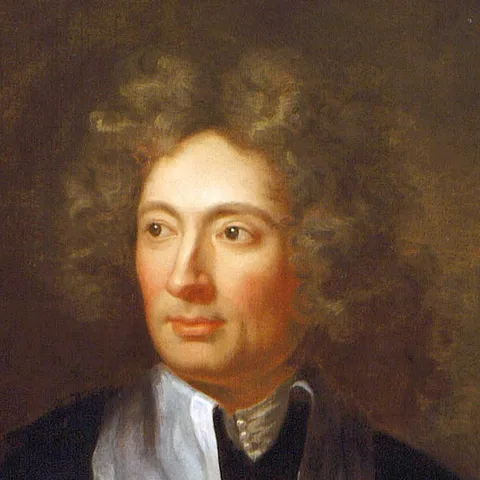
コレッリ・published 1714
聖なる夜のために。最後に羊飼いの笛のようなパストラーレが流れます。
合奏協奏曲 ト短調「クリスマス協奏曲」のページへヴィヴァルディ・c. 1715
オクターブがぴょんぴょん跳ねる!喜びがはじける合唱の名曲。
グローリア ニ長調のページへ
テレマン・c. 1710–1720 (?)
バルブのないラッパで高音をきらり!バロックのトランペットの晴れ舞台。
トランペット協奏曲 ニ長調のページへ
 MP3