
ダイドーの嘆き
Dido's Lament
パーセル・by 1689
「わたしを覚えていて」。くり返す低音にのせた、胸をうつ別れの歌。
歌劇「ダイドーとエネアス」より「ダイドーの嘆き」のページへ
Symphony · Op. 56 · 1829–1842
フェリックス・メンデルスゾーン(1809–1847)
霧のお城で生まれたアイデアが、13年かけて交響曲に。An idea born in a misty ruined chapel, finished 13 years later.
PUBLIC DOMAIN RECORDING
PD / CC0 無料でダウンロードOK
 別の演奏で聴く 1:Felix Mendelssohn
ANOTHER RECORDING 1
PD / CC0WATCH ON YOUTUBE
 Mendelssohn - Symphony No. 3 in A minor, Op. 56 (Scottish) Kurt Masur, Gewandhausorchestra
EuroArtsChannel(YouTube) YouTube で開く ↗
The incredible Klaus Mäkelä conducts Mendelssohn's Symphony No. 3 "Scottish"
medici.tv(YouTube) YouTube で開く ↗
左の音源は権利が切れた録音なのでダウンロードできます。右の動画は YouTube の公式の埋め込みで見るもので、ダウンロードはできません(動画の権利は各チャンネルにあります)。
 もっと名演を観る YouTube で何百万回も再生された人気の演奏
Mendelssohn: 3. Sinfonie (»Schottische«) ∙ hr-Sinfonieorchester ∙ Andrés Orozco-Estrada
hr-Sinfonieorchester – Frankfurt Radio Symphony(YouTube) YouTube で開く ↗
Mendelssohn: Symphony No. 3 "Scottish" - Rumon Gamba - Orquesta Sinfónica de Galicia
SinfonicadeGalicia(YouTube) YouTube で開く ↗

ホー!最初のアイデアから完成まで、なんと13年もかかったんだ。
 この曲のおはなし The Story
メンデルスゾーンが、スコットランド旅行で受けた印象をもとに書いた交響曲です。霧につつまれたような、ほの暗く静かな始まりから、嵐のような盛り上がり、陽気な踊り、そして力強い最後まで、4つの楽章が続けて演奏されます。全体に、北の国の霧や風、海の気配がただよっています。Mendelssohn based this symphony on his impressions of a trip to Scotland. It moves from a dim, misty opening to stormy passages, a lively dance, and a powerful ending. Its four movements are played without breaks. Throughout, you can feel the mist, wind and sea of a northern land.
1829年夏、20歳のメンデルスゾーンはエディンバラのホリールード宮殿を訪れました。そこはスコットランド女王メアリーゆかりの場所で、屋根の落ちた礼拝堂の廃墟がありました。彼は家族への手紙に、この礼拝堂で「スコットランド交響曲」の始まりを見つけた、と書き、メロディーを書きとめています。In the summer of 1829, the 20-year-old Mendelssohn visited Holyrood Palace in Edinburgh, a place linked to Mary, Queen of Scots. There he saw the roofless ruins of a chapel. In a letter to his family, he wrote that he had found the beginning of his Scottish Symphony in that old chapel, and he jotted down the opening tune.
ところが作曲はなかなか進まず、完成したのは13年後の1842年でした。同じ年の3月にライプツィヒで初演され、のちにイギリスのヴィクトリア女王にささげられました。番号は「第3番」ですが、メンデルスゾーンが完成させた最後の交響曲です。番号の順番と作曲の順番がちがうのです。But the work went slowly, and he did not finish it until 1842, thirteen years later. It was premiered in Leipzig that March and later dedicated to Queen Victoria. Though it is called No. 3, it was the last symphony Mendelssohn completed. The numbers do not match the order in which they were written.
Mendelssohn visited Scotland when he was 20. He saw an old broken chapel. He wrote down a tune there. But he finished this symphony 13 years later! The music sounds like mist, wind and the sea.メンデルスゾーンは20歳のとき、スコットランドを訪れました。彼は古くてこわれた礼拝堂を見ました。そこでメロディーを書きとめました。でも、この交響曲を完成させたのは13年後でした!音楽は霧や風や海のように聞こえます。
 聴きどころ Listening Guide
 えっ!?ネタ Surprising Facts
 タップすると答えが開きます
1829年7月30日、メンデルスゾーンはエディンバラから家族へ手紙を書き、女王メアリーゆかりのホリールード宮殿の、屋根のない礼拝堂の様子を伝えました。そして「今日あの古い礼拝堂でスコットランド交響曲の始まりを見つけたと思う」と書き、楽譜をそえています。
On July 30, 1829, Mendelssohn wrote home from Edinburgh about the roofless chapel at Holyrood Palace, linked to Mary, Queen of Scots. He wrote that he believed he had found the beginning of his Scottish Symphony there, and added a few bars of music.
1842年、メンデルスゾーンはバッキンガム宮殿でヴィクトリア女王とアルバート公に会いました。女王が彼の歌曲「イタリア」を歌ったところ、彼はそれが姉ファニーの作品だと打ち明けたと、自分の手紙に書いています。当時は女性の名前で出版しにくかったのです。
In 1842, Mendelssohn met Queen Victoria and Prince Albert at Buckingham Palace. When the queen sang his song Italien, he confessed it had actually been written by his sister Fanny, as he described in a letter. In those days it was hard for women to publish under their own names.
メンデルスゾーンは、この交響曲の4つの楽章を、間をあけずに続けて演奏するよう指示しました。拍手で流れが切れないように、1つの大きな物語として聴いてほしかったのでしょう。当時としては新しい考え方でした。
Mendelssohn asked that the four movements be played without pauses. He probably wanted listeners to hear it as one big story, without applause breaking the flow. That was a fresh idea at the time.
番号は出版された順番で付いているため、「第3番」なのに、メンデルスゾーンが完成させた交響曲の中ではいちばん最後の作品です。「第4番 イタリア」のほうが、先に書かれて初演されていました。
The numbers follow the order of publication, so No. 3 is actually the last symphony Mendelssohn completed. The Italian Symphony, No. 4, was written and performed earlier.
ENGLISH × MASTERPIECE
 遅れても、まったくしないよりはずっといい、ということわざ。
 この曲で覚える英単語 Words
 クイズに挑戦 Quiz
 この録音について(著作権・出典) Credits
MORE MASTERPIECES
パーセル・by 1689
「わたしを覚えていて」。くり返す低音にのせた、胸をうつ別れの歌。
歌劇「ダイドーとエネアス」より「ダイドーの嘆き」のページへパーセル・1695
ブリテンが「オーケストラ入門」のテーマに選んだ、かっこいいメロディー。
劇音楽「アブデラザール」より ロンドのページへ
バッハ・c. 1704 (?)
タラリ〜!一度聴いたら忘れない、オルガンの大迫力の幕開け。
トッカータとフーガ ニ短調のページへバッハ・c. 1703–1707 (?)
音楽の授業でおなじみ!4つの声が同じテーマで追いかけっこ。
小フーガ ト短調のページへバッハ・c. 1706–1713
足が弾く低いテーマが21回!重くて壮大な、オルガンの大建築。
パッサカリアとフーガ ハ短調のページへバッハ・c. 1707–1710 (?)
キラキラの駆け上がりで幕開け!若きバッハのはなやかな鍵盤ショー。
トッカータ ニ長調のページへ
ヴィヴァルディ・published 1711
2本のヴァイオリンが火花を散らす!バッハも編曲した熱い協奏曲。
協奏曲集『調和の霊感』第8番 イ短調(2つのヴァイオリンのための協奏曲)のページへ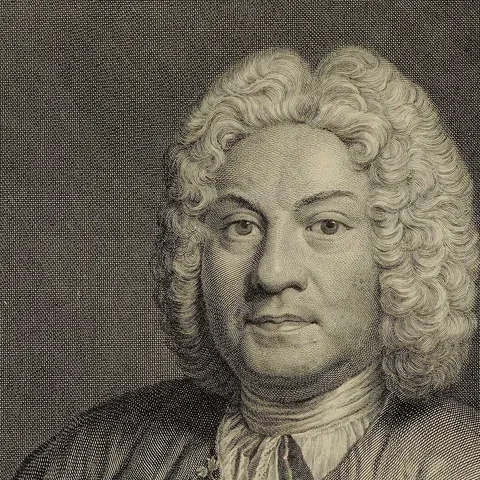
クープラン・published 1717
題名の意味はだれも知らない!やわらかく波打つ、なぞの名曲。
神秘的なバリケードのページへ MP3