
ダイドーの嘆き
Dido's Lament
パーセル・by 1689
「わたしを覚えていて」。くり返す低音にのせた、胸をうつ別れの歌。
歌劇「ダイドーとエネアス」より「ダイドーの嘆き」のページへ
Chamber · Op. 80 · 1847
フェリックス・メンデルスゾーン(1809–1847)
最愛の姉を失った悲しみが、そのまま音になった最後の大作。Grief for a beloved sister, turned straight into sound.
PUBLIC DOMAIN RECORDING
PD / CC0 無料でダウンロードOK
 別の演奏で聴く 1:Musopen String Quartet
ANOTHER RECORDING 1
PD / CC0WATCH ON YOUTUBE
 Mendelssohn: String Quartet No. 6 op. 80 · Karajan-Academy of the Berliner Philharmoniker
Karajan-Akademie der Berliner Philharmoniker(YouTube) YouTube で開く ↗
Aris Quartett - Mendelssohn: String Quartet No. 6 in F Minor: I. Allegro vivace assai – Presto
Deutsche Grammophon - DG(YouTube) YouTube で開く ↗
左の音源は権利が切れた録音なのでダウンロードできます。右の動画は YouTube の公式の埋め込みで見るもので、ダウンロードはできません(動画の権利は各チャンネルにあります)。

ホー!メンデルスゾーンは、この曲を書いた年に38歳で亡くなってしまったんだ。
 この曲のおはなし The Story
弦楽四重奏曲第6番は、メンデルスゾーンが1847年に書いた、ヴァイオリン2・ヴィオラ・チェロのための曲です。よく知られた明るく上品な作品とくらべると、激しい悲しみと不安が前面に出た曲です。第3楽章には静かな部分もありますが、ほかの楽章では、ふるえるような音や胸をしめつけるような強い響きが続きます。彼が完成させた最後の大きな作品のひとつになりました。String Quartet No. 6 is a piece for two violins, viola and cello that Mendelssohn wrote in 1847. Compared with much of his best-known bright and graceful music, it brings fierce grief and restlessness to the front. The third movement gives a calmer break, but the other movements are filled with trembling figures and harsh, painful chords. It became one of the last major works he completed.
この年の5月14日、メンデルスゾーンの姉ファニーが突然亡くなりました。ファニーもすぐれたピアニスト・作曲家で、弟にとって、とても身近な音楽の相談相手でした。大きなショックを受けたメンデルスゾーンは、その夏をスイスで過ごしながら、この四重奏曲を書きました。そのため、この曲はのちの人々から「ファニーへのレクイエム(死者の安らぎを祈る曲)」とよばれることがあります。On 14 May that year, his sister Fanny died suddenly. Fanny was also a fine pianist and composer, and she was one of his closest musical advisers. Deeply shaken, Mendelssohn spent the summer in Switzerland, where he wrote this quartet. For this reason, later writers have sometimes called it a 'Requiem for Fanny'.
1847年10月5日、友人のピアニスト、モシェレスの前で内輪の演奏が行われました。しかしその1か月後の11月4日、メンデルスゾーン自身も38歳の若さで亡くなってしまいます。公開の初演は、彼の死からちょうど1年後の1848年11月4日、ライプツィヒで行われ、若いヴァイオリニストのヨアヒムも演奏に加わりました。出版は1850年です。A private performance took place on 5 October 1847, in front of his friend, the pianist Ignaz Moscheles. Only a month later, on 4 November, Mendelssohn himself died at just 38. The first public performance was given in Leipzig on 4 November 1848, exactly one year after his death, with the young violinist Joseph Joachim among the players. The quartet was published in 1850.
Mendelssohn had a big sister, Fanny. She was a great musician too. In 1847, she died suddenly. Mendelssohn was very sad, and he wrote this music. It is strong, dark and full of tears.メンデルスゾーンには、ファニーというお姉さんがいました。彼女もすばらしい音楽家でした。1847年、お姉さんは突然亡くなりました。メンデルスゾーンはとても悲しみ、この曲を書きました。力強く、暗く、涙でいっぱいの音楽です。
 聴きどころ Listening Guide
 えっ!?ネタ Surprising Facts
 タップすると答えが開きます
ファニーの死の知らせを受けたメンデルスゾーンは、叫び声をあげて気を失い、倒れてしまったと伝えられています。小さいころからいっしょに音楽を学び、作品を見せ合ってきた姉は、彼にとってかけがえのない存在でした。この曲の激しさは、その悲しみの深さをあらわしているようです。
When he heard of Fanny's death, Mendelssohn is said to have cried out and fainted. They had studied music together since childhood and always showed each other their work. The fierce sound of this quartet seems to reflect how deep his grief was.
ファニーの歌のいくつかは、当時、弟フェリックスの歌曲集の中に入れて出版されました。1842年、イギリスのヴィクトリア女王がメンデルスゾーンの前で、お気に入りの「彼の」歌を歌ったところ、彼は「じつはそれは姉の作品です」と打ち明けたと、自分の手紙に書いています。
Some of Fanny's songs were published inside Felix's own song collections. In 1842, Queen Victoria sang her favorite 'Mendelssohn' song for him, and he confessed that it was actually by his sister. He told this story himself in a letter.
ファニーは5月、フェリックスは11月。姉弟は同じ1847年に、どちらも脳卒中(脳の血管の病気)を起こして亡くなりました。ファニーは41歳、フェリックスは38歳でした。この四重奏曲は、姉を思う弟の、最後の大きな「心の手紙」のような作品です。
Fanny died in May and Felix in November. Both died after suffering strokes in the same year, 1847. Fanny was 41 and Felix was 38. This quartet is like a last, great letter from a brother to his sister.
公開の初演でヴァイオリンを弾いたヨアヒムは、このとき17歳。12歳のとき、ロンドンでメンデルスゾーンの指揮でベートーヴェンのヴァイオリン協奏曲を弾き、大成功した少年でした。のちにブラームスの親友となり、19世紀を代表するヴァイオリニストになります。
Joseph Joachim, who played violin at the public premiere, was 17. At the age of 12, he had played Beethoven's Violin Concerto in London with Mendelssohn conducting, to great success. He later became Brahms's close friend and one of the greatest violinists of the 19th century.
ENGLISH × MASTERPIECE
 強い気持ちや願いを、心の底からうったえること。フランス語の cri de cœur から来た表現です。
 この曲で覚える英単語 Words
 クイズに挑戦 Quiz
 この録音について(著作権・出典) Credits
MORE MASTERPIECES
パーセル・by 1689
「わたしを覚えていて」。くり返す低音にのせた、胸をうつ別れの歌。
歌劇「ダイドーとエネアス」より「ダイドーの嘆き」のページへパーセル・1695
ブリテンが「オーケストラ入門」のテーマに選んだ、かっこいいメロディー。
劇音楽「アブデラザール」より ロンドのページへ
バッハ・c. 1704 (?)
タラリ〜!一度聴いたら忘れない、オルガンの大迫力の幕開け。
トッカータとフーガ ニ短調のページへバッハ・c. 1706–1713
足が弾く低いテーマが21回!重くて壮大な、オルガンの大建築。
パッサカリアとフーガ ハ短調のページへ
ヘンデル・1711
「泣かせてください」と歌う、深い悲しみに満ちた名アリア。
私を泣かせてください(歌劇『リナルド』より)のページへ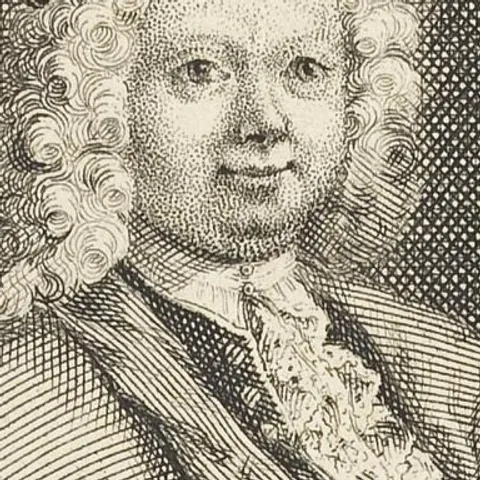
マルチェッロ・published c. 1717
胸にしみるアダージョ!バッハも編曲したオーボエの名曲。
オーボエ協奏曲 ニ短調のページへバッハ・c. 1720
ヴァイオリン1本で、宇宙のように大きな世界を描く傑作。
無伴奏ヴァイオリン・パルティータ第2番 ニ短調より「シャコンヌ」のページへ
テレマン・c. 1716–1721
いつもは脇役のヴィオラが主役に!知られている中で最古のヴィオラ協奏曲。
ヴィオラ協奏曲 ト長調のページへ MP3