
ダイドーの嘆き
Dido's Lament
パーセル・by 1689
「わたしを覚えていて」。くり返す低音にのせた、胸をうつ別れの歌。
歌劇「ダイドーとエネアス」より「ダイドーの嘆き」のページへ
Symphony · · 1901–1902
グスタフ・マーラー(1860–1911)
弦楽器とハープだけでつむぐ、愛の手紙と言われる音楽。Strings and harp alone weave music that many call a love letter.
PUBLIC DOMAIN RECORDING
PD / CC0 無料でダウンロードOK
WATCH ON YOUTUBE
 Mahler: Symphony No. 5: IV. Adagietto. Sehr langsam
Berliner Philharmoniker - Topic(YouTube) YouTube で開く ↗
Mahler: Symphony No. 5 (Adagietto) / Rattle · Berliner Philharmoniker
Berliner Philharmoniker(YouTube) YouTube で開く ↗
左の音源は権利が切れた録音なのでダウンロードできます。右の動画は YouTube の公式の埋め込みで見るもので、ダウンロードはできません(動画の権利は各チャンネルにあります)。
 もっと名演を観る YouTube で何百万回も再生された人気の演奏
Symphonic Gems: Mahler - Symphony No. 5 - IV. Adagietto | Concertgebouworkest
Concertgebouworkest(YouTube) YouTube で開く ↗
Mahler: 5. Sinfonie ∙ hr-Sinfonieorchester ∙ Andrés Orozco-Estrada
hr-Sinfonieorchester – Frankfurt Radio Symphony(YouTube) YouTube で開く ↗
Mahler: Adagietto Symphony 5 - Karajan*
greatclassicrecords(YouTube) YouTube で開く ↗
Mahler Symphony No. 5 - Adagietto
Kim Cl Deok 김클덕(YouTube) YouTube で開く ↗

ホー!大オーケストラの交響曲なのに、この楽章は弦とハープだけ。管楽器はお休みだよ。
 この曲のおはなし The Story
アダージェットは、オーストリアで活躍した作曲家・指揮者グスタフ・マーラーの交響曲第5番の第4楽章です。5つの楽章からなる大きな交響曲の中で、この楽章だけは弦楽器とハープだけで演奏されます。「アダージェット」は、ふつうは「アダージョ(ゆっくり)より少し速め」という意味ですが、マーラーはこの楽章に「とてもゆっくりと」と書いています。静かで甘く、どこか切ない音楽です。The Adagietto is the fourth movement of Symphony No. 5 by Gustav Mahler, a composer and conductor who worked in Vienna. The symphony has five large movements, but this one is played only by the strings and the harp. 'Adagietto' usually means a little faster than adagio, or slow, but Mahler marked this movement 'very slow'. The music is quiet, sweet, and a little sad.
マーラーは1901年から1902年にかけてこの交響曲を書きました。ちょうどこのころ、彼はアルマ・シンドラーと出会い、1902年に結婚しています。のちに指揮者メンゲルベルクは、この楽章はマーラーがアルマにあてた「愛の告白」で、手紙のかわりに楽譜を送ったのだと書き残しました。本当かどうかはわかりませんが、よく知られた話です。Mahler wrote this symphony in 1901 and 1902. Around this time, he met Alma Schindler, and they married in 1902. Later, the conductor Willem Mengelberg wrote that this movement was Mahler's declaration of love to Alma, and that he sent her the music instead of a letter. No one knows if this is true, but it is a famous story.
交響曲全体は1904年、ドイツのケルンでマーラー自身の指揮で初演されました。アダージェットは単独でも演奏されるようになり、1971年のヴィスコンティ監督の映画「ベニスに死す」で使われて、世界中に知られました。1968年にはバーンスタインが、ロバート・ケネディの葬儀でこの曲を指揮しています。The whole symphony was first performed in 1904 in Cologne, Germany, with Mahler himself conducting. The Adagietto came to be played on its own, too, and it became famous around the world after Luchino Visconti used it in his 1971 film Death in Venice. In 1968, Leonard Bernstein conducted it at the funeral of Robert Kennedy.
This music is one part of a long symphony. Only string instruments and a harp play it. It is slow and very beautiful. Some people say it is a love letter. The composer wrote it around the time he met his future wife.この音楽は、長い交響曲の一部です。弦楽器とハープだけが演奏します。ゆっくりで、とても美しい曲です。これはラブレターだと言う人もいます。作曲家は、のちに妻になる女性と出会ったころにこの曲を書きました。
 聴きどころ Listening Guide
 えっ!?ネタ Surprising Facts
 タップすると答えが開きます
指揮者メンゲルベルクは自分の楽譜に、この楽章はマーラーからアルマへの愛の告白で、手紙のかわりにこの楽譜を送ったと書きこみました。マーラーとアルマ本人から聞いた話だとされていますが、確かめる方法はなく、伝説として語られています。
The conductor Mengelberg wrote in his own score that this movement was Mahler's declaration of love to Alma, sent to her instead of a letter. He said he heard this from Mahler and Alma themselves, but there is no way to check it, so it is told as a legend.
1971年、イタリアの映画監督ルキノ・ヴィスコンティは、映画「ベニスに死す」の中でこのアダージェットをくり返し使いました。映画が話題になったことで、それまでマーラーを知らなかった人たちにもこの曲が広まり、マーラー人気が高まるきっかけのひとつになりました。
In 1971, the Italian director Luchino Visconti used the Adagietto again and again in his film Death in Venice. Thanks to the film, people who had never heard of Mahler came to know this music. It was one of the things that made Mahler more popular.
同じ楽譜なのに、7分台で流れるように進む録音もあれば、10分を大きくこえてじっくり歌う録音もあります。マーラーと親しかったメンゲルベルクやワルターの録音は、速めのテンポでした。どのテンポがふさわしいかは、今も議論が続いています。
With the same score, some recordings last just over seven minutes, and others take well over ten. Mengelberg and Bruno Walter, who both knew Mahler, recorded it at quite fast tempos. People still argue about which tempo is right.
1968年、ロバート・ケネディの葬儀で、レナード・バーンスタインがこのアダージェットを指揮しました。「愛の音楽」とも「祈りの音楽」とも受け取られるこの曲は、その後も、大切な人をしのぶ場で演奏されることがあります。
In 1968, Leonard Bernstein conducted the Adagietto at the funeral of Robert Kennedy. This music can be heard as a love song or as a prayer, and it is still sometimes played when people remember someone they have lost.
ENGLISH × MASTERPIECE
 「9番目の雲の上」にいるほど幸せ、という意味。由来には諸説あります。
 この曲で覚える英単語 Words
 クイズに挑戦 Quiz
 この録音について(著作権・出典) Credits
MORE MASTERPIECES
パーセル・by 1689
「わたしを覚えていて」。くり返す低音にのせた、胸をうつ別れの歌。
歌劇「ダイドーとエネアス」より「ダイドーの嘆き」のページへ
パッヘルベル・c. 1680–1706
同じ8つの音が28回!なのに聴くたび胸がいっぱいになる曲。
カノンとジーグ ニ長調 より「カノン」のページへ
バッハ・c. 1703–1707 (?)
音楽の授業でおなじみ!4つの声が同じテーマで追いかけっこ。
小フーガ ト短調のページへ
ヘンデル・1711
「泣かせてください」と歌う、深い悲しみに満ちた名アリア。
私を泣かせてください(歌劇『リナルド』より)のページへバッハ・1713
2本のリコーダーがやさしく鳴る、のどかな牧場の歌。
カンタータ第208番より「羊は安らかに草を食み」のページへ
コレッリ・published 1714
聖なる夜のために。最後に羊飼いの笛のようなパストラーレが流れます。
合奏協奏曲 ト短調「クリスマス協奏曲」のページへ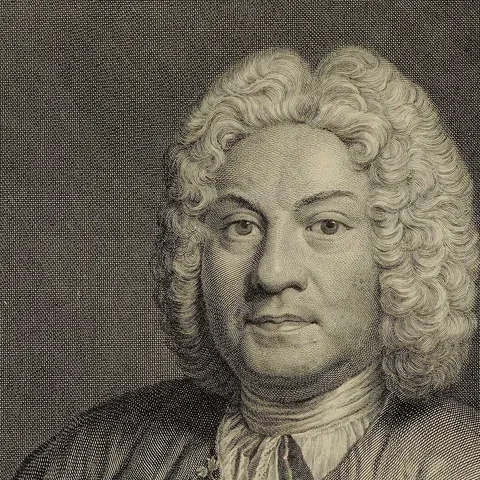
クープラン・published 1717
題名の意味はだれも知らない!やわらかく波打つ、なぞの名曲。
神秘的なバリケードのページへ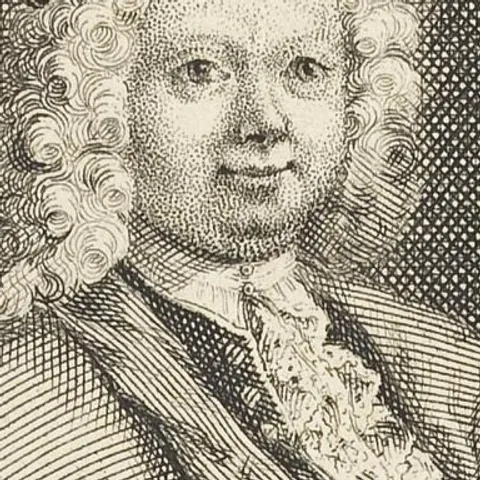
マルチェッロ・published c. 1717
胸にしみるアダージョ!バッハも編曲したオーボエの名曲。
オーボエ協奏曲 ニ短調のページへ MP3