
カノン
Canon in D
パッヘルベル・c. 1680–1706
同じ8つの音が28回!なのに聴くたび胸がいっぱいになる曲。
カノンとジーグ ニ長調 より「カノン」のページへ
Piano · S. 541 No. 3 · 1850
フランツ・リスト(1811–1886)
「愛せるかぎり愛しなさい」。歌から生まれた甘いメロディ。"Love as long as you can": a sweet melody born from a song.
PUBLIC DOMAIN RECORDING
CC BY-SA 2.0 無料でダウンロードOKWATCH ON YOUTUBE
 Liszt - Liebestraum No. 3 (Love Dream)
Rousseau(YouTube) YouTube で開く ↗
Yunchan Lim - Liszt: Liebestraum No.3 [Live]
Yunchan Lim(YouTube) YouTube で開く ↗
左の音源は権利が切れた録音なのでダウンロードできます。右の動画は YouTube の公式の埋め込みで見るもので、ダウンロードはできません(動画の権利は各チャンネルにあります)。
 もっと名演を観る YouTube で何百万回も再生された人気の演奏
Franz Liszt - Liebestraum - Love Dream
The Wicked North(YouTube) YouTube で開く ↗
Khatia Buniatishvili plays Liebestraum No. 3 from Franz Liszt | Verbier Festival 2011
DW Classical Music(YouTube) YouTube で開く ↗
Liszt – Liebestraum No.3 "Love Dream"
Kassia(YouTube) YouTube で開く ↗
Tiffany Poon (2018) - Liszt Liebestraum No.3
Tiffany Poon(YouTube) YouTube で開く ↗

ホー!もとは歌の曲。リストが歌声をそのままピアノに移したんだよ。
 この曲のおはなし The Story
フランツ・リストが1850年に出版したピアノ曲集「愛の夢」3曲の3番目です。真ん中の音域で歌われる甘いメロディを、まわりの音がやさしく包みこみます。リストのピアノ曲の中でも特に有名な1曲で、ロマンチックな音楽の代名詞のような存在です。ピアノの発表会でも人気の曲です。This is the third of three piano pieces called "Liebesträume" (Dreams of Love), which Franz Liszt published in 1850. A sweet melody sings in the middle of the keyboard, gently wrapped in flowing notes. It is one of Liszt's most famous piano pieces, and almost a symbol of romantic music. It is also a favorite at piano recitals.
「愛の夢」3曲は、もともとリストが書いた歌曲をピアノ用に書き直したものです。第3番のもとになった歌は、詩人フライリヒラートの「おお、愛せるかぎり愛しなさい」という詩につけられたもの。愛する人がいるうちに大切にしなさい、いつか別れの時が来るのだから、という内容です。All three "Liebesträume" were first songs by Liszt, which he rewrote for piano. No. 3 comes from a song on a poem by Ferdinand Freiligrath, "O love, as long as you can love." The poem says we should cherish the people we love while we can, because one day the time to part will come.
曲の途中には、指が鍵盤の上をかけめぐる華やかなカデンツァ(自由で技巧的なパッセージ)が2回出てきます。歌のような甘さと、リストらしい華やかさが同時に味わえるため、いまも世界中で愛され、たくさんの編曲もされています。メロディをよく歌わせることが、演奏のいちばんの鍵です。The piece contains two brilliant cadenzas, free and showy passages in which the fingers race across the keyboard. The piece offers both the sweetness of a song and Liszt's typical brilliance. It is still loved all over the world, and it has been arranged in many ways. Making the melody truly sing is the key to playing it.
This is a sweet and famous piano piece. It was first a song about love. The song says, "Love people while you can." The melody is played in the middle part of the keyboard. In two places, the fingers run very fast.これは甘く有名なピアノ曲です。もとは愛についての歌でした。その歌は「できるうちに人を愛しなさい」と言います。メロディはピアノのまん中の音で歌われます。2か所で、指がとても速く走ります。
 聴きどころ Listening Guide
 えっ!?ネタ Surprising Facts
 タップすると答えが開きます
「愛の夢」の3曲は、リストが作った歌曲をピアノ曲に編曲したものです。第1番と第2番はウーラントの詩、第3番はフライリヒラートの詩による歌がもとになっています。つまり、もとは歌詞のある歌だったのです。
The three "Liebesträume" are piano versions of songs Liszt wrote. Nos. 1 and 2 come from songs on poems by Ludwig Uhland, and No. 3 from a song on a poem by Ferdinand Freiligrath. In other words, they first had words.
第3番のもとの詩は、「愛せるかぎり愛しなさい」と呼びかけたあと、いつか愛する人のお墓の前で嘆く時が来る、と続きます。甘いメロディの裏には、命や別れへの深い思いがこめられているのです。
The poem behind No. 3 says, "Love as long as you can," and then warns that a time will come when you will stand at a grave and grieve. Under the sweet melody lies deep thought about life and parting.
最初のメロディは、ピアノの真ん中あたりの音域で歌われ、上と下の音で伴奏がつけられます。親指を中心にメロディを歌わせるため、両手で役割を分けあって弾く工夫が必要です。
At first, the melody sings in the middle of the keyboard, with accompaniment above and below it. Pianists often share the work between both hands, using their thumbs to make the melody sing.
リストは1840年代、ヨーロッパ中で演奏旅行を行い、熱狂的なファンを生みました。詩人ハイネはこの熱狂を「リストマニア」と呼びました。リストはこの曲集を出す少し前に、演奏旅行の生活をやめています。
In the 1840s, Liszt toured all over Europe and had wildly excited fans. The poet Heinrich Heine called this craze "Lisztomania." Liszt stopped his life of touring a little before this set was published.
ENGLISH × MASTERPIECE
 晴れているうちに干し草を作れ、から。チャンスは長く続かない、という教えのことわざです。
 この曲で覚える英単語 Words
 クイズに挑戦 Quiz
 この録音について(著作権・出典) Credits
MORE MASTERPIECES
パッヘルベル・c. 1680–1706
同じ8つの音が28回!なのに聴くたび胸がいっぱいになる曲。
カノンとジーグ ニ長調 より「カノン」のページへクラーク・c. 1700
結婚式の大定番。でも作曲者は長いあいだ取りちがえられていた!
トランペット・ヴォランタリー(デンマーク王子の行進)のページへ
ヘンデル・1711
「泣かせてください」と歌う、深い悲しみに満ちた名アリア。
私を泣かせてください(歌劇『リナルド』より)のページへ
バッハ・1713
2本のリコーダーがやさしく鳴る、のどかな牧場の歌。
カンタータ第208番より「羊は安らかに草を食み」のページへ
コレッリ・published 1714
聖なる夜のために。最後に羊飼いの笛のようなパストラーレが流れます。
合奏協奏曲 ト短調「クリスマス協奏曲」のページへ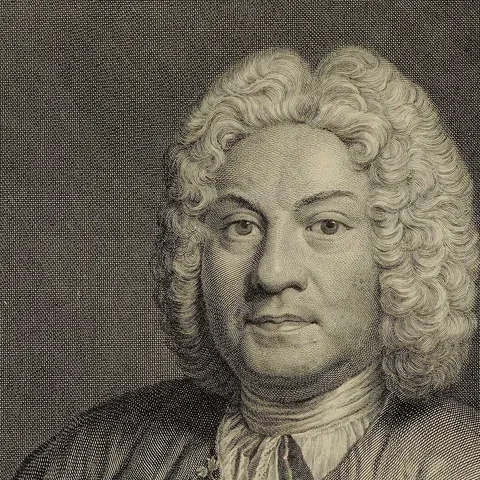
クープラン・published 1717
題名の意味はだれも知らない!やわらかく波打つ、なぞの名曲。
神秘的なバリケードのページへ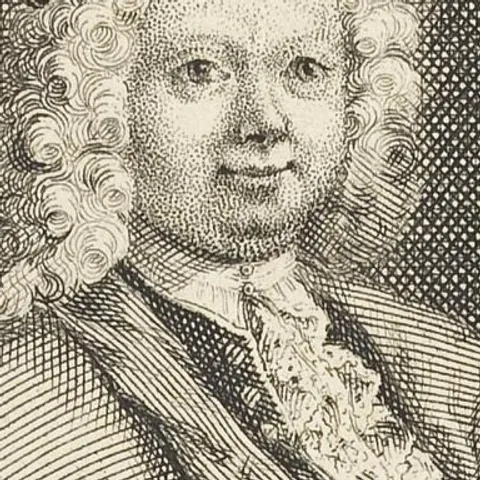
マルチェッロ・published c. 1717
胸にしみるアダージョ!バッハも編曲したオーボエの名曲。
オーボエ協奏曲 ニ短調のページへバッハ・c. 1720
チェロ1本だけで、こんなに豊かな世界が広がる!
無伴奏チェロ組曲 第1番 ト長調のページへ
 MP3