
ダイドーの嘆き
Dido's Lament
パーセル・by 1689
「わたしを覚えていて」。くり返す低音にのせた、胸をうつ別れの歌。
歌劇「ダイドーとエネアス」より「ダイドーの嘆き」のページへ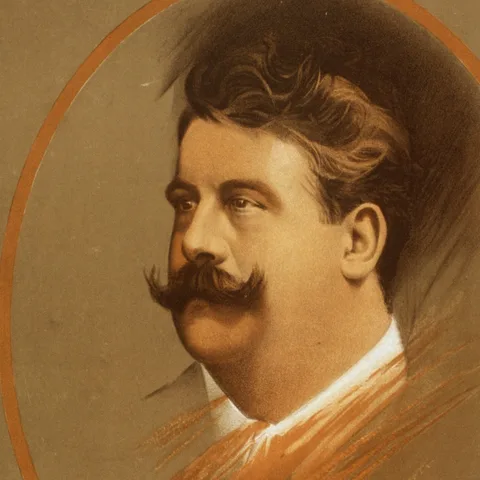
Opera · · 1892
ルッジェーロ・レオンカヴァッロ(1857–1919)
心で泣いて、顔で笑え。道化師の悲しい叫び。Laugh, clown, even while your heart is breaking.
WATCH ON YOUTUBE
この曲は、権利の切れた高音質の録音がまだ見つからないため、YouTube の公式チャンネルなどの名演でお楽しみください(ダウンロードはできません)。YouTube でほかの演奏もさがす ↗
 Vladimir Galouzine: Leoncavallo - I Pagliacci: Vesti La Giubba | Berlin Opera Night (2003)
EuroArtsChannel(YouTube) YouTube で開く ↗
Jonas Kaufmann - "Vesti la giubba" from Verismo Arias - Pagliacci, Leoncavallo
Decca Classics(YouTube) YouTube で開く ↗
Leoncavallo: I Pagliacci: "Vesti la giubba" (Live)
LucianoPavarottiVEVO(YouTube) YouTube で開く ↗
Leoncavallo: Pagliacci, Act I: Recitar! – Vesti la giubba
Luciano Pavarotti - Topic(YouTube) YouTube で開く ↗
Leoncavallo - Pagliacci: Vesti La Giubba
TSOM(YouTube) YouTube で開く ↗
Pavarotti - Vesti La Giubba
Brother Cron(YouTube) YouTube で開く ↗

ホー!この歌のレコードは、100万枚売れた最初のレコードとも言われているよ。
 この曲のおはなし The Story
「衣装をつけろ」は、イタリアの作曲家レオンカヴァッロのオペラ「道化師(パリアッチ)」の第1幕の最後で、テノールが歌うアリアです。旅回りの劇団の座長カニオは、妻が自分を裏切って別の男を愛していると知ってしまいます。それでも、まもなく始まる喜劇の舞台に、道化師として立たなければなりません。Vesti la giubba is a tenor aria from the end of Act 1 of Pagliacci, an opera by the Italian composer Ruggero Leoncavallo. Canio, the leader of a traveling theater group, has just learned that his wife loves another man. Even so, he must soon go on stage as a clown in a comedy.
「衣装をつけろ、顔におしろいをぬれ。客は金をはらって笑いに来るのだ」。カニオは泣きながら自分に言い聞かせ、「笑え、道化師よ、こわれた恋を」と歌います。笑いを届ける人が、心の中では泣いている。その悲しさが、強烈なメロディーで表されています。レオンカヴァッロは台本も自分で書きました。'Put on your costume and powder your face. The people pay to come and laugh.' Weeping, Canio tells himself to go on, and sings, 'Laugh, clown, at your broken love.' A man who makes others laugh is crying inside, and that sadness comes through in a powerful melody. Leoncavallo also wrote the libretto (the words) himself.
オペラは1892年、ミラノで若きトスカニーニの指揮によって初演され、大成功をおさめました。物語は、劇中劇の舞台と現実がまざり合い、悲劇で幕を閉じます。のちに名テノール歌手カルーソーがこのアリアを録音したレコードが大ヒットし、レコードの時代の始まりを代表する一曲になりました。The opera was first performed in Milan in 1892, conducted by the young Arturo Toscanini, and it was a great success. In the story, the play within the play and real life become mixed up, and it ends in tragedy. Later, the great tenor Enrico Caruso recorded this aria, and the record was a huge hit, becoming a symbol of the early days of recorded music.
This is a very sad song from an opera. A man works as a clown. He learns that his wife loves another man. But he must still go on stage and make people laugh. He sings, 'Laugh, clown!' while he is crying.これはオペラの中のとても悲しい歌です。ある男が道化師として働いています。彼は、妻が別の男を愛していると知ります。それでも舞台に立って、人々を笑わせなければなりません。彼は泣きながら「笑え、道化師よ!」と歌います。
 聴きどころ Listening Guide
 えっ!?ネタ Surprising Facts
 タップすると答えが開きます
カルーソーが歌ったこのアリアのレコードは、「世界で初めて100万枚売れたレコード」とよく言われます。ただし、カルーソーはこの歌を何度か録音しており、どの録音のことかについては説が分かれ、本当に最初だったかを疑う声もあります。
Caruso's record of this aria is often called 'the first record to sell a million copies'. However, Caruso recorded it several times, sources disagree about which recording it was, and some people doubt it was really the first.
レオンカヴァッロは、子どものころ裁判官だった父が担当した事件をもとにこの話を書いた、と語っています。いっぽう、フランスの作家カチュール・マンデスからは「自分の劇に似ている」と言われたこともありました。どこまで本当かは、今もはっきりしません。
Leoncavallo said he based the story on a case that his father, a judge, handled when he was a child. On the other hand, the French writer Catulle Mendès claimed it was similar to one of his own plays. Even today, it is not clear how much of the story is true.
レオンカヴァッロは「ラ・ボエーム」というオペラも作りましたが、同じ原作をもとにプッチーニも「ラ・ボエーム」を作っていました。プッチーニ版は1896年、レオンカヴァッロ版は1897年に初演。人気でまさったのはプッチーニの方で、2人の仲はこじれたと言われています。
Leoncavallo also wrote an opera called La bohème, but Puccini wrote a La bohème based on the same book. Puccini's version premiered in 1896 and Leoncavallo's in 1897. Puccini's became far more popular, and the two men are said to have fallen out.
「道化師」は短いオペラなので、同じく短いマスカーニのオペラ「カヴァレリア・ルスティカーナ」と、同じ夜に2本立てで上演されることがよくあります。この組み合わせは英語で「カヴ・アンド・パグ」と呼ばれ、オペラファンに親しまれています。
Pagliacci is a short opera, so it is often performed on the same night as another short opera, Mascagni's Cavalleria rusticana. Opera fans call this pair 'Cav and Pag'.
ENGLISH × MASTERPIECE
 芸能の世界から生まれた言葉。つらいことがあっても仕事や予定は続ける、という意味です。
 この曲で覚える英単語 Words
 クイズに挑戦 Quiz
 著作権について Credits
MORE MASTERPIECES
パーセル・by 1689
「わたしを覚えていて」。くり返す低音にのせた、胸をうつ別れの歌。
歌劇「ダイドーとエネアス」より「ダイドーの嘆き」のページへパーセル・1695
ブリテンが「オーケストラ入門」のテーマに選んだ、かっこいいメロディー。
劇音楽「アブデラザール」より ロンドのページへ
バッハ・c. 1704 (?)
タラリ〜!一度聴いたら忘れない、オルガンの大迫力の幕開け。
トッカータとフーガ ニ短調のページへバッハ・c. 1706–1713
足が弾く低いテーマが21回!重くて壮大な、オルガンの大建築。
パッサカリアとフーガ ハ短調のページへ
ヘンデル・1711
「泣かせてください」と歌う、深い悲しみに満ちた名アリア。
私を泣かせてください(歌劇『リナルド』より)のページへ
マルチェッロ・published c. 1717
胸にしみるアダージョ!バッハも編曲したオーボエの名曲。
オーボエ協奏曲 ニ短調のページへバッハ・c. 1720
ヴァイオリン1本で、宇宙のように大きな世界を描く傑作。
無伴奏ヴァイオリン・パルティータ第2番 ニ短調より「シャコンヌ」のページへ
テレマン・c. 1716–1721
いつもは脇役のヴィオラが主役に!知られている中で最古のヴィオラ協奏曲。
ヴィオラ協奏曲 ト長調のページへ
 MP3