
カノン
Canon in D
パッヘルベル・c. 1680–1706
同じ8つの音が28回!なのに聴くたび胸がいっぱいになる曲。
カノンとジーグ ニ長調 より「カノン」のページへ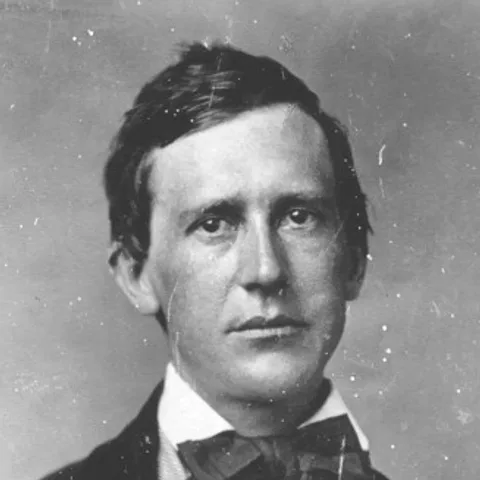
Song · · 1854
スティーヴン・フォスター(1826–1864)
遠くにいる愛する人を夢に見る、ふんわりやさしいラブソング。A soft, dreamy love song for someone far away.
WATCH ON YOUTUBE
この曲は、権利の切れた高音質の録音がまだ見つからないため、YouTube の公式チャンネルなどの名演でお楽しみください(ダウンロードはできません)。YouTube でほかの演奏もさがす ↗
 【愛溢れる懐かしいメロディ】金髪のジェニー Jeanie with the Light Brown Hair
髙木凜々子 ヴァイオリンチャンネル(YouTube) YouTube で開く ↗
Jeanie with the Light Brown Hair
Sam Cooke - Topic(YouTube) YouTube で開く ↗
Jeanie with the Light Brown Hair
The Tabernacle Choir at Temple Square - Topic(YouTube) YouTube で開く ↗

ホー!原題は「明るい茶色の髪」。じつは「金髪」とは言っていないんだよ。
 この曲のおはなし The Story
「金髪のジェニー」は、スティーヴン・フォスターが1854年に出版した歌です。「明るい茶色の髪のジェニーを夢に見る。夏の空気にただようもやのように」と歌い出し、遠くにいる愛する人を思いうかべます。家族や友だちと家のピアノで楽しむ「パーラー・ソング」として作られた、静かで美しいメロディーの歌です。'Jeanie with the Light Brown Hair' is a song that Stephen Foster published in 1854. It begins, 'I dream of Jeanie with the light brown hair, borne, like a vapor, on the summer air.' The singer thinks of a loved one who is far away. It is a parlor song, made to be sung at home around the piano, with a quiet and beautiful melody.
この歌は、フォスターの妻ジェーン・マクダウェルを思って書かれたと考えられています。2人は1850年に結婚しましたが、仲はうまくいかず、離れて暮らした時期もありました。歌詞には、もう会えない人を思うような、さびしさがにじんでいます。題名のジェニー(Jeanie)とジェーン(Jane)の名前が似ていることも、この説の理由の1つです。Foster probably wrote this song thinking of his wife, Jane McDowell. They married in 1850, but their marriage was not easy, and they sometimes lived apart. The words have a lonely feeling, as if the singer may never see her again. The similar sound of the names 'Jeanie' and 'Jane' is one reason for this idea.
出版された当時は、あまりヒットしなかったと言われます。ところが約90年後の1941年、アメリカのラジオ局が音楽の使用料をめぐって作曲家団体ともめ、著作権の切れた古い曲ばかりを流したため、この歌が毎日のように放送されました。雑誌『タイム』が「ジェニーの髪は白くなったとうわさされている」とからかったほどです。When it first came out, it is said that it was not a big hit. But about 90 years later, in 1941, American radio stations had a fight with a songwriters' group over fees. They played old songs with no copyright instead, so this song was on the air almost every day. Time magazine even joked that Jeanie was 'widely reported to have turned grey.'
This is a love song by Stephen Foster. The singer dreams about Jeanie. She has light brown hair. In 1941, the radio played this song again and again. People joked, 'Now Jeanie has gray hair!'これはスティーヴン・フォスターのラブソングです。歌い手はジェニーのことを夢に見ます。ジェニーは明るい茶色の髪をしています。1941年、ラジオはこの歌を何度も何度も流しました。人びとは「ジェニーの髪はもう白髪だよ!」とじょうだんを言いました。
 聴きどころ Listening Guide
 えっ!?ネタ Surprising Facts
 タップすると答えが開きます
日本の題は「金髪のジェニー」ですが、英語の題は「light brown hair(明るい茶色の髪)」。じつは金髪とは書かれていません。日本語の題をつけるときに、イメージしやすく言いかえたのかもしれませんね。題名のちがいに気づくと、英語の勉強にもなります。
The Japanese title means 'Jeanie with Blonde Hair', but the English title says 'light brown hair'. So she is not really blonde! Maybe the Japanese title was chosen because it was easier to imagine. Noticing this difference is a good English lesson, too.
1941年、ラジオ局と作曲家団体ASCAPが使用料でもめ、ラジオからASCAPの曲が消えました。代わりに流されたのが、著作権の切れたフォスターの歌。この曲はあまりにくり返し放送されたため、雑誌『タイム』に「ジェニーは白髪になったとうわさされている」と書かれました。
In 1941, radio stations and the songwriters' group ASCAP argued about fees, and ASCAP songs disappeared from the radio. Instead, stations played Foster's songs, which had no copyright. This one was played so often that Time magazine wrote that Jeanie was 'widely reported to have turned grey.'
1960年代のアメリカのテレビドラマ『I Dream of Jeannie』(日本題『かわいい魔女ジニー』)の題名は、この歌の最初の一行「I dream of Jeanie」からヒントを得たものです。つづりは少しちがいますが、聞けばこの歌を思い出す人も多い題名なのです。
The 1960s American TV show I Dream of Jeannie took its title from the first line of this song, 'I dream of Jeanie.' The spelling is a little different, but the title makes many people think of the song.
20世紀を代表するヴァイオリニストのひとり、ヤッシャ・ハイフェッツは、この歌をヴァイオリン用に編曲し、自分のコンサートでもよく弾きました。歌詞がなくても、メロディーだけで胸にしみる名曲だということがよくわかります。
Jascha Heifetz, one of the greatest violinists of the 20th century, arranged this song for violin and often played it in his concerts. It shows that the melody is moving even without words.
ENGLISH × MASTERPIECE
 「リピート再生」から。I've had this song on repeat all day. のように使います。
 この曲で覚える英単語 Words
 クイズに挑戦 Quiz
 著作権について Credits
MORE MASTERPIECES
パッヘルベル・c. 1680–1706
同じ8つの音が28回!なのに聴くたび胸がいっぱいになる曲。
カノンとジーグ ニ長調 より「カノン」のページへ
ヘンデル・1711
「泣かせてください」と歌う、深い悲しみに満ちた名アリア。
私を泣かせてください(歌劇『リナルド』より)のページへ
バッハ・1713
2本のリコーダーがやさしく鳴る、のどかな牧場の歌。
カンタータ第208番より「羊は安らかに草を食み」のページへ
コレッリ・published 1714
聖なる夜のために。最後に羊飼いの笛のようなパストラーレが流れます。
合奏協奏曲 ト短調「クリスマス協奏曲」のページへ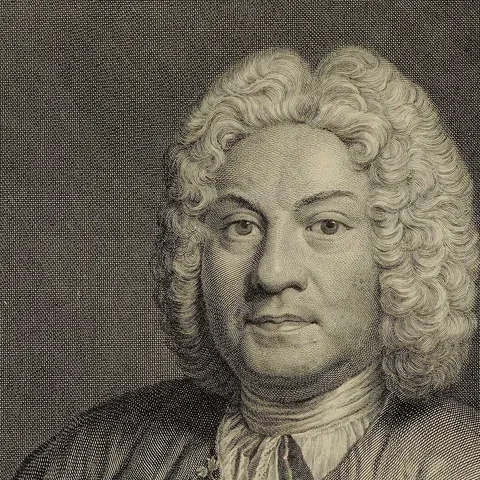
クープラン・published 1717
題名の意味はだれも知らない!やわらかく波打つ、なぞの名曲。
神秘的なバリケードのページへ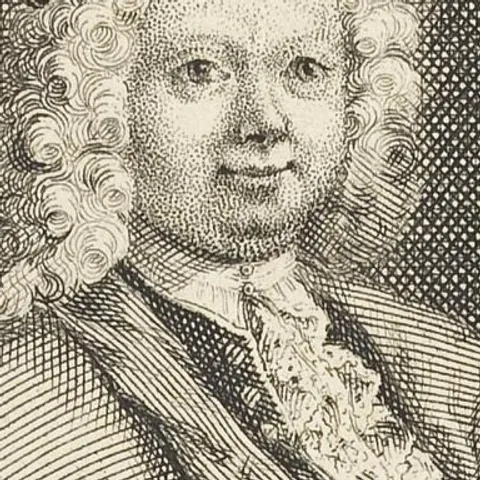
マルチェッロ・published c. 1717
胸にしみるアダージョ!バッハも編曲したオーボエの名曲。
オーボエ協奏曲 ニ短調のページへバッハ・c. 1720
チェロ1本だけで、こんなに豊かな世界が広がる!
無伴奏チェロ組曲 第1番 ト長調のページへバッハ・c. 1720
チェロのいちばん低い「ド」がずしん!堂々とした明るい組曲。
無伴奏チェロ組曲第3番 ハ長調のページへ
 MP3