おおスザンナ
Oh! Susanna
フォスター・1846–1848
バンジョーをひざにのせて出発!アメリカ中で大ヒットした陽気な歌。
おおスザンナのページへRomantic · 1826–1864
「アメリカ音楽の父」The father of American music
 ローレンスヴィル(アメリカ、ピッツバーグ近郊)
 ニューヨーク(アメリカ)3 曲を収録
「おおスザンナ」「草競馬」――アメリカの心を歌にしたソングライター。The songwriter who gave America 'Oh! Susanna' and 'Camptown Races'.
 フォスターの名曲を聴く
フォスター・1846–1848
バンジョーをひざにのせて出発!アメリカ中で大ヒットした陽気な歌。
おおスザンナのページへフォスター・1854
遠くにいる愛する人を夢に見る、ふんわりやさしいラブソング。
金髪のジェニーのページへフォスター・c. 1862 (published 1864)
作曲家の死の直後に出版された、夢のようにやさしいセレナード。
夢見る人のページへ
ホー!フォスターはアメリカ独立からちょうど50年目の7月4日に生まれたんだ。
 生涯 Life Story
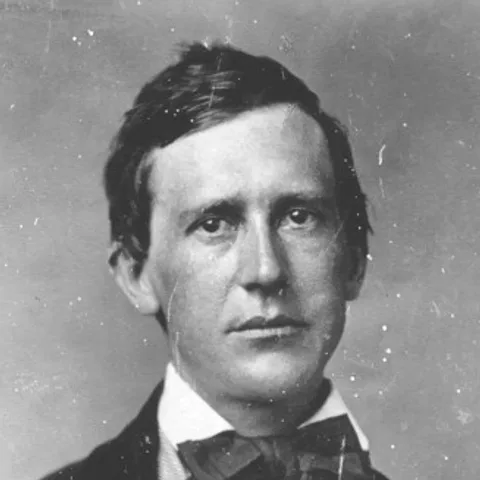
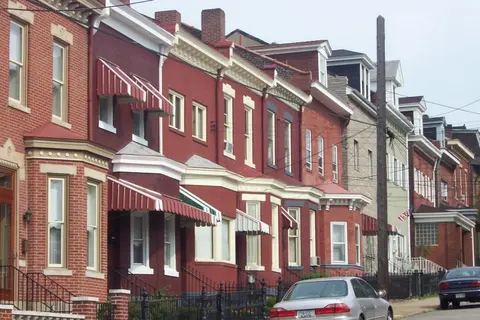
スティーヴン・フォスターは1826年7月4日、アメリカ・ペンシルベニア州のローレンスヴィル(今のピッツバーグの一部)に生まれました。この日はアメリカ独立宣言からちょうど50年目の記念日でした。たくさんのきょうだいの末っ子に近い子で、音楽はほとんど独学でした。大学にも少し通いましたが、すぐにやめてしまっています。Stephen Foster was born on 4 July 1826 in Lawrenceville, Pennsylvania, which is now part of Pittsburgh. It was exactly fifty years after the Declaration of Independence. He was one of the youngest in a large family, and he was almost entirely self-taught in music. He went to college briefly but soon left and never returned.
1844年に初めて自分の歌が出版され、1846年からはシンシナティで兄の会社の帳簿係として働きました。1848年に発表した「おおスザンナ」は大ヒットし、翌年カリフォルニアの金を目指す人々のあいだで愛唱されました。フォスターは、歌を書くことだけで生活しようとした、アメリカで最初期のプロのソングライターになります。1850年にはジェーンと結婚しました。His first song was published in 1844, and from 1846 he worked as a bookkeeper for his brother's business in Cincinnati. 'Oh! Susanna', published in 1848, was a huge hit and became a favourite of the gold seekers heading to California the following year. Foster went on to become one of the first Americans to try to make a living only by writing songs. In 1850 he married Jane McDowell.
フォスターの歌の多くは、当時人気だった「ミンストレル・ショー」で歌われました。これは白人が顔を黒くぬって黒人をおもしろおかしくまねする見世物で、今では黒人をばかにした差別的なものだったと考えられています。フォスターは、からかうような歌詞をやわらげ、人の心に届く歌にしようとしたとされますが、その歌詞にも今日から見ると問題のある言葉が残っています。Many of Foster's songs were performed in minstrel shows, which were hugely popular at the time. In these shows, white performers blackened their faces and made fun of Black people, and today they are recognised as racist. Foster is said to have tried to soften the mocking lyrics and write songs that touched people's feelings, but some of his words are still hurtful by today's standards.
1850年代半ばからは家庭で歌う美しい歌にも力を入れましたが、当時は作曲家の権利を守るしくみが弱く、暮らしは苦しくなっていきました。1860年にニューヨークへ移り、1864年1月、病気のなかホテルの部屋で倒れてけがをし、数日後に37歳で病院で亡くなりました。彼の歌は今も世界中で歌われ、日本でも音楽の教科書などで長く親しまれています。From the mid-1850s he turned more to gentle songs for singing at home, but in those days composers had little protection for their rights, and he grew poorer. He moved to New York in 1860. In January 1864, ill with a fever, he fell and was injured in his hotel room, and he died in hospital a few days later, aged 37. His songs are still sung around the world, and in Japan they have long been familiar from school music books.
Stephen Foster was born in America on July 4, 1826. He wrote more than 200 songs. 'Oh! Susanna' was a very big hit. He tried to live by writing songs, but he often had money problems. He died when he was only 37.スティーヴン・フォスターは1826年7月4日にアメリカで生まれました。彼は200曲以上の歌を書きました。「おおスザンナ」はとても大きなヒットになりました。歌を書く仕事で暮らそうとしましたが、たびたびお金に困りました。彼はわずか37歳で亡くなりました。
 これだけは!鉄板情報 Must-Know Facts
 あっと驚くネタ Surprising Stories
 タップすると答えが開きます
フォスターが生まれた1826年7月4日は、アメリカ独立宣言からちょうど50年目の記念日でした。しかもこの同じ日に、独立宣言にかかわった元大統領ジェファーソンとジョン・アダムズが亡くなっています。
Foster was born on 4 July 1826, exactly fifty years after the Declaration of Independence. On that very same day, two former presidents who had helped create the Declaration, Thomas Jefferson and John Adams, both died.
「故郷の人々(スワニー河)」は、はじめ人気ミンストレル劇団のリーダー、E・P・クリスティの作品として出版されました。フォスターがお金を受け取って、名前を出すことを認めたのです。のちに本当の作者として知られるようになりました。
'Old Folks at Home (Swanee River)' was first published as the work of E. P. Christy, the leader of a popular minstrel troupe. Foster had accepted payment to let Christy's name appear on it. Only later did Foster become known as the real composer.
フォスターの歌には南部が多く登場しますが、本人は南部に住んだことがなく、訪れたのは1852年の一度だけでした。「スワニー河」の名前も、2音節の川の名前を探して地図から選んだという話が兄によって伝えられています。
Many of Foster's songs are about the American South, yet he never lived there and visited only once, in 1852. His brother later told a story that Stephen picked the name 'Swanee' from a map because he needed a river name with two syllables.
1848年の「おおスザンナ」は大ヒットし、1849年にカリフォルニアの金を目指して西へ向かった人々のあいだで盛んに歌われました。しかし当時は作曲家の権利を守るしくみが弱く、たくさん売れてもフォスターの収入はわずかだったと言われています。
'Oh! Susanna' (1848) was a smash hit and was sung everywhere by the 'forty-niners' heading west for California gold. But copyright protection was weak at the time, and Foster is said to have earned very little from it despite its success.
1864年にフォスターが亡くなったとき、財布の中にはわずかな小銭と、「親しい友よ、やさしい心の人々よ(Dear friends and gentle hearts)」と書かれた紙切れが入っていました。新しい歌の歌詞のメモだったとも考えられています。
When Foster died in 1864, his wallet held only a few coins and a scrap of paper with the words 'Dear friends and gentle hearts'. It may have been an idea for the lyrics of a new song.
「ケンタッキーのわが家」と「故郷の人々」は州歌になっていますが、もとの歌詞には、いまでは差別的で人を傷つけるとされる言葉が使われていました。そのため、それぞれ1986年、2008年に、だれもが歌える言葉に書きかえられています。
'My Old Kentucky Home' and 'Old Folks at Home' are state songs, but their original lyrics used racial terms now considered offensive. The lyrics were officially changed, in 1986 and 2008 respectively, so that everyone could sing them.
FAMOUS WORDS
“Dear friends and gentle hearts”親しい友よ、やさしい心の人々よ
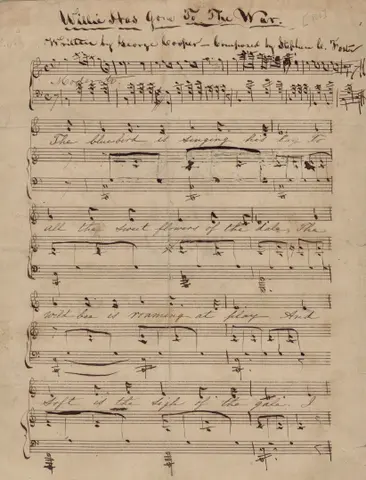
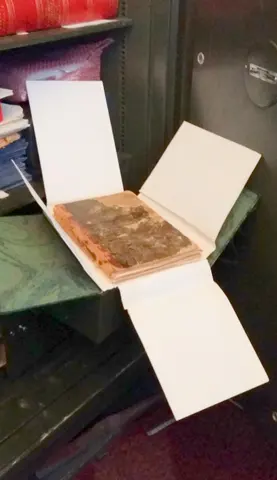
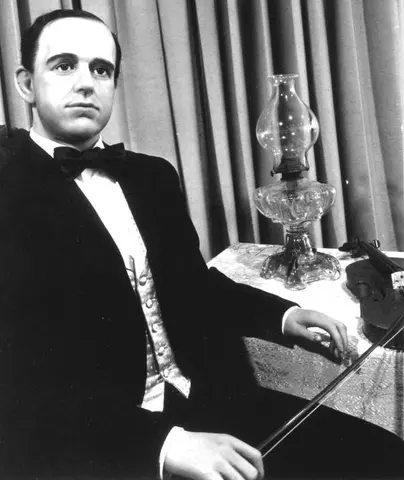
— Stephen Foster(死後、財布の中から見つかった紙切れ(1864年)) 肖像画・写真・自筆譜 Gallery (Public Domain)
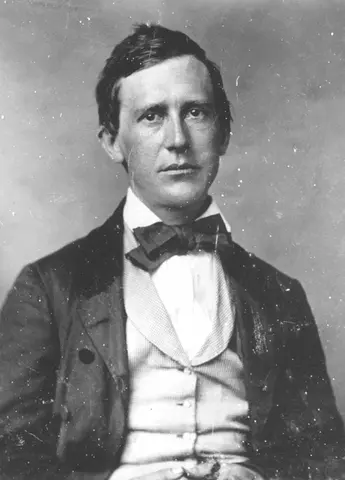
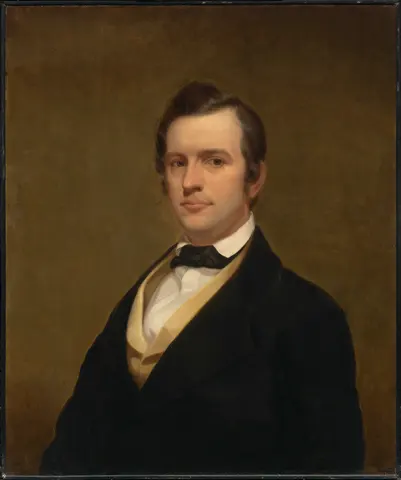
Wikimedia Commons でパブリックドメイン(または CC0)と確認した画像です。クリックで拡大。
 年表 Timeline
 フォスターで覚える英単語 Words
 クイズに挑戦 Quiz
MORE COMPOSERS





 MP3