
テ・デウム
Te Deum
シャルパンティエ・c. 1688–1698
パンパカパーン!ヨーロッパのテレビの幕開けを飾ってきた、ごうかな前奏曲。
テ・デウム ニ長調のページへ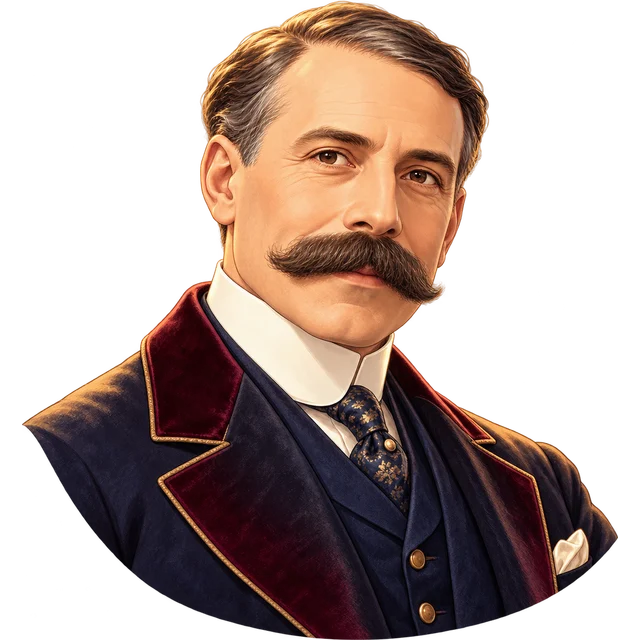
March · Op. 39 No. 1 · 1901
エドワード・エルガー(1857–1934)
卒業式でおなじみ!胸をはって歩きたくなる行進曲。The march that makes you stand tall at graduation.
PUBLIC DOMAIN RECORDING
PD / CC0 無料でダウンロードOK 別の演奏で聴く 1:不明
ANOTHER RECORDING 1
PD / CC0 別の演奏で聴く 2:Antti LuodeANOTHER RECORDING 2
CC BY 3.0WATCH ON YOUTUBE
 Elgar: Pomp and Circumstance / Rattle - Berliner Philharmoniker
Berliner Philharmoniker(YouTube) YouTube で開く ↗
Elgar: Pomp and Circumstance | BBC Proms 2014 - BBC
BBC(YouTube) YouTube で開く ↗
左の音源は権利が切れた録音なのでダウンロードできます。右の動画は YouTube の公式の埋め込みで見るもので、ダウンロードはできません(動画の権利は各チャンネルにあります)。
 もっと名演を観る YouTube で何百万回も再生された人気の演奏
Elgar: Pomp and Circumstance March No 1 in D major, 'Land of Hope and Glory' (Prom 75)
BBC Music(YouTube) YouTube で開く ↗
Elgar: Pomp and Circumstance March No. 1 in D Major, Op. 39 No. 1
London Philharmonic Orchestra - Topic(YouTube) YouTube で開く ↗
Sir Edward Elgar - Pomp and Circumstance March No.1
FacundoJG(YouTube) YouTube で開く ↗
ホー!ロンドンでは大喝采。指揮者は「2回もアンコールした」と書き残しているよ。
 この曲のおはなし The Story
「威風堂々」第1番は、イギリスの作曲家エルガーが1901年に書いた、オーケストラのための行進曲です。速く元気な部分にはさまれて、中間でゆったりと堂々としたメロディーが流れます。このメロディーはのちに歌詞がつけられ、「希望と栄光の国」として、イギリスでは第2の国歌のように愛されるようになりました。Pomp and Circumstance March No. 1 is an orchestral march written in 1901 by the English composer Edward Elgar. Between fast, energetic sections, a broad and noble melody appears in the middle. This tune was later given words as 'Land of Hope and Glory', and in Britain it is loved almost like a second national anthem.
題名は、シェイクスピアの劇『オセロ』のせりふ「誇り、華やかさ、そして栄光ある戦争の威儀(ポンプ・アンド・サーカムスタンス)」から取られています。エルガーはこの題名で行進曲のシリーズを作り、生きているあいだに5曲を発表しました。1902年には、国王エドワード7世の戴冠式のための作品に、この中間部のメロディーを歌として使っています。The title comes from a line in Shakespeare's Othello: 'Pride, pomp, and circumstance of glorious war.' Elgar used it for a series of marches and published five of them during his lifetime. In 1902 he used the middle melody as a song in a work written for the coronation of King Edward VII.
1901年10月にリヴァプールで初演され、数日後のロンドンの演奏会では、お客さんが立ち上がって大喝采しました。指揮者ヘンリー・ウッドはのちに、2回もアンコールに応えたこと、管弦楽曲が2回アンコールされたのはプロムス(ロンドンの夏の音楽祭)の歴史でただ一度だったことを書き残しています。今では「プロムスの最終夜」の名物で、アメリカでは卒業式の定番曲です。It was first performed in Liverpool in October 1901. A few days later, at a concert in London, the audience rose to their feet and cheered. The conductor Henry Wood later wrote that he had to play the march twice more as encores, and that this was the only time in the history of the Proms that an orchestral piece got a double encore. Today it is a highlight of the Last Night of the Proms, and in America it is the standard music for graduations.
This is a famous march from England. In the middle, there is a slow and wonderful melody. People in England sing it with words. In America, people often hear it at graduation. When it was new, people asked to hear it again and again!これはイギリスの有名な行進曲です。まん中に、ゆっくりしたすばらしいメロディーがあります。イギリスの人々は、そのメロディーに歌詞をつけて歌います。アメリカでは、卒業式でよくこの曲が流れます。できたばかりのころ、人々は何度も何度も聴きたがりました!
 聴きどころ Listening Guide
 えっ!?ネタ Surprising Facts
 タップすると答えが開きます
1905年、エルガーがアメリカのイェール大学から名誉博士号を受けたとき、式でこの曲が演奏されました。これがきっかけになって、ほかの大学や高校にも広まり、アメリカでは卒業式といえばこの曲、というほどの定番になったと言われています。
In 1905, when Elgar received an honorary doctorate from Yale University, this march was played at the ceremony. It is said that this started a trend, spreading to other universities and high schools, until it became the standard graduation music in America.
エルガーは「威風堂々」を6曲のシリーズにするつもりでしたが、生きているあいだに完成したのは5曲だけでした。のこされた第6番のスケッチをもとに、イギリスの作曲家アンソニー・ペインが曲を仕上げ、2006年に初演されています。
Elgar planned a series of six Pomp and Circumstance marches, but only five were finished during his life. Using the sketches he left for No. 6, the English composer Anthony Payne completed it, and it was first performed in 2006.
このメロディーを聴いた国王エドワード7世が、歌詞をつけてはどうかと提案した、という話が伝わっています。その後、詩人A・C・ベンソンが歌詞を書き、「希望と栄光の国」が生まれました。今でもイギリスの式典や大会などでよく歌われます。
There is a story that King Edward VII heard the tune and suggested that words be added. The poet A. C. Benson then wrote the lyrics, and 'Land of Hope and Glory' was born. It is still often sung at British ceremonies and events.
題名の「ポンプ・アンド・サーカムスタンス」は、『オセロ』で主人公が軍人としての人生に別れを告げる場面のせりふから取られています。はなやかな言葉ですが、もとは誇り高い過去を惜しむ、少しさびしい場面のせりふなのです。
The words 'pomp and circumstance' come from a scene in Othello where the hero says farewell to his life as a soldier. The phrase sounds grand, but in the play it belongs to a rather sad moment of looking back on a proud past.
ENGLISH × MASTERPIECE
 occasion は「特別な場面」。いざというときに、うまくやってのけることです。
 この曲で覚える英単語 Words
 クイズに挑戦 Quiz
 この録音について(著作権・出典) Credits
MORE MASTERPIECES
シャルパンティエ・c. 1688–1698
パンパカパーン!ヨーロッパのテレビの幕開けを飾ってきた、ごうかな前奏曲。
テ・デウム ニ長調のページへクラーク・c. 1700
結婚式の大定番。でも作曲者は長いあいだ取りちがえられていた!
トランペット・ヴォランタリー(デンマーク王子の行進)のページへ
バッハ・c. 1707–1710 (?)
キラキラの駆け上がりで幕開け!若きバッハのはなやかな鍵盤ショー。
トッカータ ニ長調のページへ
ヴィヴァルディ・published 1711
2本のヴァイオリンが火花を散らす!バッハも編曲した熱い協奏曲。
協奏曲集『調和の霊感』第8番 イ短調(2つのヴァイオリンのための協奏曲)のページへヴィヴァルディ・c. 1715
オクターブがぴょんぴょん跳ねる!喜びがはじける合唱の名曲。
グローリア ニ長調のページへ
テレマン・c. 1710–1720 (?)
バルブのないラッパで高音をきらり!バロックのトランペットの晴れ舞台。
トランペット協奏曲 ニ長調のページへ
ヘンデル・1717
テムズ川の船の上で国王のために!夏の夜の水上コンサート。
水上の音楽のページへバッハ・1720
止まらない!キラキラ走る、ヴァイオリン1本の大はしゃぎ。
無伴奏ヴァイオリン・パルティータ第3番 ホ長調より「プレリュード」のページへ
 MP3