
ダイドーの嘆き
Dido's Lament
パーセル・by 1689
「わたしを覚えていて」。くり返す低音にのせた、胸をうつ別れの歌。
歌劇「ダイドーとエネアス」より「ダイドーの嘆き」のページへ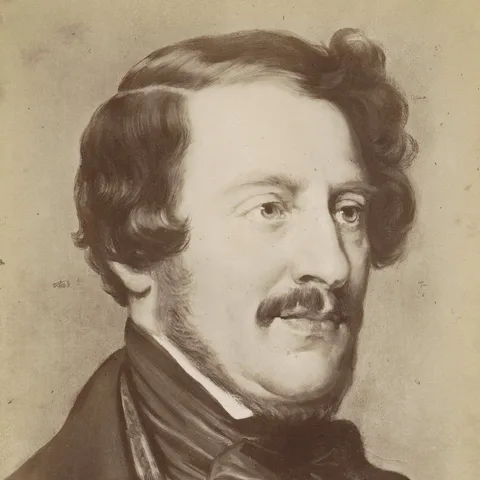
Opera · · 1832
ガエターノ・ドニゼッティ(1797–1848)
彼女の目にひとしずくの涙…それは恋のしるし!One secret tear, and he knows she loves him.
PUBLIC DOMAIN RECORDING
CC BY-SA 4.0 無料でダウンロードOKWATCH ON YOUTUBE
 Camille Thomas – Donizetti: L'elisir d'amore: Una furtiva lagrima (at Le Musée des Arts Décoratifs)
Deutsche Grammophon - DG(YouTube) YouTube で開く ↗
Pene Pati sings "Una furtiva lagrima" from Donizetti's L’Elisir d’amore
Warner Classics(YouTube) YouTube で開く ↗
左の音源は権利が切れた録音なのでダウンロードできます。右の動画は YouTube の公式の埋め込みで見るもので、ダウンロードはできません(動画の権利は各チャンネルにあります)。
 もっと名演を観る YouTube で何百万回も再生された人気の演奏
Una Furtiva Lagrima - Enrico Caruso 1904. Remastered.
Tom Frøkjær(YouTube) YouTube で開く ↗
Luciano PAVAROTTI. Una furtiva lagrima. L' elisir d' amore. G. Donizetti.
Navarro-Forcada(YouTube) YouTube で開く ↗
Luciano Pavarotti - Una furtiva lagrima - (sub: english) - Tribute
Giulia Zarantonello(YouTube) YouTube で開く ↗
Placido Domingo - Una furtiva lagrima from L'Elisir d'amore
NapatMusic(YouTube) YouTube で開く ↗

ホー!このオペラの「恋の薬」の正体は、じつはただの安いワインだったんだ。
 この曲のおはなし The Story
「人知れぬ涙」は、イタリアの作曲家ドニゼッティのオペラ「愛の妙薬」の第2幕で、テノールが歌うアリアです。村の素朴な青年ネモリーノが、好きな娘アディーナの目にこっそりと光る涙を見て、「彼女はぼくを愛している」と気づき、その喜びをしみじみとかみしめて歌います。Una furtiva lagrima is a tenor aria from Act 2 of L'elisir d'amore (The Elixir of Love), an opera by the Italian composer Gaetano Donizetti. Nemorino, a simple young villager, sees a secret tear in the eye of Adina, the girl he loves. He realizes that she loves him, and he sings about his quiet, deep joy.
「愛の妙薬」は、明るく楽しい喜劇です。ネモリーノは、いかさま薬売りのドゥルカマーラから「飲めばだれにでも愛される薬」を買いますが、その正体はただのワインでした。ところが、さまざまな勘ちがいが重なって、物語はハッピーエンドへ向かいます。このアリアは、笑いの多いオペラの中で、ふっと心にしみる場面です。L'elisir d'amore is a bright, funny comedy. Nemorino buys a 'love potion' from Dulcamara, a fake doctor who sells miracle cures. It is really just wine. But thanks to a series of misunderstandings, the story moves toward a happy ending. In this cheerful opera, the aria is a moment that quietly touches the heart.
オペラは1832年、ミラノのカノッビアーナ劇場で初演され、大成功をおさめました。ドニゼッティはこのオペラをとても短い期間で書き上げたと言われています。「人知れぬ涙」は、カルーソーやパヴァロッティなど、多くの名テノール歌手が得意にしてきたアリアで、今もコンサートでよく歌われています。The opera was first performed at the Teatro della Canobbiana in Milan in 1832, and it was a great success. Donizetti is said to have written it in a very short time. Many great tenors, including Caruso and Pavarotti, have been famous for singing this aria, and it is still often sung in concerts today.
This is a famous song from a funny opera. A young man loves a girl. He buys a 'magic love drink,' but it is only wine! Then he sees a tear in the girl's eye. He knows she loves him, and he is very happy.これは楽しいオペラの中の有名な歌です。ある青年が、ひとりの娘を好きになります。彼は「恋の薬」を買いますが、それはただのワインです!そのあと、彼は娘の目に涙を見つけます。彼女が自分を好きだとわかって、彼はとても幸せになります。
 聴きどころ Listening Guide
 えっ!?ネタ Surprising Facts
 タップすると答えが開きます
ネモリーノがなけなしのお金で買った「愛の妙薬」は、じつはただのボルドーワイン。薬売りドゥルカマーラは、どんな病気にも効くと言って何でも売りつけるいかさま師です。でも最後には、薬のおかげで恋が実ったと村人に思われ、薬は飛ぶように売れていきます。
The 'elixir of love' that Nemorino buys with almost all his money is really just Bordeaux wine. Dulcamara is a fraud who claims his products cure everything. But in the end, the villagers believe his potion made the romance happen, and they rush to buy it.
ドニゼッティはとても筆の速い作曲家で、このオペラも数週間ほどで書き上げたと伝えられています。生涯に70ほどのオペラを作ったと言われ、その中でも「愛の妙薬」は、今でも特に人気のある作品の一つです。
Donizetti was a very fast composer, and he is said to have written this opera in just a few weeks. He is said to have composed about 70 operas in his life, and L'elisir d'amore is still one of the most popular of them all.
このアリアは、ファゴットがもの悲しいメロディーを吹く前奏で始まり、ハープがやさしく伴奏します。ファゴットはおどけた音の楽器だと思われがちですが、ここでは切ない気持ちをみごとに表しています。
The aria opens with a bassoon playing a sad, tender melody, gently accompanied by the harp. The bassoon is often thought of as a funny-sounding instrument, but here it beautifully expresses deep longing.
台本を書いたフェリーチェ・ロマーニは、喜劇の流れを止めてしまうと考えて、このしっとりしたアリアを入れることに反対した、という話が伝わっています。ドニゼッティがゆずらなかったおかげで、オペラ史に残る名曲が生まれたというわけです。
There is a story that the librettist Felice Romani objected to adding this slow, tender aria, worrying that it would stop the flow of the comedy. Because Donizetti refused to give in, one of the most famous arias in opera history was born.
ENGLISH × MASTERPIECE
 ひっくり返るほど夢中、のイメージ。fall head over heels in love と使います。
 この曲で覚える英単語 Words
 クイズに挑戦 Quiz
 この録音について(著作権・出典) Credits
MORE MASTERPIECES
パーセル・by 1689
「わたしを覚えていて」。くり返す低音にのせた、胸をうつ別れの歌。
歌劇「ダイドーとエネアス」より「ダイドーの嘆き」のページへ
パッヘルベル・c. 1680–1706
同じ8つの音が28回!なのに聴くたび胸がいっぱいになる曲。
カノンとジーグ ニ長調 より「カノン」のページへ
ヘンデル・1711
「泣かせてください」と歌う、深い悲しみに満ちた名アリア。
私を泣かせてください(歌劇『リナルド』より)のページへ
バッハ・1713
2本のリコーダーがやさしく鳴る、のどかな牧場の歌。
カンタータ第208番より「羊は安らかに草を食み」のページへ
コレッリ・published 1714
聖なる夜のために。最後に羊飼いの笛のようなパストラーレが流れます。
合奏協奏曲 ト短調「クリスマス協奏曲」のページへ
クープラン・published 1717
題名の意味はだれも知らない!やわらかく波打つ、なぞの名曲。
神秘的なバリケードのページへ
マルチェッロ・published c. 1717
胸にしみるアダージョ!バッハも編曲したオーボエの名曲。
オーボエ協奏曲 ニ短調のページへバッハ・c. 1720
チェロ1本だけで、こんなに豊かな世界が広がる!
無伴奏チェロ組曲 第1番 ト長調のページへ
 MP3