
カノン
Canon in D
パッヘルベル・c. 1680–1706
同じ8つの音が28回!なのに聴くたび胸がいっぱいになる曲。
カノンとジーグ ニ長調 より「カノン」のページへ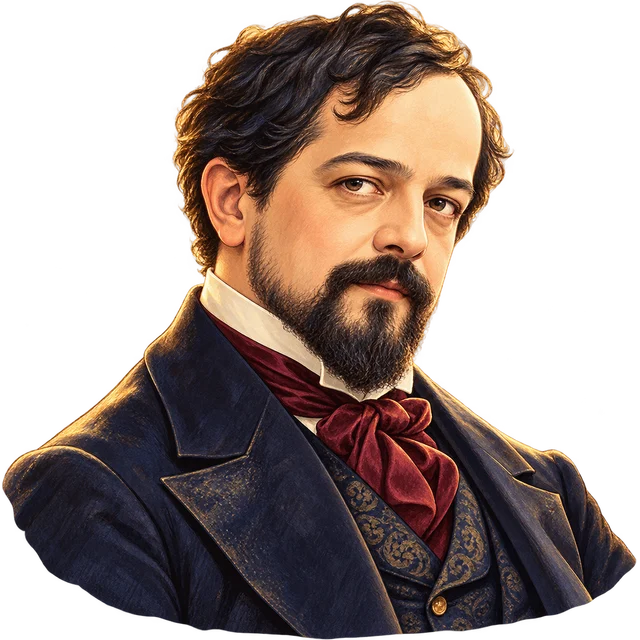
Piano · L. 121 · 1910
クロード・ドビュッシー(1862–1918)
「おそいより、もっとおそい」!?とろけるように甘いワルツ。Slower than slow? A waltz that melts like sugar.
PUBLIC DOMAIN RECORDING
CC BY-SA 2.0 無料でダウンロードOKWATCH ON YOUTUBE
 Debussy: La plus que lente, CD 128
Daniel Barenboim - Topic(YouTube) YouTube で開く ↗
Debussy “La plus que lente” Paul Barton, FEURICH piano
Paul Barton(YouTube) YouTube で開く ↗
左の音源は権利が切れた録音なのでダウンロードできます。右の動画は YouTube の公式の埋め込みで見るもので、ダウンロードはできません(動画の権利は各チャンネルにあります)。
 もっと名演を観る YouTube で何百万回も再生された人気の演奏
María Dueñas, Itamar Golan - Debussy: La plus que lente (Arr. Roques for Violin & Piano)
Deutsche Grammophon - DG(YouTube) YouTube で開く ↗

ホー!この曲はパリの高級ホテルで、ヴァイオリン奏者のバンドが演奏したんだよ。
 この曲のおはなし The Story
「レントより遅く」は、ドビュッシーが1910年、『前奏曲集 第1巻』を書き上げたすぐあとに作ったピアノ曲です。ゆったりとした3拍子のワルツで、メロディーが伸びたりちぢんだりしながら、甘く、少しけだるく流れていきます。楽譜には「たっぷり自由なテンポで、やわらかく」という意味の指示があります。La plus que lente is a piano piece Debussy wrote in 1910, just after finishing his first book of Preludes. It is a slow waltz in three, and its melody stretches and shrinks as it flows along, sweet and a little lazy. The score asks the pianist to play 'very freely, with softness.'
このころパリでは、「ヴァルス・レント(ゆっくりのワルツ)」という甘いワルツがカフェやホテルで大流行していました。題名の「レントより遅く」は、その流行をちょっとからかうような、しゃれた言葉あそびです。テンポの指示ではなく、「ゆっくりワルツの、さらに上をいく曲」というユーモアがこめられています。At the time, sweet slow waltzes called 'valses lentes' were all the rage in Paris cafés and hotels. The title, 'more than slow,' is a witty play on words that gently pokes fun at this fashion. It isn't a tempo marking. It's a joke meaning 'a slow waltz that goes even further.'
曲はすぐに弦楽器用に編曲され、パリのニュー・カールトン・ホテルで、ヴァイオリン奏者レオニのバンドによって演奏されました。ドビュッシーはその手書きの楽譜をレオニにおくったと言われています。1912年には、ハンガリーの打弦楽器ツィンバロンも入った小オーケストラ版が出版されました。The piece was soon arranged for strings and played at the New Carlton Hotel in Paris by the band of the violinist Léoni. Debussy is said to have given Léoni the handwritten score. In 1912, a version for small orchestra was published, including the cimbalom, a Hungarian instrument whose strings are struck with hammers.
This is a slow and sweet waltz for piano. The title means 'more than slow.' It is a little joke! In Paris, slow waltzes were very popular in cafés. A violinist's band played this piece at a hotel.これはゆっくりで甘いピアノのワルツです。題名は「おそいより、もっとおそい」という意味です。ちょっとした冗談なのです!パリでは、カフェでゆっくりのワルツが大人気でした。ホテルでは、ヴァイオリン奏者のバンドがこの曲を演奏しました。
 聴きどころ Listening Guide
 えっ!?ネタ Surprising Facts
 タップすると答えが開きます
「レント(lente)」は「ゆっくり」という意味。当時の流行曲「ヴァルス・レント(ゆっくりのワルツ)」に「プリュ・ク(〜より、もっと)」をつけて、「ゆっくりワルツより、もっとゆっくり」としたのが題名です。本当にのろく弾けという意味ではなく、流行への軽い皮肉だと考えられています。
'Lente' means 'slow.' Debussy took the popular 'valse lente' (slow waltz) and added 'plus que' (more than), making 'more than a slow waltz.' It isn't really telling you to play very slowly. It's thought to be a light joke about the fashion.
この曲は、パリのニュー・カールトン・ホテルで、ヴァイオリン奏者レオニの楽団が演奏しました。ドビュッシーはその楽譜をレオニにおくったと言われています。演奏会場ではなく、ホテルでお茶を楽しむ人たちのための音楽として広まったのです。
This piece was played at the New Carlton Hotel in Paris by the band of the violinist Léoni. Debussy is said to have given the score to Léoni. It spread not in concert halls but as music for people enjoying tea at a hotel.
1912年に出版された小オーケストラ版には、ツィンバロンという楽器が入っています。テーブルのような台に張った弦を、小さなばちでたたいて鳴らすハンガリーの楽器で、きらきらした独特の音がします。ホテルの楽団の雰囲気を、そのまま楽譜に残したような編成です。
The small orchestra version, published in 1912, includes a cimbalom. This Hungarian instrument has strings stretched over a table-like frame, struck with little hammers, and it makes a glittering, unique sound. It's as if the hotel band's atmosphere was written straight into the score.
ドビュッシーは自動ピアノのウェルテ社のために自分の作品を14曲録音しましたが、その中にこの曲も入っています。作曲者自身が、どれくらい自由にテンポをゆらして弾いたのか、100年以上たった今も聴いて確かめることができます。
Debussy recorded 14 of his works for the Welte self-playing piano company, and this piece is one of them. More than 100 years later, we can still hear how freely the composer himself bent the tempo.
ENGLISH × MASTERPIECE
 とてもおそいことのたとえ。The traffic moved at a snail's pace. のように使います。
 この曲で覚える英単語 Words
 クイズに挑戦 Quiz
 この録音について(著作権・出典) Credits
MORE MASTERPIECES
パッヘルベル・c. 1680–1706
同じ8つの音が28回!なのに聴くたび胸がいっぱいになる曲。
カノンとジーグ ニ長調 より「カノン」のページへパッヘルベル・c. 1680–1706
あの「カノン」には、はずむ相棒がいた!知られざる後半戦。
カノンとジーグ ニ長調 より「ジーグ」のページへ
バッハ・c. 1706–1713
足が弾く低いテーマが21回!重くて壮大な、オルガンの大建築。
パッサカリアとフーガ ハ短調のページへ
ヘンデル・1711
「泣かせてください」と歌う、深い悲しみに満ちた名アリア。
私を泣かせてください(歌劇『リナルド』より)のページへバッハ・1713
2本のリコーダーがやさしく鳴る、のどかな牧場の歌。
カンタータ第208番より「羊は安らかに草を食み」のページへ
コレッリ・published 1714
聖なる夜のために。最後に羊飼いの笛のようなパストラーレが流れます。
合奏協奏曲 ト短調「クリスマス協奏曲」のページへ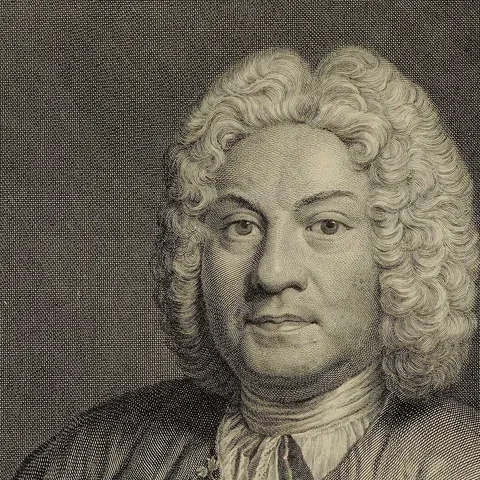
クープラン・published 1717
題名の意味はだれも知らない!やわらかく波打つ、なぞの名曲。
神秘的なバリケードのページへ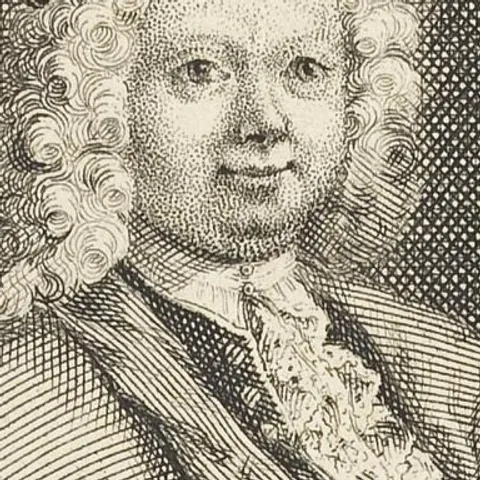
マルチェッロ・published c. 1717
胸にしみるアダージョ!バッハも編曲したオーボエの名曲。
オーボエ協奏曲 ニ短調のページへ
 MP3