
ダイドーの嘆き
Dido's Lament
パーセル・by 1689
「わたしを覚えていて」。くり返す低音にのせた、胸をうつ別れの歌。
歌劇「ダイドーとエネアス」より「ダイドーの嘆き」のページへ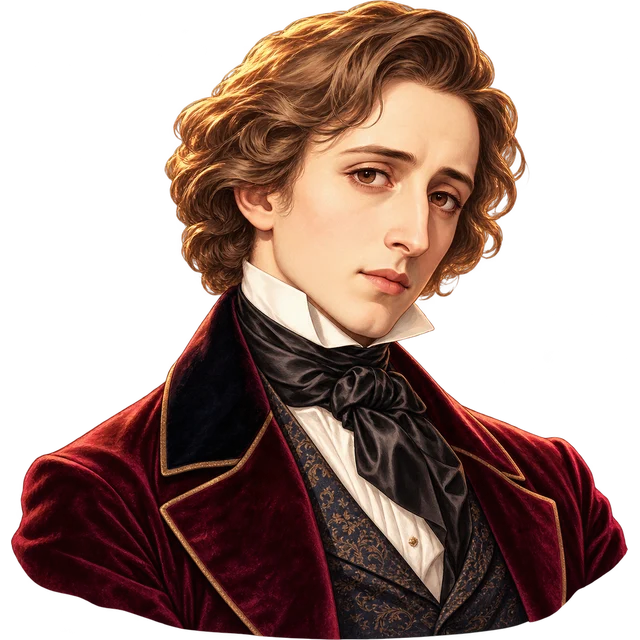
Piano · Op. 48 No. 1 · 1841
フレデリック・ショパン(1810–1849)
悲しい歌、祈り、そして嵐。ノクターンをこえたドラマ。A sad song, a prayer, and a storm: more than a night song.
PUBLIC DOMAIN RECORDING
PD / CC0 無料でダウンロードOKWATCH ON YOUTUBE
 Chopin Nocturne Op 48 No.1 C minor
Valentina Lisitsa QOR Records Official channel(YouTube) YouTube で開く ↗
LEONORA ARMELLINI – Nocturne in C minor, Op. 48 No. 1 (18th Chopin Competition, first stage)
Chopin Institute(YouTube) YouTube で開く ↗
左の音源は権利が切れた録音なのでダウンロードできます。右の動画は YouTube の公式の埋め込みで見るもので、ダウンロードはできません(動画の権利は各チャンネルにあります)。
 もっと名演を観る YouTube で何百万回も再生された人気の演奏
Ivo Pogorelich plays Chopin Nocturne op. 48 no. 1 - live 2012
ADGO(YouTube) YouTube で開く ↗

ホー!静かなはずのノクターンなのに、まん中では大嵐が起きるんだ。
 この曲のおはなし The Story
この曲は、ショパンが1841年に書いた「2つのノクターン 作品48」の第1曲です。重く悲しいハ短調の歌で始まり、中ほどでは賛美歌のような静かな和音があらわれます。その和音がしだいに激しくなり、大きな嵐のように高まっていく、ノクターンとしては異例のスケールをもった曲です。This is the first of the Two Nocturnes, Op. 48, which Chopin wrote in 1841. It begins with a heavy, sad song in C minor, and in the middle, quiet hymn-like chords appear. These chords grow more and more intense until they rise like a great storm. It is unusually grand for a nocturne.
1841年は、ショパンがノアンで多くの傑作を生んだ年で、「幻想曲 ヘ短調」も同じ年の作品です。この曲は、はじめの歌、中間の祈りと嵐、そして激しさを増してもどってくる最初の歌、という3つの部分からできています。最初の歌がもどるとき、伴奏は息せき切ったような、きざむ和音に変わり、悲しみがいっそう切実になります。1841 was a year when Chopin wrote many masterpieces at Nohant, and the Fantaisie in F minor is from the same year. This piece has three parts: the opening song, the prayer and storm in the middle, and the return of the first song with even more intensity. When the song comes back, the accompaniment changes to breathless, throbbing chords, and the sadness feels even deeper.
作品48は1841年に出版され、弟子のロール・デュペレ嬢にささげられました。ショパンのノクターンの中でも、最もドラマチックで深い作品の一つとして高く評価され、「ノクターンの最高傑作」と呼ぶ人もいます。ここでショパンは、静かな夜の音楽を、大きな悲劇の音楽へと広げています。Op. 48 was published in 1841 and dedicated to his student Laure Duperré. It is highly praised as one of the most dramatic and profound of Chopin's nocturnes, and some people call it his greatest. Here, Chopin turns quiet night music into a large, tragic work.
This is a sad piano piece for the night. It begins with a slow, dark song. In the middle, there is a quiet part like a prayer. Then the music becomes loud like a storm. At the end, the sad song comes back.これは夜のための悲しいピアノ曲です。ゆっくりした暗い歌で始まります。真ん中には、お祈りのような静かな部分があります。それから音楽は嵐のように大きくなります。最後に、悲しい歌がもどってきます。
 聴きどころ Listening Guide
 えっ!?ネタ Surprising Facts
 タップすると答えが開きます
ノクターンといえば静かな夜の曲ですが、この曲の中間部では、祈りのような和音が、だんだん速く激しいオクターブの連打へと変わり、嵐のように高まります。夜の静けさを破るこの展開は、ノクターンとしてはとても大きなドラマを生みます。
Nocturnes are usually quiet night pieces, but in the middle of this one, the prayer-like chords turn into faster and fiercer octaves that rise like a storm. Breaking the calm of the night like this creates unusually large-scale drama for a nocturne.
嵐のあと、最初の悲しいメロディーがもどってきます。でも伴奏は、心臓の鼓動のように小きざみな和音に変わり、テンポも速まります。同じメロディーなのに、ずっと切迫した、追いつめられたような感じに聞こえます。
After the storm, the sad opening melody returns. But now the accompaniment becomes quick, throbbing chords like a heartbeat, and the tempo speeds up. It is the same melody, but it sounds far more urgent and desperate.
この曲が書かれた1841年、ショパンはノアンの館で「幻想曲 ヘ短調」「バラード第3番」なども完成させました。ハ短調のこのノクターンと、ヘ短調の幻想曲は、どちらも暗い調から大きなドラマを生み出す、充実期のショパンの姿を伝えています。
In 1841, the year of this nocturne, Chopin also finished the Fantaisie in F minor and the Ballade No. 3 at Nohant. This C minor nocturne and the F minor Fantaisie both show Chopin at his peak, creating great drama from dark keys.
作品48は、ショパンの弟子ロール・デュペレにささげられました。ショパンはパリで多くの貴族や裕福な家の子女にピアノを教え、そのレッスン料が大切な収入でした。名曲の多くは、弟子や友人、貴族へのささげものになっています。
Op. 48 was dedicated to Chopin's student Laure Duperré. In Paris, Chopin taught piano to many young people from noble and wealthy families, and lesson fees were an important income for him. Many of his masterpieces were dedicated to students, friends, and nobles.
ENGLISH × MASTERPIECE
 この weather は動詞で「(嵐を)切り抜ける」。苦しい時期を乗りこえるときに使います。
 この曲で覚える英単語 Words
 クイズに挑戦 Quiz
 この録音について(著作権・出典) Credits
MORE MASTERPIECES
パーセル・by 1689
「わたしを覚えていて」。くり返す低音にのせた、胸をうつ別れの歌。
歌劇「ダイドーとエネアス」より「ダイドーの嘆き」のページへパーセル・1695
ブリテンが「オーケストラ入門」のテーマに選んだ、かっこいいメロディー。
劇音楽「アブデラザール」より ロンドのページへ
バッハ・c. 1704 (?)
タラリ〜!一度聴いたら忘れない、オルガンの大迫力の幕開け。
トッカータとフーガ ニ短調のページへバッハ・c. 1703–1707 (?)
音楽の授業でおなじみ!4つの声が同じテーマで追いかけっこ。
小フーガ ト短調のページへバッハ・c. 1706–1713
足が弾く低いテーマが21回!重くて壮大な、オルガンの大建築。
パッサカリアとフーガ ハ短調のページへ
ヘンデル・1711
「泣かせてください」と歌う、深い悲しみに満ちた名アリア。
私を泣かせてください(歌劇『リナルド』より)のページへ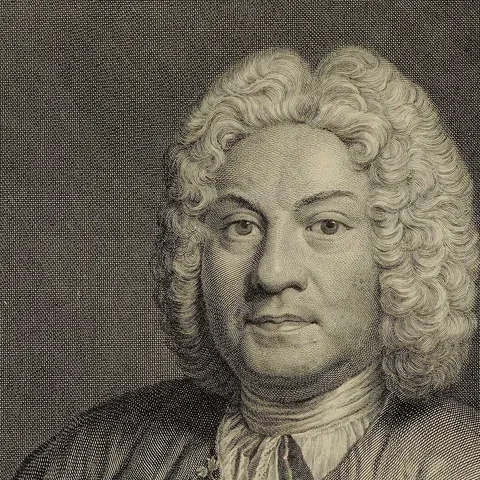
クープラン・published 1717
題名の意味はだれも知らない!やわらかく波打つ、なぞの名曲。
神秘的なバリケードのページへ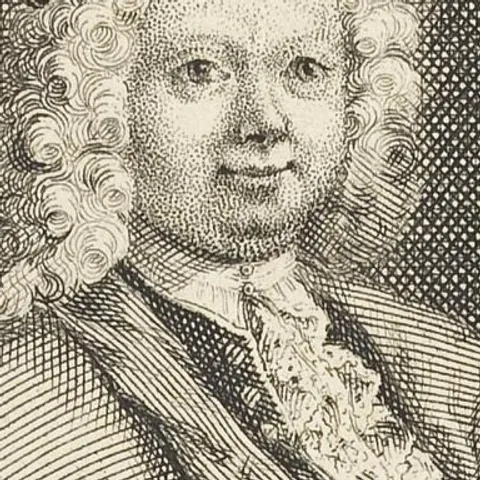
マルチェッロ・published c. 1717
胸にしみるアダージョ!バッハも編曲したオーボエの名曲。
オーボエ協奏曲 ニ短調のページへ
 MP3