
ダイドーの嘆き
Dido's Lament
パーセル・by 1689
「わたしを覚えていて」。くり返す低音にのせた、胸をうつ別れの歌。
歌劇「ダイドーとエネアス」より「ダイドーの嘆き」のページへ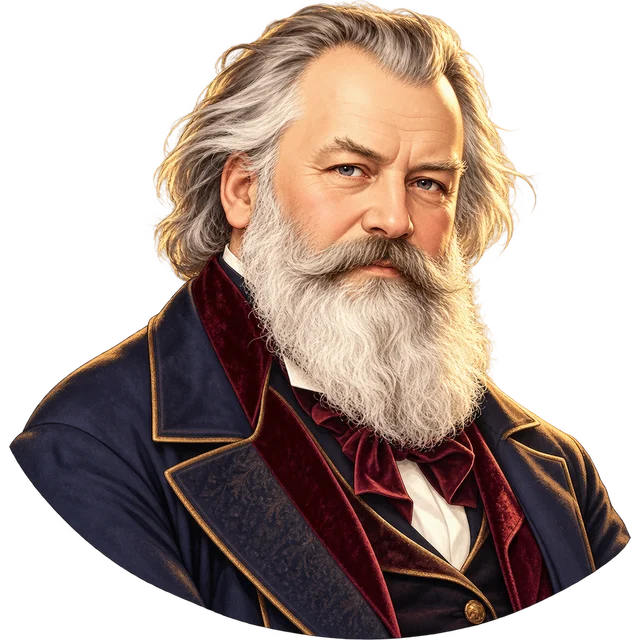
Symphony · Op. 98 · 1884–1885
ヨハネス・ブラームス(1833–1897)
ため息のように始まり、バッハの技で終わる。ブラームス最後の交響曲。It begins with a sigh and ends with a tribute to Bach.
PUBLIC DOMAIN RECORDING
PD / CC0 無料でダウンロードOK
 別の演奏で聴く 1:Johannes Brahms
ANOTHER RECORDING 1
PD / CC0 別の演奏で聴く 2:Musopen Symphony OrchestraANOTHER RECORDING 2
PD / CC0WATCH ON YOUTUBE
 Brahms: Symphony No. 4 in E Minor, Op. 98: I. Allegro non troppo
Berliner Philharmoniker - Topic(YouTube) YouTube で開く ↗
Brahms: 4. Sinfonie ∙ hr-Sinfonieorchester ∙ Andrés Orozco-Estrada
hr-Sinfonieorchester – Frankfurt Radio Symphony(YouTube) YouTube で開く ↗
左の音源は権利が切れた録音なのでダウンロードできます。右の動画は YouTube の公式の埋め込みで見るもので、ダウンロードはできません(動画の権利は各チャンネルにあります)。
 もっと名演を観る YouTube で何百万回も再生された人気の演奏
Brahms: Symphony No. 4 | London Symphony Orchestra & Nathalie Stutzmann
DW Classical Music(YouTube) YouTube で開く ↗
Brahms: Symphony No.4 in E minor - Bernstein / Wiener Philharmoniker
fur bru(YouTube) YouTube で開く ↗
Brahms - Symphony No 4 in E minor, Op 98 - Haitink
Classical Vault 1(YouTube) YouTube で開く ↗

ホー!最終楽章は、たった8小節のテーマを30回もくり返して変化させるんだ。
 この曲のおはなし The Story
交響曲第4番は、ブラームスが書いた最後の交響曲です。1884年と1885年の夏、オーストリアの山あいの町ミュルツツーシュラークで作曲されました。第1楽章は、バイオリンがため息のような2つの音をくり返す、さびしげなメロディーで始まります。秋の夕暮れのような、しぶい味わいの名曲です。Symphony No. 4 is the last symphony Brahms wrote. He composed it during the summers of 1884 and 1885 in Mürzzuschlag, a town in the Austrian mountains. The first movement opens with the violins playing a lonely melody made of pairs of notes, like soft sighs. It has the deep, mellow feeling of an autumn evening.
ブラームスは古い時代の音楽を深く研究していました。最終楽章は「パッサカリア(シャコンヌ)」という、バロック時代の形で書かれています。低い音でくり返される8小節の主題の上に、30回もの変奏(形を変えたくり返し)が重ねられます。主題は、バッハのカンタータ第150番の終曲をもとにしたものです。Brahms studied old music very closely. The last movement is written as a passacaglia, or chaconne, a form from the Baroque period. An eight-bar theme is repeated, and thirty variations are built on top of it. The theme is based on the final chorus of Bach's Cantata No. 150.
1885年10月、ドイツのマイニンゲンでブラームス自身の指揮によって初演されました。その前に2台のピアノで仲間に聴かせたときは、友人たちも少しとまどったと言われます。しかし今では、ブラームスの交響曲の最高傑作と考える人も多く、20世紀の作曲家シェーンベルクは、こうした緻密な作り方をするブラームスを「進歩主義者」とたたえました。It was first performed in Meiningen, Germany, in October 1885, with Brahms conducting. When he first played it for friends on two pianos, it is said that even they were a little puzzled. But today many people think it is his greatest symphony, and the 20th-century composer Schoenberg praised Brahms's careful, tight way of building music, calling him "Brahms the Progressive."
This is the composer's last symphony. It begins with a quiet, sad melody. The last part uses one short tune again and again. The tune changes thirty times! The idea came from Bach.これは作曲家の最後の交響曲です。静かで悲しいメロディーで始まります。最後の楽章では、ひとつの短いメロディーを何度もくり返します。そのメロディーは30回も形を変えます! そのアイデアはバッハから来ました。
 聴きどころ Listening Guide
 えっ!?ネタ Surprising Facts
 タップすると答えが開きます
ブラームスの4つの交響曲の中で、トライアングルが使われるのはこの第4番の第3楽章だけです。しぶい曲のイメージがありますが、この楽章はにぎやかでお祭りのような明るさに満ちています。耳をすますと、チリンという音が聞こえてきます。
Of Brahms's four symphonies, only the third movement of No. 4 uses a triangle. The symphony is known for its serious mood, but this movement is lively and festive. Listen closely and you will hear the bright ring of the triangle.
第1楽章のメロディーは、「3度」とよばれる間かくの音を、下へ上へとつないでできています。ため息のように聞こえる旋律ですが、じつは数学のパズルのように組み立てられているのです。ブラームスの職人技がよくわかる部分です。
The melody of the first movement is built from a chain of notes a third apart, going down and up. It sounds like a sigh, but it is put together like a puzzle. It shows Brahms's great skill as a craftsman.
最終楽章の主題は、バッハのカンタータ第150番の最後の合唱の低音をもとにしています。ブラームスはバッハ全集の出版を楽しみに待ち、熱心に研究していました。古い形式を使いながら、まったく新しい迫力を生み出したのです。
The theme of the last movement is based on the bass line of the final chorus of Bach's Cantata No. 150. Brahms eagerly studied Bach's music as the complete edition came out. He used an old form but created something powerful and new.
初演したマイニンゲン宮廷楽団は、指揮者ハンス・フォン・ビューローが鍛えた名オーケストラでした。初演のあと、ブラームスとこの楽団はドイツやオランダの各地をまわってこの曲を演奏し、広く世に知らせました。
The Meiningen Court Orchestra, which gave the first performance, had been trained into a fine orchestra by the conductor Hans von Bülow. After the premiere, Brahms and the orchestra toured Germany and the Netherlands, playing the new symphony in many cities.
ENGLISH × MASTERPIECE
 人の本から1ページ(leaf)をもらう、から「よいやり方をまねる・手本にする」。
 この曲で覚える英単語 Words
 クイズに挑戦 Quiz
 この録音について(著作権・出典) Credits
MORE MASTERPIECES
パーセル・by 1689
「わたしを覚えていて」。くり返す低音にのせた、胸をうつ別れの歌。
歌劇「ダイドーとエネアス」より「ダイドーの嘆き」のページへパーセル・1695
ブリテンが「オーケストラ入門」のテーマに選んだ、かっこいいメロディー。
劇音楽「アブデラザール」より ロンドのページへ
バッハ・c. 1704 (?)
タラリ〜!一度聴いたら忘れない、オルガンの大迫力の幕開け。
トッカータとフーガ ニ短調のページへバッハ・c. 1703–1707 (?)
音楽の授業でおなじみ!4つの声が同じテーマで追いかけっこ。
小フーガ ト短調のページへバッハ・c. 1706–1713
足が弾く低いテーマが21回!重くて壮大な、オルガンの大建築。
パッサカリアとフーガ ハ短調のページへバッハ・c. 1707–1710 (?)
キラキラの駆け上がりで幕開け!若きバッハのはなやかな鍵盤ショー。
トッカータ ニ長調のページへ
ヴィヴァルディ・published 1711
2本のヴァイオリンが火花を散らす!バッハも編曲した熱い協奏曲。
協奏曲集『調和の霊感』第8番 イ短調(2つのヴァイオリンのための協奏曲)のページへ
クープラン・published 1717
題名の意味はだれも知らない!やわらかく波打つ、なぞの名曲。
神秘的なバリケードのページへ MP3