
ダイドーの嘆き
Dido's Lament
パーセル・by 1689
「わたしを覚えていて」。くり返す低音にのせた、胸をうつ別れの歌。
歌劇「ダイドーとエネアス」より「ダイドーの嘆き」のページへ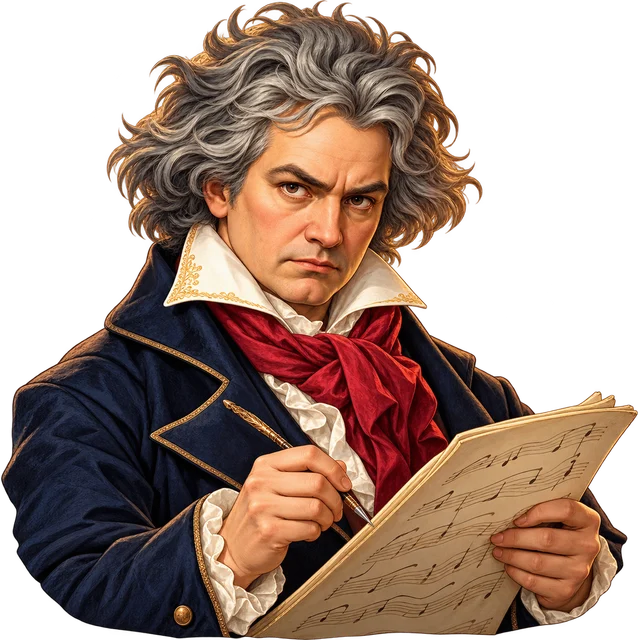
Piano · Op. 13 · 1798–1799
ルートヴィヒ・ヴァン・ベートーヴェン(1770–1827)
重い和音の嵐と、心にしみる歌。20代のベートーヴェンの出世作。Thunderous chords and a heartfelt song from the young Beethoven.
PUBLIC DOMAIN RECORDING
PD / CC0 無料でダウンロードOK
WATCH ON YOUTUBE
 Beethoven Sonata No. 8 in C minor Op. 13 "Pathétique" Live - Lisitsa
Valentina Lisitsa QOR Records Official channel(YouTube) YouTube で開く ↗
Beethoven Sonata No.8 “Pathétique” (Score) Paul Barton, FEURICH piano
Paul Barton(YouTube) YouTube で開く ↗
左の音源は権利が切れた録音なのでダウンロードできます。右の動画は YouTube の公式の埋め込みで見るもので、ダウンロードはできません(動画の権利は各チャンネルにあります)。
 もっと名演を観る YouTube で何百万回も再生された人気の演奏
Beethoven – Pathetique Sonata 2nd Movement
Kassia(YouTube) YouTube で開く ↗
Anastasia Huppmann plays Beethoven Piano Sonata No 8 in C minor Op 13 Pathetique
Anastasia Huppmann(YouTube) YouTube で開く ↗
Daniel Barenboim plays Beethoven Sonata No. 8 Op. 13 (Pathetique)
David Long Music(YouTube) YouTube で開く ↗
Beethoven Piano Sonata "Pathétique" No.8 in C minor, Op.13
Traum Piano(YouTube) YouTube で開く ↗

ホー!第2楽章のメロディーは、アメリカのビリー・ジョエルの曲にも使われているよ。
 この曲のおはなし The Story
ピアノ・ソナタ第8番「悲愴」は、ベートーヴェンが20代後半の1798年ごろに書き、1799年に出版されたピアノ曲です。「悲愴」とは、悲しみや苦しみなど、深い感情があふれているという意味。この題は出版のときに楽譜につけられたもので、ベートーヴェンも認めていたと考えられています。Beethoven wrote Piano Sonata No. 8, the "Pathétique," around 1798, in his late twenties, and it was published in 1799. "Pathétique" means full of deep feelings, such as sadness and pain. The title appeared on the first printed edition, and Beethoven seems to have agreed to it.
曲は、重くゆっくりした和音の序奏「グラーヴェ」で始まり、そこから一気に速くはげしい部分へなだれこみます。この序奏は楽章の途中にも顔を出し、ドラマを盛り上げます。第2楽章はゆったりと歌う美しいメロディーで、ピアノがまるで人の声のように歌います。ベートーヴェンは当時、ウィーンでピアノの名手として人気を集めていました。The sonata opens with a slow, heavy introduction marked Grave, then suddenly rushes into a fast, fiery section. The slow introduction returns later in the movement to add drama. The second movement is a calm and beautiful song, where the piano sings almost like a human voice. At this time, Beethoven was famous in Vienna as a brilliant pianist.
この曲は出版されるとたちまち評判になり、若い音楽ファンを夢中にさせました。のちのピアニスト、モシェレスは子どものころ、先生から「そんな風変わりな曲は弾いてはいけない」と注意されたと書き残しています。今では、ピアノを学ぶ多くの人が出会う名曲です。The sonata became popular as soon as it was published, and young music lovers were excited by it. The pianist Ignaz Moscheles later wrote that, as a boy, his teacher warned him not to play such a strange, wild piece. Today many piano students study it.
This piano music has strong feelings. It starts with heavy, dark chords. Then it becomes fast and exciting. The second part is a slow and beautiful song. Young people loved it in Beethoven's time.このピアノ曲には強い気持ちがこめられています。重くて暗い和音で始まります。それから速くてわくわくする音楽になります。2つ目の楽章は、ゆっくりした美しい歌です。ベートーヴェンの時代の若者たちは、この曲が大好きでした。
 聴きどころ Listening Guide
 えっ!?ネタ Surprising Facts
 タップすると答えが開きます
ピアニストのモシェレスは10歳ごろ、友だちからこの曲のことを知って夢中になりました。ところが先生は「そんな風変わりな曲を弾くのはやめなさい」と注意したと、本人が書き残しています。当時はそれほど新しく、刺激的な音楽だったのです。
When the pianist Moscheles was about ten, he heard about this sonata from a schoolmate and fell in love with it. But his teacher told him not to play such strange music, as Moscheles later wrote. It was that new and exciting at the time.
アメリカの歌手ビリー・ジョエルの『ディス・ナイト』(1983年)のサビは、この曲の第2楽章のメロディーを使っています。200年近く前のメロディーが、ポップスとして生まれ変わったのです。
The chorus of Billy Joel's song "This Night" (1983) uses the melody of the second movement. A tune almost 200 years old was reborn as a pop song.
ベートーヴェンのピアノ・ソナタ32曲には「月光」「熱情」などの愛称がたくさんありますが、ほとんどは他人がつけたものです。「悲愴」は、ベートーヴェン自身が認めたと考えられる、数少ない題名のひとつです。
Many of Beethoven's 32 piano sonatas have nicknames, such as "Moonlight" and "Appassionata," but most were given by other people. "Pathétique" is one of the few titles that Beethoven himself seems to have approved.
ベートーヴェンは、交響曲第5番「運命」やピアノ協奏曲第3番など、とくに力をこめた劇的な曲をよくハ短調で書きました。この「悲愴」もそのひとつで、ベートーヴェンらしいはげしさがよく表れています。
Beethoven often used C minor for his most dramatic works, such as the Fifth Symphony and the Third Piano Concerto. The "Pathétique" is one of them, and it shows his fiery side very clearly.
ENGLISH × MASTERPIECE
 strike a chord (with ~) は『~の心にひびく』。和音(chord)を鳴らすイメージです。
 この曲で覚える英単語 Words
 クイズに挑戦 Quiz
 この録音について(著作権・出典) Credits
MORE MASTERPIECES
パーセル・by 1689
「わたしを覚えていて」。くり返す低音にのせた、胸をうつ別れの歌。
歌劇「ダイドーとエネアス」より「ダイドーの嘆き」のページへパーセル・1695
ブリテンが「オーケストラ入門」のテーマに選んだ、かっこいいメロディー。
劇音楽「アブデラザール」より ロンドのページへ
バッハ・c. 1703–1707 (?)
音楽の授業でおなじみ!4つの声が同じテーマで追いかけっこ。
小フーガ ト短調のページへバッハ・c. 1706–1713
足が弾く低いテーマが21回!重くて壮大な、オルガンの大建築。
パッサカリアとフーガ ハ短調のページへバッハ・c. 1707–1710 (?)
キラキラの駆け上がりで幕開け!若きバッハのはなやかな鍵盤ショー。
トッカータ ニ長調のページへ
ヴィヴァルディ・published 1711
2本のヴァイオリンが火花を散らす!バッハも編曲した熱い協奏曲。
協奏曲集『調和の霊感』第8番 イ短調(2つのヴァイオリンのための協奏曲)のページへ
ヘンデル・1711
「泣かせてください」と歌う、深い悲しみに満ちた名アリア。
私を泣かせてください(歌劇『リナルド』より)のページへ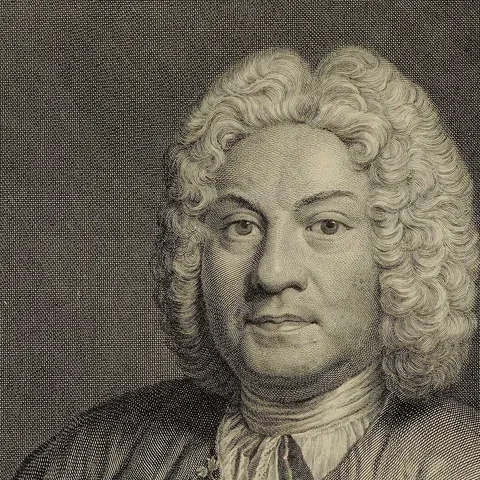
クープラン・published 1717
題名の意味はだれも知らない!やわらかく波打つ、なぞの名曲。
神秘的なバリケードのページへ MP3