
テ・デウム
Te Deum
シャルパンティエ・c. 1688–1698
パンパカパーン!ヨーロッパのテレビの幕開けを飾ってきた、ごうかな前奏曲。
テ・デウム ニ長調のページへ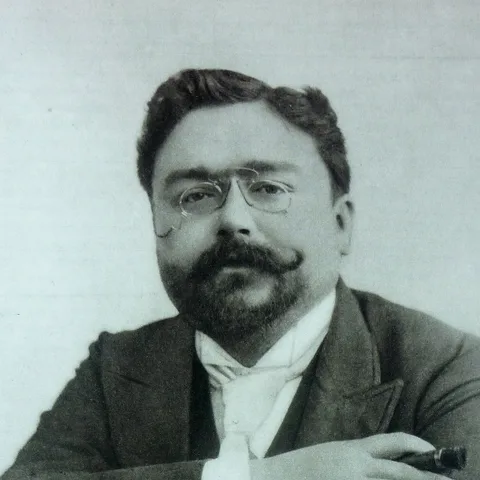
Piano · Op. 47 No. 3 · c. 1886
イサーク・アルベニス(1860–1909)
お祭りだ!手拍子とカスタネットが聞こえてきそうな、陽気な踊り。Fiesta time! You can almost hear the clapping and castanets.
PUBLIC DOMAIN RECORDING
CC BY-SA 3.0 無料でダウンロードOKWATCH ON YOUTUBE
 SEVILLA (ISAAC ALBÉNIZ) performed by Andrea González Caballero - Suite Española op.47
Andrea Gonzalez Caballero(YouTube) YouTube で開く ↗
Isaac Albéniz's "Sevilla" performed by Adam del Monte on a 2023 Erez Perelman classical guitar
Guitar Salon International(YouTube) YouTube で開く ↗
左の音源は権利が切れた録音なのでダウンロードできます。右の動画は YouTube の公式の埋め込みで見るもので、ダウンロードはできません(動画の権利は各チャンネルにあります)。
 もっと名演を観る YouTube で何百万回も再生された人気の演奏
Eleonora Perretta plays Sevilla by Isaac Albeniz on a 2021 Dietmar Heubner Classical Guitar
SiccasGuitars(YouTube) YouTube で開く ↗
ホー!「作品47」という番号は、アルベニスの死後に出版社がつけたものなんだ。
 この曲のおはなし The Story
「セビーリャ」は、イサーク・アルベニスのピアノ曲集「スペイン組曲 第1集」の3曲目です。セビーリャはスペイン南部アンダルシア地方の大きな町。春のお祭り「フェリア」で人びとが踊る「セビリャーナス」という踊りがもとになっていて、明るくはずむリズムと、手拍子やカスタネットを思わせる響きにあふれています。'Sevilla' is the third piece in Albéniz's Suite española No. 1 for piano. Seville is a large city in Andalusia, in southern Spain. The piece is based on the sevillanas, a dance people enjoy at the city's spring fair, the Feria. It is full of bouncy rhythms and sounds that remind us of clapping and castanets.
この曲は1886年ごろに作られました。この組曲が最初に出版されたときは、「グラナダ」「カタルーニャ」「セビーリャ」「キューバ」の4曲だけでした。「セビーリャ」のまん中ではテンポが落ち、しっとりとした歌が聞こえてきます。セビーリャの聖週間の行列で歌われる「サエタ」という歌を思わせる、と言われる部分です。The piece was written around 1886. When the suite was first published, it had only four pieces: 'Granada', 'Cataluña', 'Sevilla' and 'Cuba'. In the middle of 'Sevilla', the music slows down, and a quiet, heartfelt song appears. Some say it sounds like a saeta, a song sung during the Holy Week processions in Seville.
アルベニスが生きていた1901年に、出版社ドテシオから全8曲の版が出ました。アルベニスが亡くなったあとの1912年には、ドイツの出版社ホフマイスターが8曲版を出し直し、「作品47」という番号をつけました。「セビーリャ」はギターに編曲されて大人気になり、今ではピアノよりもギターで聴く機会のほうが多いと言われるほどです。In 1901, while Albéniz was still alive, the publisher Dotesio released an eight-piece version. In 1912, after Albéniz had died, the German publisher Hofmeister published the eight pieces again and gave them the number Op. 47. 'Sevilla' became very popular on the guitar. Today, it is said to be heard more often on guitar than on piano.
This is a happy dance from Seville, a city in Spain. People dance it at a big spring festival. You can almost hear hands clapping! In the middle, the music becomes slow and quiet. Today many people play it on the guitar.これはスペインの町、セビーリャの楽しい踊りです。人びとは春の大きなお祭りでこの踊りを踊ります。手をたたく音が聞こえてきそうです!まん中で、音楽はゆっくり静かになります。今では、たくさんの人がギターでこの曲を弾きます。
 聴きどころ Listening Guide
 えっ!?ネタ Surprising Facts
 タップすると答えが開きます
「作品47」という番号は、アルベニスの死後、1912年版を出した出版社ホフマイスターがつけたものです。この番号は、アルベニスがほかの曲を書いた順番とは関係がありません。アルベニス自身も出版社も作品番号をかなり気ままにつけていたため、番号から作曲年を知ることはできないのです。
The number Op. 47 was given by the publisher Hofmeister for its 1912 edition, after Albéniz died. The number has nothing to do with the order of his other works. Albéniz and his publishers gave opus numbers quite freely, so you cannot tell when a piece was written from its number.
全8曲版で加わった1曲が、ギターの名曲として有名な「アストゥリアス」です。もとは別の曲集の「前奏曲」でした。しかも北スペインのアストゥリアス地方とはあまり関係がなく、南のアンダルシアのフラメンコ風のリズムで書かれています。地名と中身がずれている曲もあるのです。
One of the pieces added to the eight-piece version was 'Asturias', now a famous guitar piece. It was first a 'Prelude' in another set. And it has little to do with Asturias in northern Spain; it uses flamenco-style rhythms from Andalusia in the south. Some titles do not match the music!
「セビーリャ」は20世紀の初めごろからギターで弾かれるようになり、ギター奏者の定番曲になりました。かき鳴らす和音や、はじく音の響きが、ピアノ版よりもスペインらしく聞こえると感じる人も多いのです。それでもアルベニス自身は、ギターの曲を1曲も書いていません。
From the early 20th century, 'Sevilla' was played on the guitar and became a favorite of guitarists. Many people feel that the strummed chords and plucked notes sound even more Spanish on the guitar. Yet Albéniz never wrote a single piece for the guitar himself.
この組曲の最初の4曲は、1887年、スペインの王妃をたたえてまとめられました。そのころのアルベニスは20代後半で、人気ピアニストとして活躍していました。のちに世界的な作曲家となるアルベニスの、出発点のひとつとなった曲集です。
The first four pieces were put together in 1887 in honor of the Queen of Spain. At that time, Albéniz was in his late twenties and was a popular pianist. This suite was one of the first steps in his career as a world-famous composer.
ENGLISH × MASTERPIECE
 劇作家デニスの雷の効果音が、彼の劇の打ち切り後、同じ劇場の別の劇で使われた話が由来とされます。
 この曲で覚える英単語 Words
 クイズに挑戦 Quiz
 この録音について(著作権・出典) Credits
MORE MASTERPIECES
シャルパンティエ・c. 1688–1698
パンパカパーン!ヨーロッパのテレビの幕開けを飾ってきた、ごうかな前奏曲。
テ・デウム ニ長調のページへクラーク・c. 1700
結婚式の大定番。でも作曲者は長いあいだ取りちがえられていた!
トランペット・ヴォランタリー(デンマーク王子の行進)のページへ
バッハ・c. 1707–1710 (?)
キラキラの駆け上がりで幕開け!若きバッハのはなやかな鍵盤ショー。
トッカータ ニ長調のページへ
ヴィヴァルディ・published 1711
2本のヴァイオリンが火花を散らす!バッハも編曲した熱い協奏曲。
協奏曲集『調和の霊感』第8番 イ短調(2つのヴァイオリンのための協奏曲)のページへヴィヴァルディ・c. 1715
オクターブがぴょんぴょん跳ねる!喜びがはじける合唱の名曲。
グローリア ニ長調のページへ
テレマン・c. 1710–1720 (?)
バルブのないラッパで高音をきらり!バロックのトランペットの晴れ舞台。
トランペット協奏曲 ニ長調のページへ
ヘンデル・1717
テムズ川の船の上で国王のために!夏の夜の水上コンサート。
水上の音楽のページへバッハ・1720
止まらない!キラキラ走る、ヴァイオリン1本の大はしゃぎ。
無伴奏ヴァイオリン・パルティータ第3番 ホ長調より「プレリュード」のページへ
 MP3