In compliance with the request of a friend of mine, who wrote me from the East, I called on good-natured, garrulous old Simon Wheeler, and inquired after my friend's friend, Leonidas W. Smiley, as requested to do, and I hereunto append the result. I have a lurking suspicion that Leonidas W. Smiley is a myth that my friend never knew such a personage; and that he only conjectured that if I asked old Wheeler about him, it would remind him of his infamous Jim Smiley, and he would go to work and bore me to death with some exasperating reminiscence of him as long and as tedious as it should be useless to me. If that was the design, it succeeded.
東部の友人から手紙で頼まれたので、わたしは、人のいい、おしゃべりなサイモン・ウィーラーじいさんを訪ねた。そして頼まれたとおり、友人の友人だというレオニダス・W・スマイリーのことをたずねてみた。その結果を、ここに書いておく。じつは、ひそかに疑っていることがある。レオニダス・W・スマイリーなどという人物は、もともといないのではないか。友人は、そんな男など知りもしないのではないか。友人はただ、こう見こんだだけではないだろうか。わたしがウィーラーじいさんにその男のことをきけば、じいさんは、あの悪名高いジム・スマイリーのことを思い出す。そして、ジム・スマイリーのいらいらするような思い出話を始めて、わたしを死ぬほど退屈させるだろう。その話は長くて、うんざりするほど退屈で、しかもわたしには何の役にも立たないだろう、と。もしそれがねらいだったのなら、ねらいはみごとに当たった。
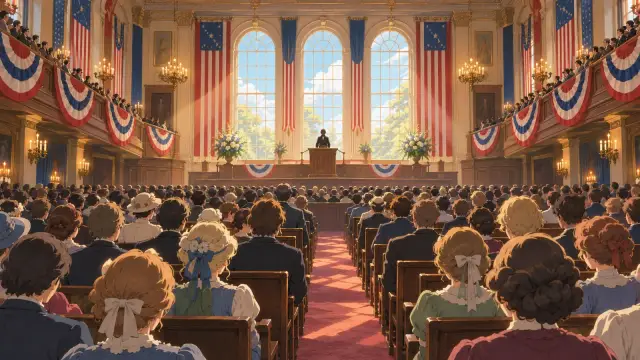
I found Simon Wheeler dozing comfortably by the bar-room stove of the dilapidated tavern in the decayed mining camp of Angel's, and I noticed that he was fat and bald-headed, and had an expression of winning gentleness and simplicity upon his tranquil countenance. He roused up, and gave me good day. I told him that a friend of mine had commissioned me to make some inquiries about a cherished companion of his boyhood named Leonidas W. Smiley—Rev. Leonidas W. Smiley, a young minister of the Gospel, who he had heard was at one time resident of Angel's Camp. I added that if Mr. Wheeler could tell me anything about this Rev. Leonidas W. Smiley, I would feel under many obligations to him.
サイモン・ウィーラーは、エンジェルズというさびれた鉱山町の、ぼろぼろの居酒屋にいた。酒場のストーブのそばで、気持ちよさそうに居眠りをしていた。見ると、太っていて、頭ははげていて、おだやかな顔には、人をひきつけるやさしさと素朴さが浮かんでいた。じいさんは目をさまして、こんにちはとあいさつした。わたしは、こう話した。友人から、レオニダス・W・スマイリーという人のことを問い合わせてくれと頼まれた。友人の少年時代の大切な仲間で、レオニダス・W・スマイリー師という若い牧師だ。一時、このエンジェルズ・キャンプに住んでいたと聞いている、と。そして、もしこのレオニダス・W・スマイリー師のことを何か話してもらえたら、大変ありがたいのだが、と言い添えた。
Simon Wheeler backed me into a corner and blockaded me there with his chair, and then sat down and reeled off the monotonous narrative which follows this paragraph. He never smiled, he never frowned, he never changed his voice from the gentle flowing key to which he tuned his initial sentence, he never betrayed the slightest suspicion of enthusiasm; but all through the interminable narrative there ran a vein of impressive earnestness and sincerity, which showed me plainly that, so far from his imagining that there was anything ridiculous or funny about his story, he regarded it as a really important matter, and admired its two heroes as men of transcendent genius in 'finesse.' I let him go on in his own way, and never interrupted him once.
サイモン・ウィーラーは、わたしを部屋の隅に追いつめ、椅子を置いて出られないようにしてしまった。それから腰をおろして、このあとに続く、だらだらと単調な話を、とうとうと語りはじめた。じいさんは一度も笑わず、一度も顔をしかめなかった。最初のひと言で決めた、おだやかに流れるような調子から、一度も声の調子を変えなかった。熱がこもっているそぶりさえ、少しも見せなかった。それでいて、果てしなく続く話の中には、はっとするほどのまじめさと誠実さが、ずっと流れていた。それを聞いていると、はっきりわかった。じいさんは、自分の話にばかばかしいところやおかしなところがあるなどとは、夢にも思っていない。それどころか、本当に大事な話だと思っている。そして話に出てくる二人の主人公を、「かけひき」にかけてはずばぬけた天才だと、心から感心しているのだ。わたしは、じいさんの好きなように話させ、一度も口をはさまなかった。
"Rev. Leonidas W. H'm, Reverend Le—well, there was a feller here, once by the name of Jim Smiley, in the winter of '49—or maybe it was the spring of '50—I don't recollect exactly, somehow, though what makes me think it was one or the other is because I remember the big flume warn't finished when he first come to the camp; but anyway, he was the curiousest man about always betting on anything that turned up you ever see, if he could get anybody to bet on the other side; and if he couldn't he'd change sides. Any way that suited the other man would suit HIM—any way just so's he got a bet, he was satisfied. But still he was lucky, uncommon lucky; he most always come out winner. He was always ready and laying for a chance; there couldn't be no solit'ry thing mentioned but that feller'd offer to bet on it, and take ary side you please, as I was just telling you. If there was a horse-race, you'd find him flush or you'd find him busted at the end of it; if there was a dog-fight, he'd bet on it; if there was a cat-fight, he'd bet on it; if there was a chicken-fight, he'd bet on it; why, if there was two birds setting on a fence, he would bet you which one would fly first; or if there was a camp-meeting, he would be there reg'lar to bet on Parson Walker, which he judged to be the best exhorter about here, and so he was too, and a good man. If he even see a straddle-bug start to go anywheres, he would bet you how long it would take him to get to—to wherever he was going to, and if you took him up, he would foller that straddle-bug to Mexico but what he would find out where he was bound for and how long he was on the road. Lots of the boys here has seen that Smiley, and can tell you about him. Why, it never made no difference to him—he'd bet on any thing—the dangdest feller. Parson Walker's wife laid very sick once, for a good while, and it seemed as if they warn't going to save her; but one morning he come in, and Smiley up and asked him how she was, and he said she was considerable better—thank the Lord for his inf'nite mercy—and coming on so smart that with the blessing of Prov'dence she'd get well yet; and Smiley, before he thought, says, 'Well, I'll resk two-and-a-half she don't anyway.'
「レオニダス・W師……。ふむ、レ師、と……。まあ、昔ここに、ジム・スマイリーって男がおったよ。四九年の冬だったか、いや、五〇年の春だったかもしれん。どういうわけか、はっきりとは覚えとらんがね。どっちかだと思うのは、あいつがはじめてこの町に来たとき、でっかい水路がまだできあがっとらんかったのを覚えとるからさ。とにかく、あいつは、何でもかんでも、目の前で起こったことには年がら年じゅう賭けたがる、あんたが見たこともないような、いちばんけったいな男だった。反対のほうに賭けてくれるやつさえ見つかればな。見つからなけりゃ、自分のほうが賭ける側を変えるんだ。相手の気に入るやり方なら、あいつはどんなやり方でもよかった。とにかく賭けさえできりゃ、満足だったのさ。それでいて運がよかった、並はずれて運がよかったんだ。たいていいつも勝っとった。いつだって準備万端で、チャンスを待ちかまえとった。何かひとつでも話に出りゃ、あいつはそれに賭けようと言いだして、今も話したとおり、どっちでも好きなほうを取らせてくれるんだ。競馬があれば、終わったときには、あいつは大もうけしとるか、すっからかんになっとるかのどっちかだった。犬のけんかがあれば、それに賭けた。猫のけんかがあれば、それに賭けた。闘鶏があれば、それに賭けた。なに、柵に鳥が二羽とまっとりゃ、どっちが先に飛び立つか賭けようって言うんだ。野外の伝道集会があれば、きまって出かけていって、ウォーカー牧師に賭けた。あいつはウォーカー牧師がこのあたりでいちばんの説教師だと見こんどったし、実際そのとおりで、いい人だったよ。足の長い虫がどこかへ歩きだすのを見かけただけでも、そいつが行き先まで、どこへ行くにしろ、着くのにどれだけかかるか賭けようって言いだしたもんだ。それで、もしあんたがその賭けに乗ったら、あいつは、その虫がどこへ向かっとるのか、道中どれだけかかったのか突きとめるまで、メキシコまでだって虫のあとをついていっただろうよ。ここいらの連中で、あのスマイリーを見たことのあるやつはたくさんおるから、話を聞かせてくれるさ。なにしろ、あいつにとっちゃ、何に賭けようとおんなじだったんだ。どんなものにでも賭けた。まったく、とんでもないやつさ。いつだったか、ウォーカー牧師の奥さんが、長いこと重い病気で寝こんで、とても助かりそうにないことがあった。ところがある朝、牧師がやってきたんで、スマイリーがさっそく、奥さんの具合はどうかとたずねた。すると牧師は、だいぶよくなりました、主の限りないお慈悲に感謝します、めきめきよくなっとるから、神さまのお恵みがあれば、きっとまた元気になるでしょう、と言った。するとスマイリーは、思わず、こう言ったんだ。『じゃあ、どっちみち治らんほうに、二ドル半賭けますぜ』とな。
"Thish-yer Smiley had a mare—the boys called her the fifteen-minute nag, but that was only in fun, you know, because of course she was faster than that—and he used to win money on that horse, for all she was so slow and always had the asthma, or the distemper, or the consumption, or something of that kind. They used to give her two or three hundred yards' start, and then pass her under way; but always at the fag end of the race she get excited and desperate like, and come cavorting and straddling up, and scattering her legs around limber, sometimes in the air, and sometimes out to one side among the fences, and kicking up m-o-r-e dust and raising m-o-r-e racket with her coughing and sneezing and blowing her nose—and always fetch up at the stand just about a neck ahead, as near as you could cipher it down.
「このスマイリーは、雌馬を一頭飼っとった。連中はそいつを『十五分馬』と呼んどったが、もちろん冗談だよ、わかるだろう。本当はもっと速かったからな。それで、あいつはその馬でよく金をもうけとった。とても足がのろくて、いつもぜんそくだか、ジステンパーだか、肺病だか、何かそんなようなものをわずらっとったのにな。連中はいつも、その馬に二、三百ヤード先に行かせてやってから、とちゅうで追い越したもんだ。ところが、レースのいちばんおしまいになると、いつも馬は興奮して、死にものぐるいみたいになって、跳ねまわりながら大またで駆けてくるんだ。脚をくにゃくにゃとあちこちに放り出してな。ときには宙に、ときには横の柵のあいだに脚を投げ出して、もうもうと土ぼこりを巻き上げ、せきやくしゃみや鼻をかむ音で、ものすごい騒ぎを起こす。そうして、いつも、ざっと見積もってちょうど首ひとつだけ先に、ゴールの台のところに着くんだよ。
"And he had a little small bull-pup, that to look at him you'd think he warn't worth a cent but to set around and look ornery and lay for a chance to steal something. But as soon as money was up on him he was a different dog; his under-jaw'd begin to stick out like the fo'castle of a steamboat, and his teeth would uncover and shine like the furnaces. And a dog might tackle him and bully-rag him, and bite him, and throw him over his shoulder two or three times, and Andrew Jackson—which was the name of the pup—Andrew Jackson would never let on but what he was satisfied, and hadn't expected nothing else—and the bets being doubled and doubled on the other side all the time, till the money was all up; and then all of a sudden he would grab that other dog jest by the j'int of his hind leg and freeze to it—not chaw, you understand, but only just grip and hang on till they throwed up the sponge, if it was a year. Smiley always come out winner on that pup, till he harnessed a dog once that didn't have no hind legs, because they'd been sawed off in a circular saw, and when the thing had gone along far enough, and the money was all up, and he come to make a snatch for his pet holt, he see in a minute how he'd been imposed on, and how the other dog had him in the door, so to speak, and he 'peared surprised, and then he looked sorter discouraged-like and didn't try no more to win the fight, and so he got shucked out bad. He give Smiley a look, as much as to say his heart was broke, and it was his fault, for putting up a dog that hadn't no hind legs for him to take holt of, which was his main dependence in a fight, and then he limped off a piece and laid down and died. It was a good pup, was that Andrew Jackson, and would have made a name for hisself if he'd lived, for the stuff was in him and he had genius—I know it, because he hadn't no opportunities to speak of, and it don't stand to reason that a dog could make such a fight as he could under them circumstances if he hadn't no talent. It always makes me feel sorry when I think of that last fight of his'n, and the way it turned out.
「それから、あいつは小さなブルドッグの子犬を飼っとった。見たところ、そこらに座ってふてくされた顔をして、何か盗むチャンスをねらっとるほかは、一セントの値打ちもなさそうな犬だった。ところが、そいつに金が賭けられたとたん、別の犬になるんだ。下あごが蒸気船の船首みたいに突き出してきて、歯がむき出しになって、かまどの火みたいにぎらぎら光るんだよ。相手の犬が飛びかかってきて、いじめて、かみついて、二度も三度も肩ごしに投げ飛ばしても、アンドリュー・ジャクソンは、それがその子犬の名前だったんだが、アンドリュー・ジャクソンは、これで満足だ、はじめからこうなると思っとった、って顔をしとるんだ。そのあいだ、相手の犬に賭ける金はどんどん倍になっていって、とうとう金がみんな賭けられちまう。するとそのとたん、そいつは相手の犬の後ろ脚の関節を、がぶりとくわえて、くっついて離れんのだ。かむんじゃない、わかるかね、ただくわえて、相手が降参するまでぶら下がっとるんだ。たとえ一年かかってもな。スマイリーは、あの子犬でいつも勝っとった。ところがあるとき、後ろ脚のない犬と勝負させたことがあった。丸のこで、後ろ脚を切り落とされちまった犬さ。勝負がだいぶ進んで、金がみんな賭けられて、子犬がいつもの得意の場所に食いつこうとしたとき、子犬はすぐに気づいた。自分がいっぱい食わされたこと、いわば相手にしてやられたことにな。子犬は驚いたようだったが、それから、なんだかがっかりしたような顔になって、もう勝とうとはしなくなった。それで、さんざんにやっつけられちまったんだ。子犬はスマイリーをひと目見た。胸がはりさけそうだ、けんかのときのいちばんの頼みの綱の、くわえつく後ろ脚がない犬と勝負させるなんて、あんたのせいだ、と言わんばかりにな。それから、足を引きずって少し離れたところへ行って、横になって、死んじまった。いい子犬だったよ、あのアンドリュー・ジャクソンは。生きとったら、名をあげとっただろう。素質があったし、天才だったんだ。わしにはわかる。あいつには、これといった機会もなかった。それなのに、あんなありさまであれだけのけんかができたんだ。才能がなけりゃ、そんなことができるわけがないからな。あいつの最後のけんかと、あのなりゆきを思い出すと、いつも気の毒になるよ。
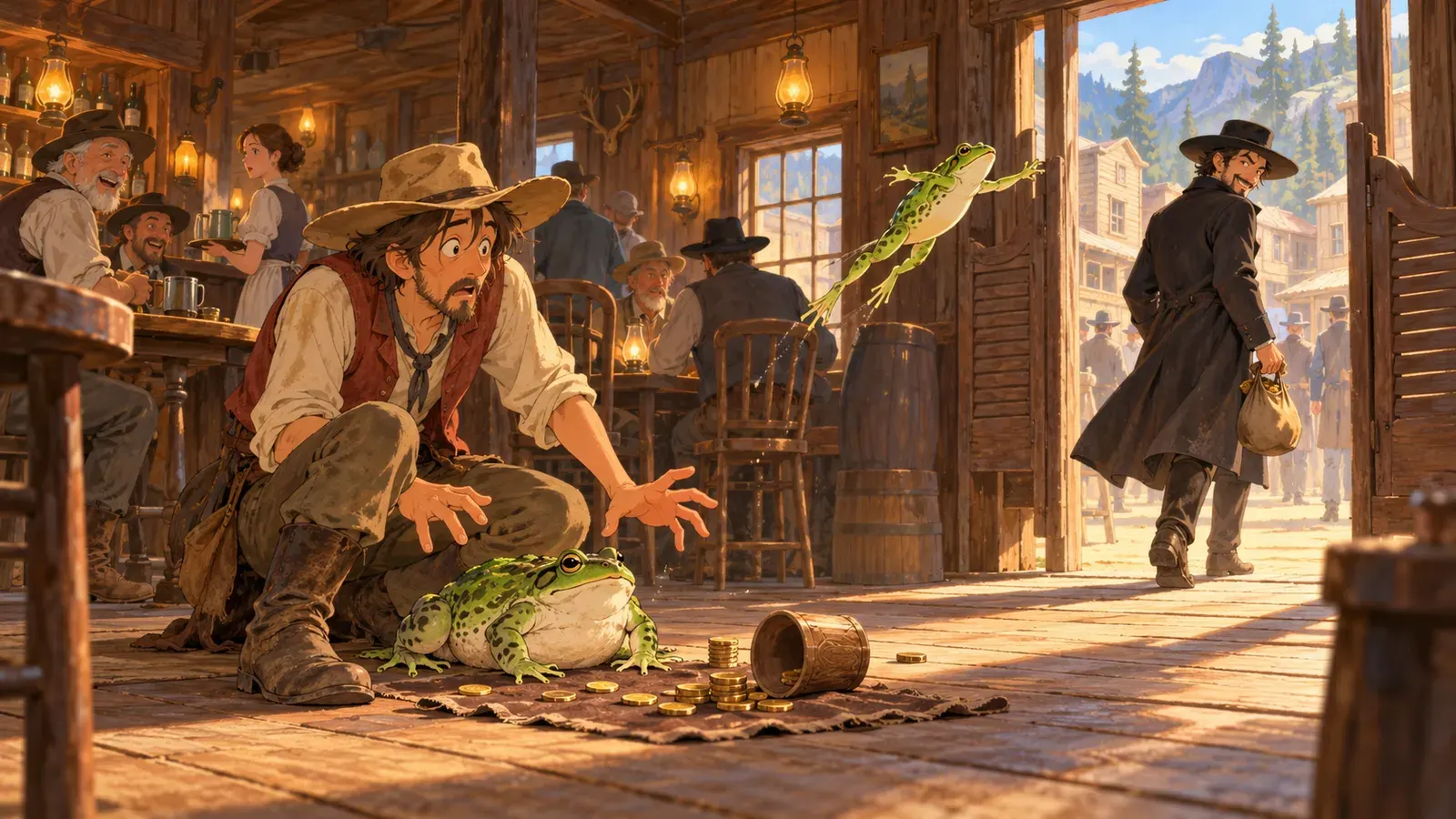
"Well, thish-yer Smiley had rat-tarriers, and chicken cocks, and tomcats and all them kind of things, till you couldn't rest, and you couldn't fetch nothing for him to bet on but he'd match you. He ketched a frog one day, and took him home, and said he cal'lated to educate him; and so he never done nothing for three months but set in his back yard and learn that frog to jump. And you bet you he did learn him, too. He'd give him a little punch behind, and the next minute you'd see that frog whirling in the air like a doughnut—see him turn one summerset, or maybe a couple, if he got a good start, and come down flat-footed and all right, like a cat. He got him up so in the matter of ketching flies, and kep' him in practice so constant, that he'd nail a fly every time as fur as he could see him. Smiley said all a frog wanted was education, and he could do 'most anything—and I believe him. Why, I've seen him set Dan'l Webster down here on this floor—Dan'l Webster was the name of the frog—and sing out, 'Flies, Dan'l, flies!' and quicker'n you could wink he'd spring straight up and snake a fly off'n the counter there, and flop down on the floor ag'in as solid as a gob of mud, and fall to scratching the side of his head with his hind foot as indifferent as if he hadn't no idea he'd been doin' any more'n any frog might do. You never see a frog so modest and straightfor'ard as he was, for all he was so gifted. And when it come to fair and square jumping on a dead level, he could get over more ground at one straddle than any animal of his breed you ever see. Jumping on a dead level was his strong suit, you understand; and when it come to that, Smiley would ante up money on him as long as he had a red. Smiley was monstrous proud of his frog, and well he might be, for fellers that had traveled and been everywheres all said he laid over any frog that ever they see.
「さて、このスマイリーは、ネズミ取りのテリアやら、闘鶏のおんどりやら、雄猫やら、そういうたぐいのものをいろいろ飼っとって、こっちは休むひまもなかった。あいつに賭けさせようと何を持っていっても、必ず受けて立つんだ。ある日、あいつはカエルを一匹つかまえて、家に持って帰って、こいつを教育するつもりだと言った。それで三か月のあいだ、裏庭に座りこんで、そのカエルに跳ぶことを教えるほかは、何もしなかった。そして、ほんとうに教えこんだんだよ、まちがいない。後ろからちょっとつついてやると、次の瞬間には、そのカエルがドーナツみたいに宙でくるくる回っとるんだ。うまく勢いがつけば、宙返りを一回、いや二回もやって、猫みたいに、足からぺたりとちゃんと着地するんだ。ハエをつかまえることにかけても、仕込みに仕込んで、休みなく練習させたもんだから、目に見えるところのハエなら、毎回しとめるようになった。スマイリーは、カエルに必要なのは教育だけだ、教育さえあればたいていのことはできる、と言っとった。わしもそう思うね。なにしろ、わしは見たんだ。あいつがダニエル・ウェブスターをここの床に置いた。ダニエル・ウェブスターってのが、そのカエルの名前だった。そして『ハエだ、ダニエル、ハエだ!』と叫ぶと、まばたきするより早く、そいつがまっすぐ跳び上がって、そこのカウンターからハエを一匹さらって、泥のかたまりみたいにどすんと床に落ちてくる。そして、ほかのカエルにできる以上のことをしたなんて思いもしないみたいに、知らん顔で、後ろ足で頭のわきをかきはじめるんだ。あんなに才能があるのに、あれほど謙虚で正直なカエルは、見たことがないよ。それに、平らな地面できちんと公平に跳ぶことにかけちゃ、ひと跳びで、あんたが見たことのある同じ種類のどんな動物よりも遠くまで跳べた。平らな地面で跳ぶのが、あいつのいちばんの得意だったんだ、わかるかね。それで、そういう勝負になると、スマイリーは一セントでも残っとるかぎり、そいつに金を賭けた。スマイリーはそのカエルがものすごく自慢で、それも当然だったよ。旅をしてどこへでも行ったことのある連中が、口をそろえて、今まで見たどんなカエルよりもすごいと言っとったからな。
"Well, Smiley kep' the beast in a little lattice box, and he used to fetch him down-town sometimes and lay for a bet. One day a feller—a stranger in the camp, he was—come acrost him with his box, and says:
「さて、スマイリーはそいつを小さな格子の箱に入れておいて、ときどき町へ持って出ては、賭けの相手を待ちかまえとった。ある日、町によそから来た男が、箱を持っとるあいつに出くわして、こう言った。
"'What might it be that you've got in the box?'
「『その箱の中に入っとるのは、何なのかね?』
"And Smiley says, sorter indifferent-like, 'It might be a parrot, or it might be a canary, maybe, but it ain't—it's only just a frog.'
「するとスマイリーは、なんだか気のないふりをして言った。『オウムかもしれんし、カナリアかもしれんがね、そうじゃない。ただのカエルさ』
"And the feller took it, and looked at it careful, and turned it round this way and that, and says, 'H'm—so 'tis. Well, what's HE good for.
「男は箱を受け取って、注意深く見て、あっちこっち回してみて、言った。『ふむ、なるほどそうだ。で、こいつは何の役に立つんだね』
"'Well,' Smiley says, easy and careless, 'he's good enough for one thing, I should judge—he can outjump any frog in Calaveras County.
「『そうさな』とスマイリーは、気楽に、どうでもよさそうに言った。『ひとつのことにかけちゃ、十分役に立つと思うね。キャラヴェラス郡のどんなカエルよりも遠くまで跳べるんだ』
"The feller took the box again, and took another long, particular look, and give it back to Smiley, and says, very deliberate, 'Well,' he says, 'I don't see no p'ints about that frog that's any better'n any other frog.'
「男はまた箱を取って、もう一度長いこと念入りに見て、それをスマイリーに返して、とてもゆっくり言った。『そうかね』と男は言った。『このカエルに、ほかのカエルよりすぐれとるところなんて、わしには一つも見えんがね』
"'Maybe you don't,' Smiley says. 'Maybe you understand frogs and maybe you don't understand 'em; maybe you've had experience, and maybe you ain't only a amature, as it were. Anyways, I've got my opinion, and I'll resk forty dollars that he can outjump any frog in Calaveras County.'
「『見えんかもしれんな』とスマイリーは言った。『あんたはカエルのことがわかっとるのかもしれんし、わかっとらんのかもしれん。経験があるのかもしれんし、言ってみりゃ、ただの素人なのかもしれん。とにかく、わしにはわしの意見がある。こいつがキャラヴェラス郡のどんなカエルよりも遠くまで跳べるほうに、四十ドル賭けるよ』
"And the feller studied a minute, and then says, kinder sad-like, 'Well, I'm only a stranger here, and I ain't got no frog; but if I had a frog, I'd bet you.
「すると男はちょっと考えて、それから、なんだか悲しそうに言った。『いや、わしはここじゃよそ者で、カエルを持っとらんのだ。もしカエルを持っとったら、賭けるんだがね』
"And then Smiley says, 'That's all right—that's all right if you'll hold my box a minute, I'll go and get you a frog.' And so the feller took the box, and put up his forty dollars along with Smiley's, and set down to wait.
「するとスマイリーは言った。『そりゃかまわん、そりゃかまわんよ。ちょっとわしの箱を持っとってくれりゃ、あんたにカエルを取ってきてやる』。それで男は箱を受け取って、自分の四十ドルをスマイリーの金と一緒に賭けて、座って待った。
"So he set there a good while thinking and thinking to himself and then he got the frog out and prized his mouth open and took a teaspoon and filled him full of quail-shot—filled him pretty near up to his chin—and set him on the floor. Smiley he went to the swamp and slopped around in the mud for a long time, and finally he ketched a frog, and fetched him in, and give him to this feller and says:
「そこで男は、長いこと座りこんで、ひとりでじっくり考えとった。それから、箱からカエルを取り出して、口をこじ開けて、ティースプーンでウズラ撃ち用の散弾をいっぱい詰めこんだ。ほとんどあごのところまで詰めこんだんだ。そして、床に置いた。スマイリーのほうは沼へ行って、長いこと泥の中をばしゃばしゃやって、やっとカエルを一匹つかまえて、持ってきて、その男に渡して言った。
"'Now, if you're ready, set him alongside of Dan'l, with his fore paws just even with Dan'l's, and I'll give the word.' Then he says, 'One-two-three—git' and him and the feller touches up the frogs from behind, and the new frog hopped off lively but Dan'l give a heave, and hysted up his shoulders—so-like a Frenchman, but it warn't no use—he couldn't budge; he was planted as solid as a church, and he couldn't no more stir than if he was anchored out. Smiley was a good deal surprised, and he was disgusted too, but he didn't have no idea what the matter was of course.
「『さあ、用意ができたら、そいつをダニエルの横に置いてくれ。前足をダニエルの前足とちょうどそろえてな。わしが合図をする』。それからあいつは言った。『一、二の、三、それっ!』。あいつと男がカエルを後ろからつつくと、新しいカエルは元気よく跳んでいった。ところがダニエルは、体を持ち上げようとして、こんなふうに、フランス人みたいに両肩をぐいとすくめたが、むだだった。びくともしないんだ。教会みたいにどっしりと根を生やしちまって、錨でつながれとるみたいに、ちっとも動けなかった。スマイリーはたいそう驚いたし、がっかりもしたが、もちろん、どうしたのかさっぱりわからなかった。
"The feller took the money and started away; and when he was going out at the door, he sorter jerked his thumb over his shoulder—so—at Dan'l, and says again, very deliberate, 'Well,' he says, 'I don't see no p'ints about that frog that's any better'n any other frog.'
「男は金を受け取って、帰りかけた。そして戸口を出るとき、こんなふうに、肩ごしに親指でダニエルのほうをぐいと指さして、また、とてもゆっくり言った。『そうかね』と男は言った。『このカエルに、ほかのカエルよりすぐれとるところなんて、わしには一つも見えんがね』
"Smiley he stood scratching his head and looking down at Dan'l a long time, and at last he says, 'I do wonder what in the nation that frog throw'd off for—I wonder if there ain't something the matter with him—he 'pears to look mighty baggy, somehow.' And he ketched Dan'l by the nap of the neck, and hefted him, and says, 'Why blame my cats if he don't weigh five pound!' and turned him upside down and he belched out a double handful of shot. And then he see how it was, and he was the maddest man—he set the frog down and took out after that feller, but he never ketched him. And—"
「スマイリーは長いこと立ったまま頭をかいて、ダニエルを見下ろしとった。そして、とうとう言った。『いったいぜんたい、どうしてこのカエルは負けたんだろう。どこか具合が悪いんじゃないか。なんだか、ひどくぶくぶくふくれて見えるぞ』。そして、ダニエルの首ねっこをつかんで持ち上げてみて、言った。『こりゃたまげた、こいつ五ポンドもあるじゃないか!』。それで逆さにすると、カエルは両手にいっぱいほどの散弾を吐き出した。そこでようやく、あいつはどういうことだったのかわかって、かんかんに怒った。カエルを下に置いて、あの男を追いかけたが、とうとうつかまえられなかった。それで――」
[Here Simon Wheeler heard his name called from the front yard, and got up to see what was wanted.] And turning to me as he moved away, he said: "Just set where you are, stranger, and rest easy—I ain't going to be gone a second."
〔ここで、サイモン・ウィーラーは、前庭から名前を呼ばれるのを聞いて、何の用か見に立ち上がった。〕そして、行きかけながら、わたしのほうを振り向いて言った。「そのまま座って、のんびりしとってくれ、お客さん。すぐ戻ってくるから」
But, by your leave, I did not think that a continuation of the history of the enterprising vagabond Jim Smiley would be likely to afford me much information concerning the Rev. Leonidas W. Smiley, and so I started away.
だが、失礼ながら、わたしはこう思った。あのやり手の風来坊、ジム・スマイリーの話の続きを聞いたところで、レオニダス・W・スマイリー師のことは、たいしてわかりそうにない。それで、わたしは帰ることにした。
At the door I met the sociable Wheeler returning, and he buttonholed me and recommenced:
戸口で、わたしは、戻ってきた人なつっこいウィーラーにばったり出会った。ウィーラーはわたしを引きとめて、また話しはじめた。
"Well, thish-yer Smiley had a yaller one-eyed cow that didn't have no tail, only just a short stump like a bannanner, and—"
「さて、このスマイリーは、しっぽのない、片目の黄色い雌牛を飼っとってな。しっぽといっても、バナナみたいな短い切り株があるだけで、それで——」
However, lacking both time and inclination, I did not wait to hear about the afflicted cow, but took my leave.
けれども、時間もなければ、聞く気もなかったので、わたしはその気の毒な雌牛の話は聞かずに、その場を立ち去った。