There was once a proud teapot; it was proud of being porcelain, proud of its long spout, proud of its broad handle. It had something before and behind,—the spout before and the handle behind,—and that was what it talked about. But it did not talk of its lid, which was cracked and riveted; these were defects, and one does not talk of one's defects, for there are plenty of others to do that. The cups, the cream pot, and the sugar bowl, the whole tea service, would think much oftener of the lid's imperfections—and talk about them—than of the sound handle and the remarkable spout. The teapot knew it.
むかし、いばりやのティーポットがありました。陶磁器でできていることが自慢で、長い注ぎ口が自慢で、幅の広い取っ手が自慢でした。前にも後ろにも、自慢のものがありました。前には注ぎ口、後ろには取っ手です。ティーポットは、そのことばかり話していました。けれども、ふたのことは話しませんでした。ふたにはひびが入っていて、留め金でつないであったのです。それは欠点でした。そして、自分の欠点は自分では話さないものです。それを話してくれる者は、ほかにいくらでもいるのですから。カップやクリーム入れや砂糖つぼ、つまりお茶の道具一式は、しっかりした取っ手や見事な注ぎ口のことより、ふたの欠点のほうをずっとよく思い出し、それを話題にするのでした。ティーポットは、そのことを知っていました。
"I know you," it said within itself. "I know, too, my imperfection, and I am well aware that in that very thing is seen my humility, my modesty. Imperfections we all have, but we also have compensations. The cups have a handle, the sugar bowl a lid; I have both, and one thing besides, in front, which they can never have. I have a spout, and that makes me the queen of the tea table. I spread abroad a blessing on thirsting mankind, for in me the Chinese leaves are brewed in the boiling, tasteless water."
「おまえたちのことは、わかっているよ」と、ティーポットは心の中で言いました。「わたしは自分の欠点もわかっている。そして、まさにその欠点にこそ、わたしの謙遜とつつましさが表れていることも、よくわかっている。欠点はだれにでもある。けれども、それを埋め合わせる長所もある。カップには取っ手があり、砂糖つぼにはふたがある。わたしには両方あるうえに、前にもう一つ、あの者たちには決して持てないものがある。注ぎ口だ。これがあるから、わたしはティーテーブルの女王なのだ。わたしは、のどのかわいた人間たちに恵みをふりまく。わたしの中で、中国の葉っぱが、味もそっけもない熱湯に煮出されるのだから」
All this said the teapot in its fresh young life. It stood on the table that was spread for tea; it was lifted by a very delicate hand, but the delicate hand was awkward. The teapot fell, the spout snapped off, and the handle snapped off. The lid was no worse to speak of; the worst had been spoken of that. The teapot lay in a swoon on the floor, while the boiling water ran out of it. It was a horrid shame, but the worst was that everybody jeered at it; they jeered at the teapot and not at the awkward hand.
ティーポットは、若くてはつらつとしていたころ、そんなふうに言っていました。ある日、お茶の用意がととのったテーブルの上に置かれていると、とてもきゃしゃな手に持ち上げられました。けれども、そのきゃしゃな手は不器用でした。ティーポットは落ちて、注ぎ口が折れ、取っ手も折れてしまいました。ふたのほうは、とりたてて言うほどひどくはなりませんでした。ふたの悪口は、もう言いつくされていたのですから。ティーポットは、気を失って床に横たわりました。中からは熱湯が流れ出ていました。ひどい恥でした。けれども、一番つらかったのは、みんながティーポットをあざ笑ったことです。不器用な手ではなく、ティーポットのほうを笑ったのです。
"I never shall forget that experience," said the teapot, when it afterward talked of its life. "I was called an invalid, and placed in a corner, and the next day was given to a woman who begged for victuals. I fell into poverty, and stood dumb both outside and in. But then, just as I was, began my better life. One can be one thing and still become quite another.
「あのときのことは、決して忘れないだろう」と、ティーポットは、のちに自分の一生を語るときに言いました。「わたしは役立たずと呼ばれ、すみに置かれた。そして次の日には、食べ物をめぐんでもらいに来た女の人に、あげられてしまった。わたしは貧乏のどん底に落ち、外でも中でも、ただ黙って立っていた。ところが、ちょうどそんなありさまのときに、わたしのもっといい人生が始まったのだ。何かであったものが、まったく別のものになることもあるのだ」
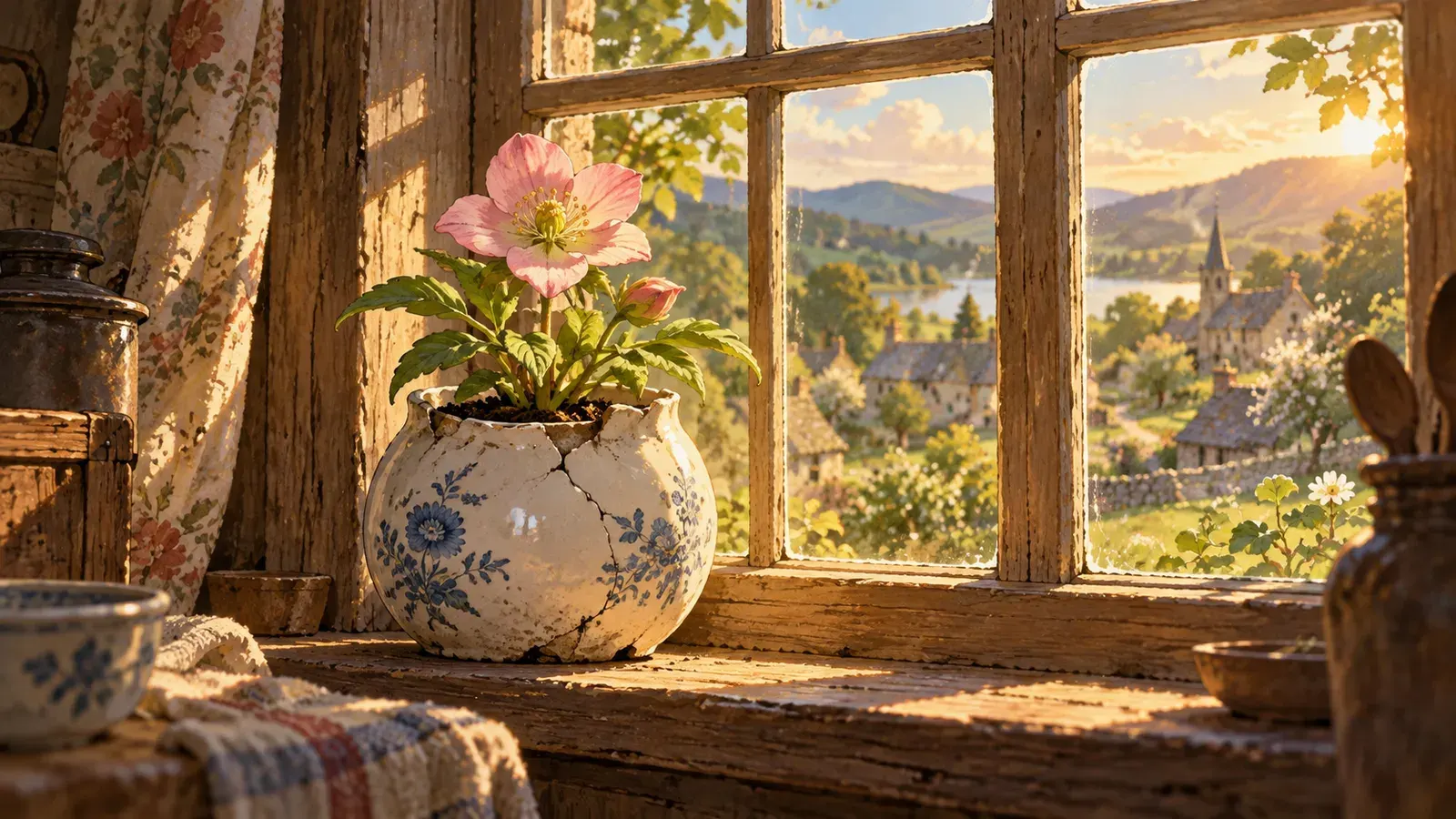
"Earth was placed in me. For a teapot, this is the same as being buried, but in the earth was placed a flower bulb. Who placed it there, who gave it, I know not; but given it was, and it became a compensation for the Chinese leaves and the boiling water, a compensation for the broken handle and spout.
「わたしの中に土が入れられた。ティーポットにとって、これは葬られるのと同じことだ。けれども、その土の中に花の球根が植えられた。だれが植えたのか、だれがくれたのか、わたしは知らない。けれども、それはわたしにあたえられた。そして、中国の葉っぱと熱湯の埋め合わせに、折れた取っ手と注ぎ口の埋め合わせになったのだ」
"And the bulb lay in the earth, the bulb lay in me; it became my heart, my living heart, such as I had never before possessed. There was life in me, power and might. The heart pulsed, and the bulb put forth sprouts; it was the springing up of thoughts and feelings which burst forth into flower.
「球根は土の中に、つまりわたしの中に横たわっていた。そして、わたしの心臓になった。生きている心臓、それまで一度も持ったことのないような心臓だ。わたしの中に命があった。力があり、勢いがあった。心臓は脈を打ち、球根は芽を出した。それは、考えや感情がわき上がり、花となって咲き出すことだった」
"I saw it, I bore it, I forgot myself in its delight. Blessed is it to forget oneself in another. The flower gave me no thanks; it did not think of me. It was admired and praised, and I was glad at that. How happy it must have been! One day I heard some one say that the flower deserved a better pot. I was thumped hard on my back, which was a great affliction, and the flower was put into a better pot. I was thrown out into the yard, where I lie as an old potsherd. But I have the memory, and that I can never lose."
「わたしはそれを見つめ、それを支えた。その喜びの中で、わたしは自分を忘れた。だれかのために自分を忘れられるのは、幸せなことだ。花はわたしにお礼を言わなかった。わたしのことなど考えもしなかった。花はほめそやされ、たたえられた。わたしはそれがうれしかった。花はどんなに幸せだったことだろう!ある日、だれかが、この花にはもっといい鉢がふさわしいと言うのが聞こえた。わたしは背中をがつんとたたかれた。それはとてもつらいことだった。そして花は、もっといい鉢に移された。わたしは庭に放り出され、古い瀬戸物のかけらとなって、今もそこに横たわっている。けれども、わたしには思い出がある。それだけは、決してなくすことはないのだ」