


 この展示室のワークシート
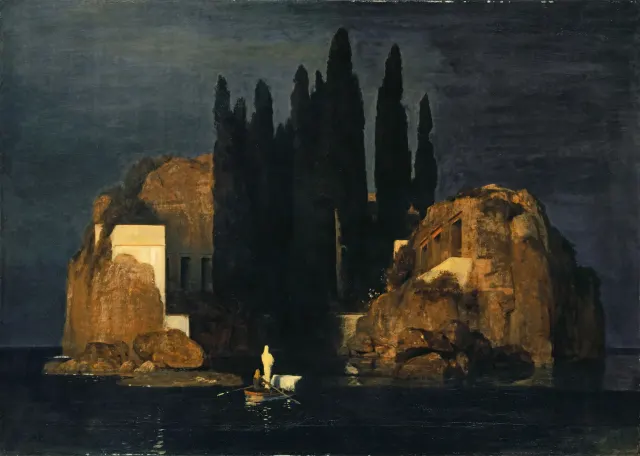
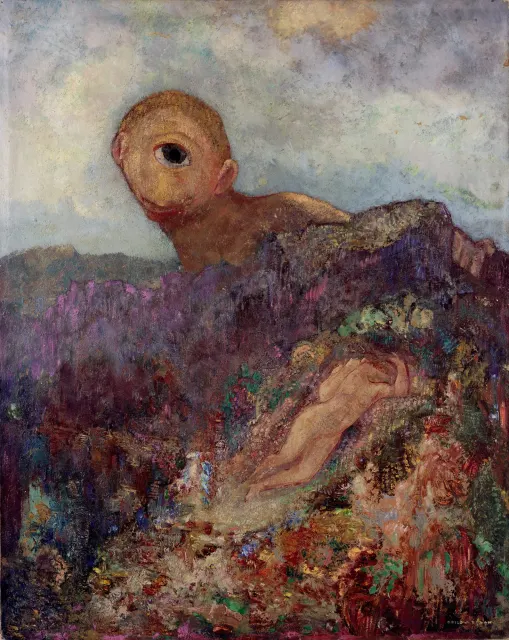
19世紀の終わりは「世紀末」とよばれます。科学や産業が急に進む一方で、人々は将来への不安や、目に見えない心の世界に引かれていきました。象徴主義の画家たちは、見えるものを写すのではなく、夢や神話、愛や死といったテーマを、なぞめいたイメージで表しました。ルドンの一つ目の巨人や、ベックリンの『死の島』がその例です。
The end of the 19th century is called the fin de siècle, French for 'end of the century'. Science and industry were racing ahead, yet people felt uneasy about the future and were drawn to the hidden world of the mind. Symbolist painters did not copy what they saw. They used mysterious images to explore dreams, myths, love and death, like Redon's one-eyed giant and Böcklin's Isle of the Dead.
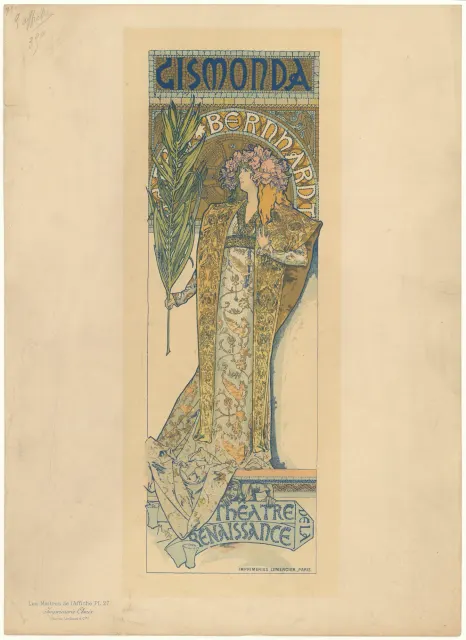
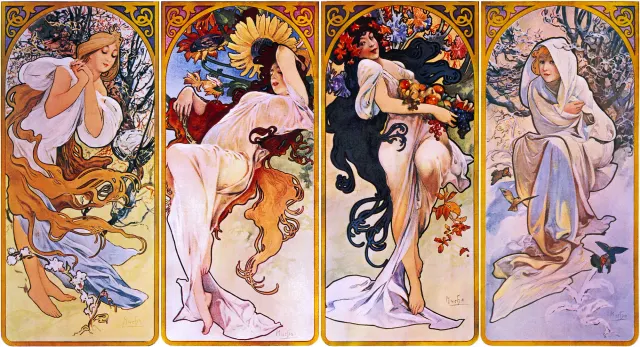
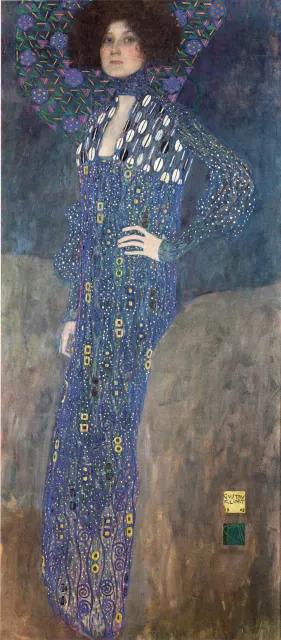
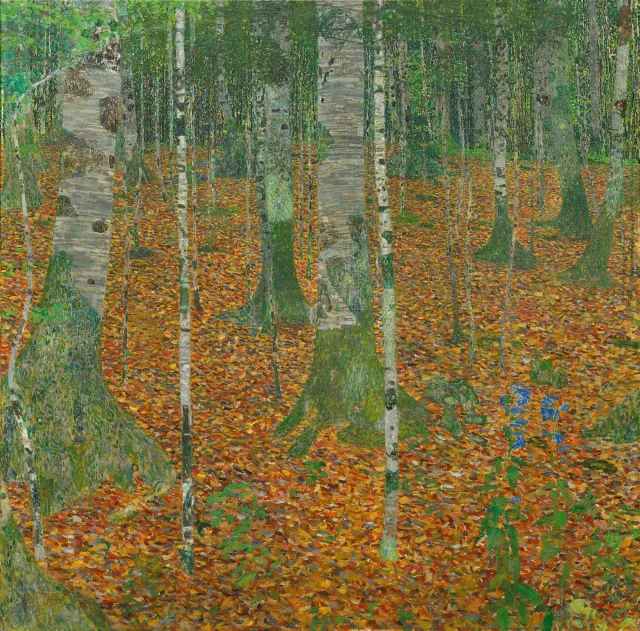
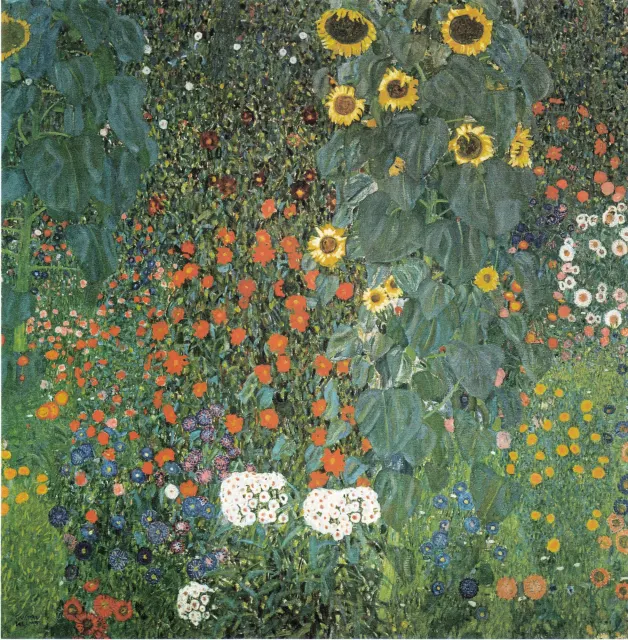
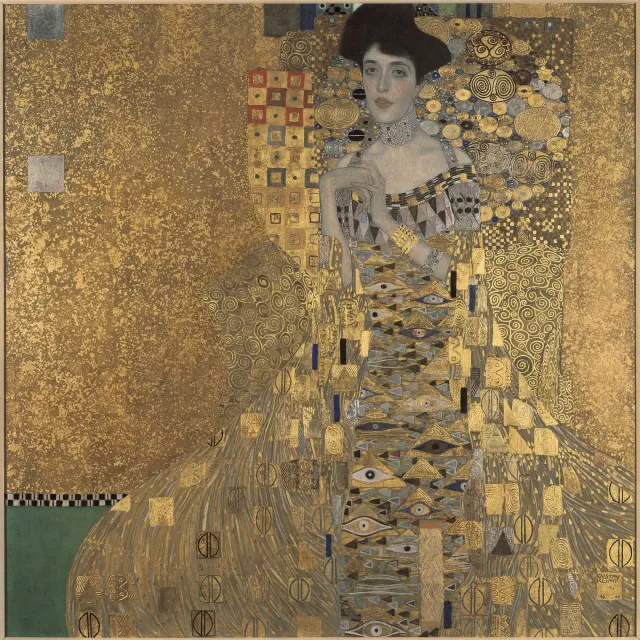
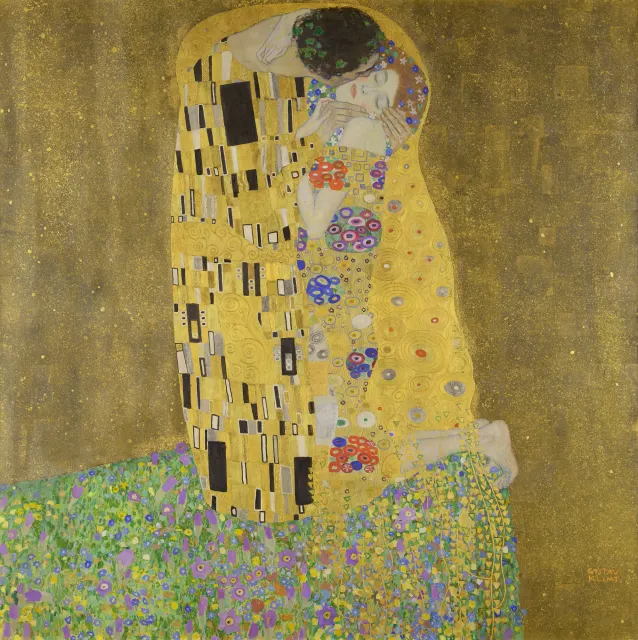
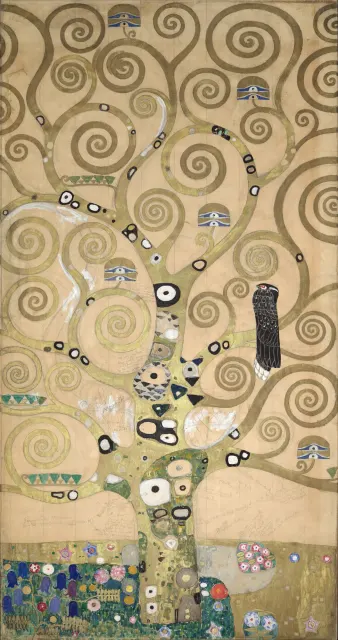
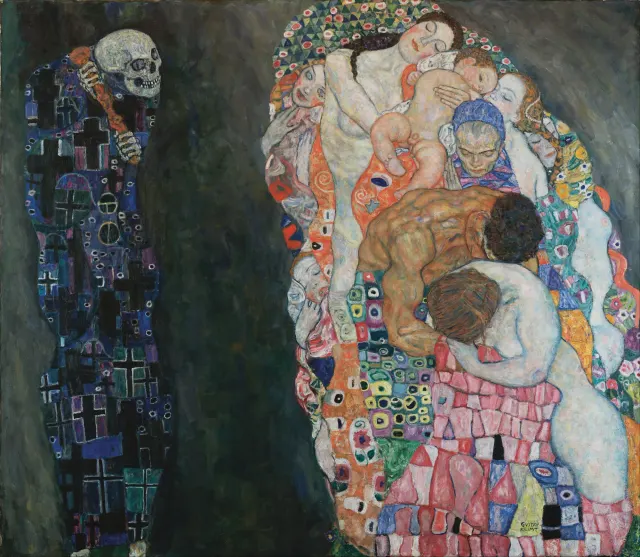
パリでは、植物のつるのような曲線で飾る「アール・ヌーヴォー(新しい芸術)」が流行し、ミュシャのポスターが街をいろどりました。ウィーンでは、クリムトたちが古い美術界から離れて「ウィーン分離派」を作り、金箔を使ったきらびやかな絵を描きました。分離派の建物には「時代にはその芸術を、芸術にはその自由を」という言葉がかかげられています。
In Paris, Art Nouveau, or 'New Art', decorated everything with curving lines like plant stems, and Mucha's posters brightened the streets. In Vienna, Klimt and his friends broke away from the old art world to form the Vienna Secession, and Klimt painted dazzling pictures with gold leaf. Their building carries the motto: 'To every age its art, to art its freedom.'
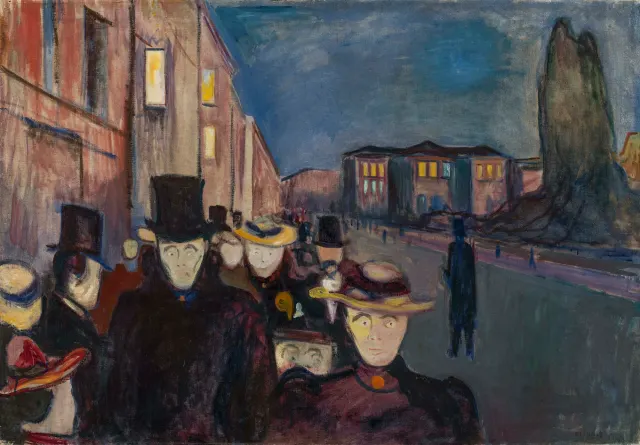
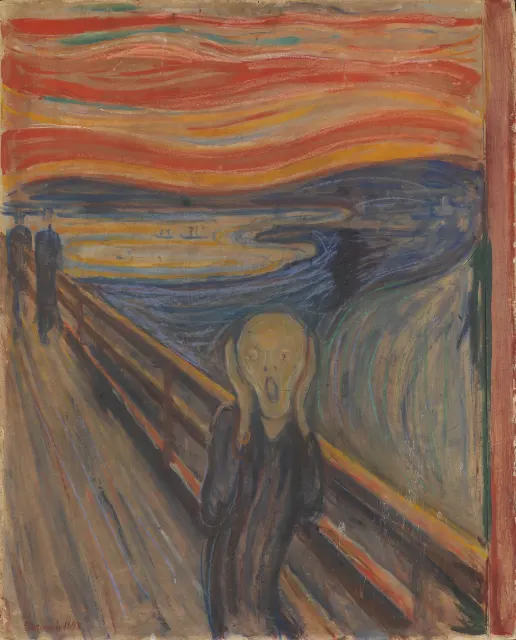
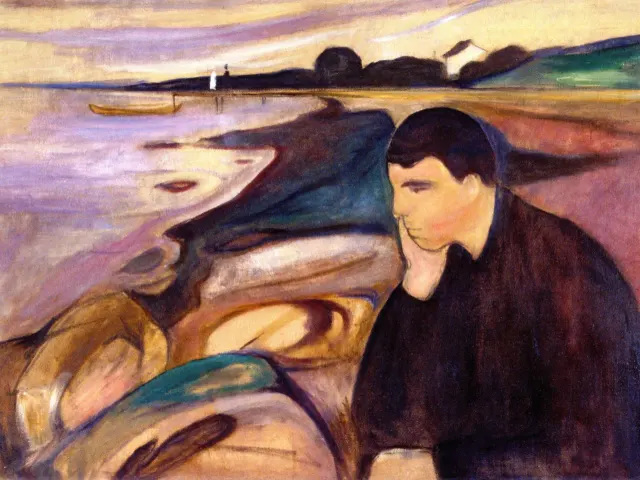
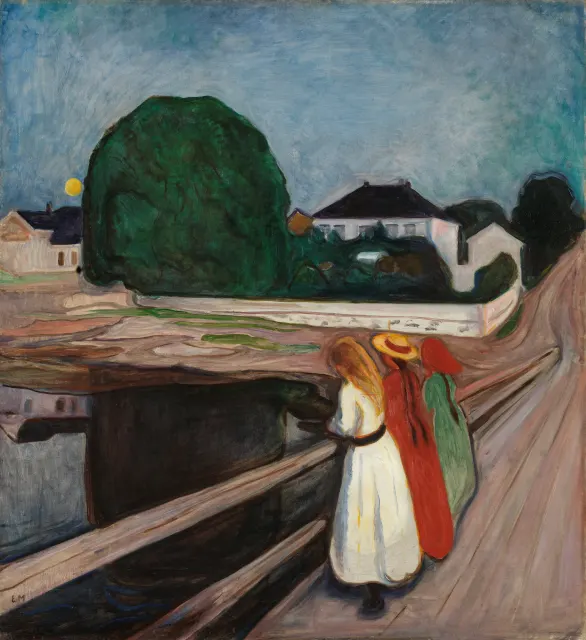
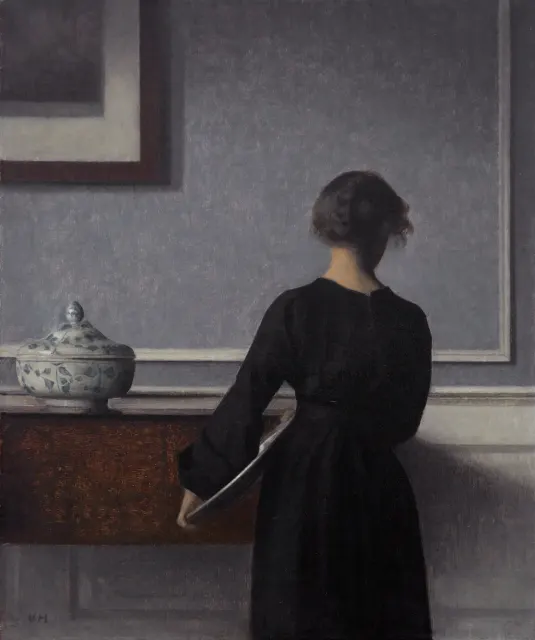
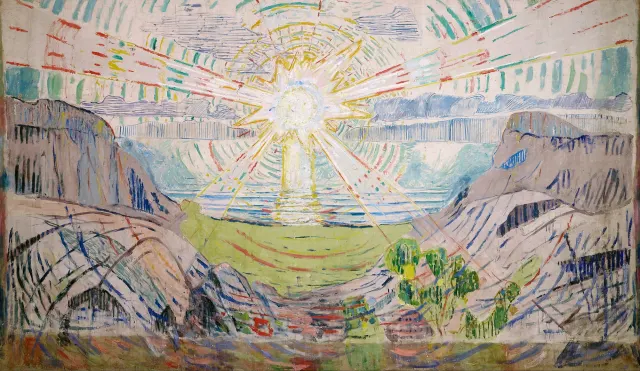
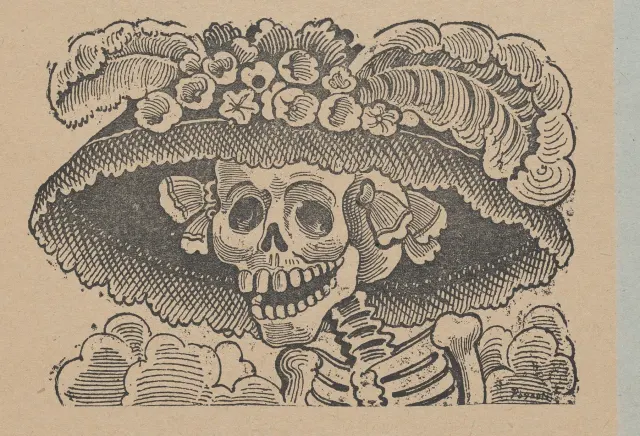
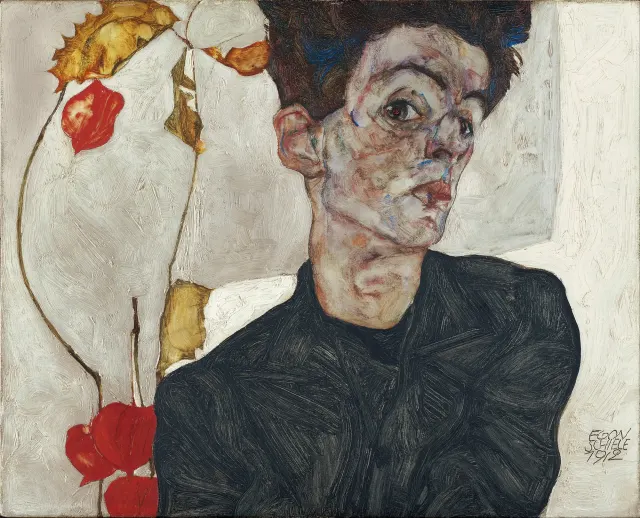
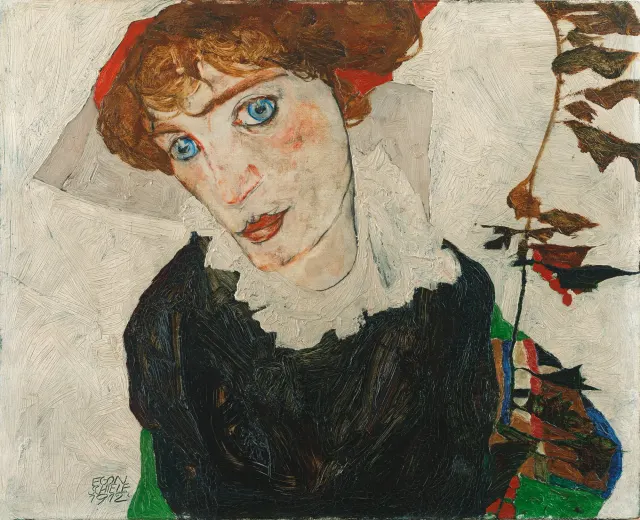
ノルウェーのムンクは『叫び』で、人間の不安そのものを、うねる線と強烈な色で描きました。クリムトの後輩シーレは、ゆがんだ線で人の内面をむき出しにしました。こうした「感じたことを、形や色をゆがめて表す」表現は、20世紀の「表現主義」へつながっていきます。デンマークのハマスホイの静かな室内画や、メキシコのポサダの骸骨の版画も、この時代の作品です。
In Norway, Edvard Munch painted anxiety itself in The Scream, with wavy lines and intense colors. Klimt's younger friend Egon Schiele exposed people's inner lives with twisted lines. This way of bending shape and color to show feelings led to 20th-century Expressionism. The quiet interiors of Denmark's Hammershøi and the skeleton prints of Mexico's Posada also come from this time.
