

 PDF をダウンロード
Fin-de-Siècle Art
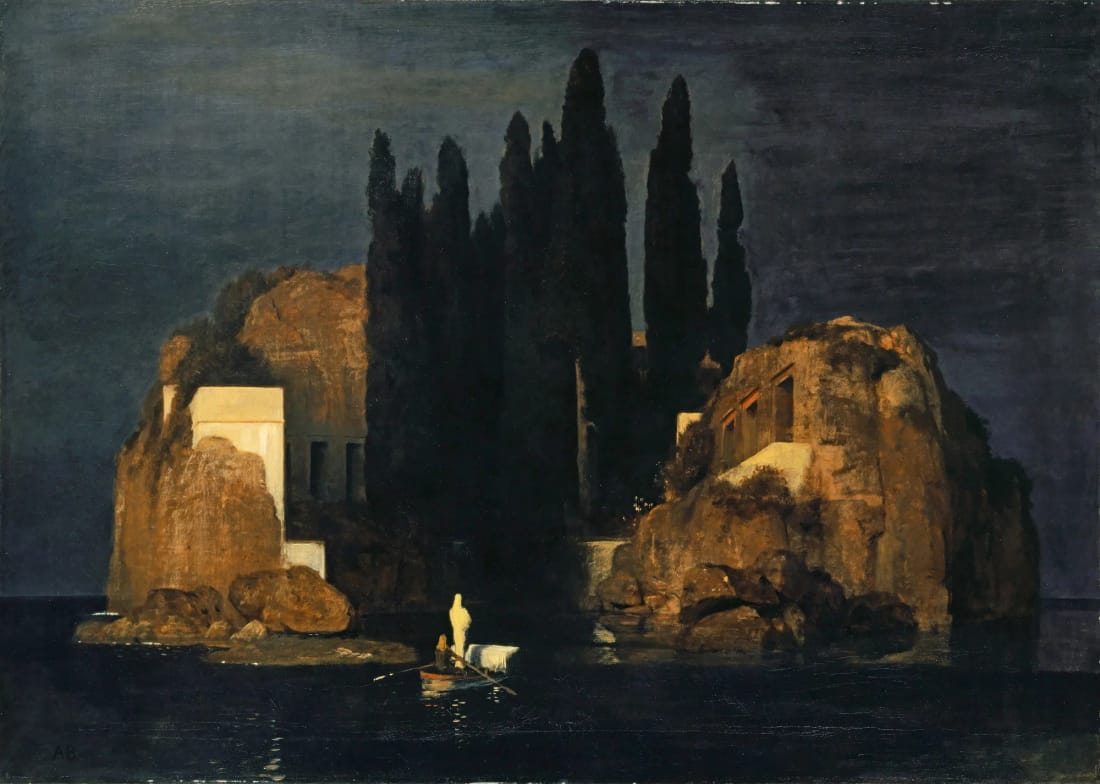
Arnold Böcklin, 1880
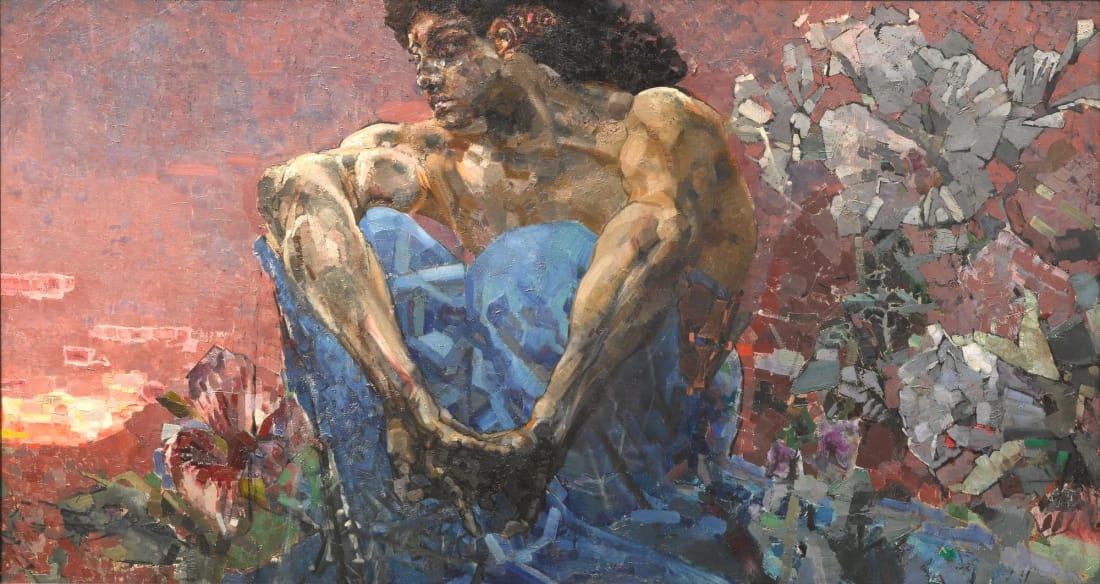
Mikhail Vrubel, 1890
1 How to spot it 2つの絵で見つけたら ✓ をつけよう。
| A | B | |
|---|---|---|
| Flowing, curving decorations like plant stems or long hair. | ☐ | ☐ |
| Glittering gold leaf and mosaic-like patterns. | ☐ | ☐ |
| Mysterious scenes and strange creatures, like something from a dream. | ☐ | ☐ |
| Wavy lines and unreal, intense colors that express anxiety. | ☐ | ☐ |
| Words and images are designed together, as in a poster. | ☐ | ☐ |
2 Read 英文を読もう。
The end of the 19th century is called the fin de siècle, French for 'end of the century'. Science and industry were racing ahead, yet people felt uneasy about the future and were drawn to the hidden world of the mind. Symbolist painters did not copy what they saw. They used mysterious images to explore dreams, myths, love and death, like Redon's one-eyed giant and Böcklin's Isle of the Dead.
Write one thing you learned:
Fin-de-Siècle Art
3 Art words — Match them. 英語と日本語を線で結ぼう。
- Symbolism ●
- Art Nouveau ●
- Secession ●
- Expressionism ●
- ● 分離派
- ● 表現主義
- ● 象徴主義
- ● アール・ヌーヴォー
4 Quiz
Who was the star of the poster that made Mucha famous?
- A French queen
- The great actress Sarah Bernhardt
- A fashion designer
- A woman scientist
5 Quiz
According to Munch's own notes, what is screaming in The Scream?
- The central figure
- The two people behind
- A bird in the sky
- Nature itself
6 Which do you like better, A or B? Why? AとB、どちらが好き?理由も英語で。
I like ____ better because ________________________________.
Answers & Notes
1 How to spot it(訳)
- Flowing, curving decorations like plant stems or long hair.
植物のつるや女性の髪のような、流れる曲線の飾り。 - Glittering gold leaf and mosaic-like patterns.
金箔や、モザイクのような模様がきらきら光る。 - Mysterious scenes and strange creatures, like something from a dream.
夢や悪夢のような、なぞめいた場面やふしぎな生き物。 - Wavy lines and unreal, intense colors that express anxiety.
線がうねり、色が現実ばなれして強烈で、不安な気持ちが伝わる。 - Words and images are designed together, as in a poster.
ポスターのように、文字と絵がひとつのデザインになっている。
A:死の島 B:座せるデーモン
2 Read(訳)
19世紀の終わりは「世紀末」とよばれます。科学や産業が急に進む一方で、人々は将来への不安や、目に見えない心の世界に引かれていきました。象徴主義の画家たちは、見えるものを写すのではなく、夢や神話、愛や死といったテーマを、なぞめいたイメージで表しました。ルドンの一つ目の巨人や、ベックリンの『死の島』がその例です。
3 Art words
1–c(Symbolism=象徴主義:夢・神話・感情など目に見えないものを、象徴的なイメージで表そうとした流れ。)
2–d(Art Nouveau=アール・ヌーヴォー:フランス語で「新しい芸術」。植物のような曲線を使った装飾の様式。)
3–a(Secession=分離派:古い美術団体から離れて作られた新しいグループ。ウィーンのものが有名。)
4–b(Expressionism=表現主義:形や色を大胆にゆがめて、心の中の感情を表そうとする芸術。)
4 Quiz
B 問:ミュシャを一晩で有名にしたポスターの主役は、どんな人?
選択肢:A フランスの王妃/B 大女優サラ・ベルナール/C ファッションデザイナー/D 女性科学者
解説:サラ・ベルナールが主演する芝居『ジスモンダ』のポスターでした。
5 Quiz
D 問:ムンクの書き残したメモによると、『叫び』で叫んでいるのは?
選択肢:A 中央の人物/B うしろを歩く二人/C 空を飛ぶ鳥/D 自然そのもの
解説:ムンクは「自然をつらぬく叫び」を感じたと書いています。
Fun Fact(訳)
『叫び』で叫んでいるのは、あの人じゃない!? ムンクは、夕暮れに道を歩いていて「自然をつらぬく果てしない叫び」を感じた体験を書き残しています。つまり叫んでいるのは自然で、中央の人物は耳をふさいでいるとも読めます。『叫び』は絵の具やパステル、版画など、いくつものバージョンがあります。
