
テ・デウム
Te Deum
シャルパンティエ・c. 1688–1698
パンパカパーン!ヨーロッパのテレビの幕開けを飾ってきた、ごうかな前奏曲。
テ・デウム ニ長調のページへ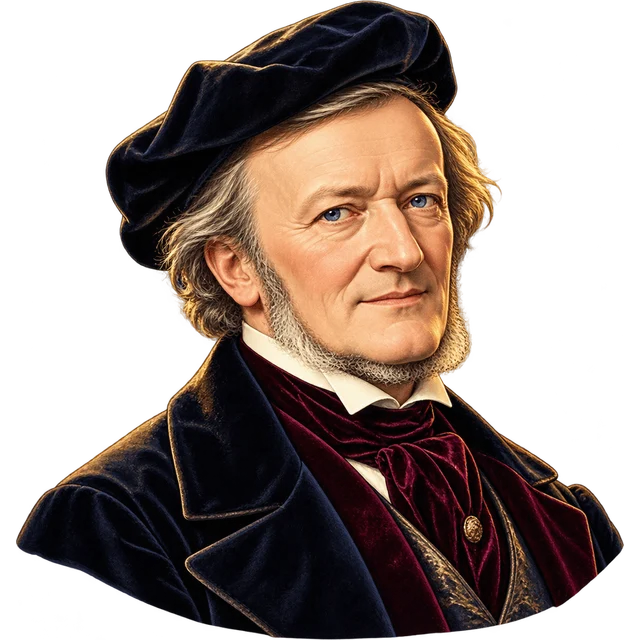
Opera · WWV 86B · 1854–1856
リヒャルト・ワーグナー(1813–1883)
空をかける戦乙女たち!映画でもおなじみの最強BGM。Warrior maidens racing across the sky: the ultimate battle music.
PUBLIC DOMAIN RECORDING
CC BY 3.0 無料でダウンロードOKWATCH ON YOUTUBE
 Metropolitan Opera Orchestra – Wagner: Ride of the Valkyries - Ring (Official Video)
Deutsche Grammophon - DG(YouTube) YouTube で開く ↗
Apocalypse Now: Ride of the Valkyries // Danish National Symphony Orchestra (LIVE)
DR Koncerthuset(YouTube) YouTube で開く ↗
左の音源は権利が切れた録音なのでダウンロードできます。右の動画は YouTube の公式の埋め込みで見るもので、ダウンロードはできません(動画の権利は各チャンネルにあります)。
 もっと名演を観る YouTube で何百万回も再生された人気の演奏
Richard Wagner - Ride of The Valkyries
The Wicked North(YouTube) YouTube で開く ↗
'Ride of the Valkyries' | Apocalypse Now
The Dollar Theater(YouTube) YouTube で開く ↗
Classical - Richard Wagner - Ride of the Valkyries
ClaasStoertebeker(YouTube) YouTube で開く ↗
Richard Wagner: The Valkyrie - Ride of the Valkyries
Trondheim Symfoniorkester & Opera(YouTube) YouTube で開く ↗
ホー!この曲が入る「指環」4部作は、全部見るのに4晩、約15時間もかかるんだ。
 この曲のおはなし The Story
リヒャルト・ワーグナーの楽劇「ワルキューレ」第3幕の始まりの音楽です。ワーグナーの「ニーベルングの指環」では、ワルキューレたちは神ヴォータンの娘で、戦う乙女たちです。ワーグナーは、戦場で倒れた勇者を選んで天上の城ヴァルハラへ運ぶという、北欧・ゲルマンの伝説のワルキューレをもとにしました。うなる弦楽器の上で、金管楽器が勇ましいメロディを鳴らします。This music opens Act 3 of Richard Wagner's opera "Die Walküre" (The Valkyrie). In Wagner's Ring, the Valkyries are the warrior daughters of the god Wotan. Wagner based them on the valkyries of Norse and Germanic legend, who choose fallen heroes and carry them to Valhalla, the hall of the gods. Over rushing strings, the brass plays a bold, heroic tune.
「ワルキューレ」は、4つの作品からなる大作「ニーベルングの指環」の2作目で、1854年から1856年にかけて作曲されました。ワーグナーは、人物や物を表す短いメロディ(ライトモティーフ)を使って物語を音楽で語りました。劇の中では8人のワルキューレが叫び声を上げながら集まってきます。"Die Walküre" is the second part of "The Ring of the Nibelung," a huge work in four operas. Wagner composed it from 1854 to 1856. He told the story with short musical themes, called leitmotifs, that stand for people and things. In this scene, eight Valkyries gather, calling out their battle cries.
「ワルキューレ」は1870年にミュンヘンで初演されました。ワーグナーは4部作を通して上演したかったのですが、バイエルン王ルートヴィヒ2世の命令で、先に上演されてしまったのです。ずっと後の1979年には、映画『地獄の黙示録』の有名なヘリコプター攻撃の場面で使われ、この曲の現代のイメージを強く印象づけました。"Die Walküre" was first performed in Munich in 1870. Wagner wanted the four operas to be premiered together, but King Ludwig II of Bavaria ordered this one to be staged first. Much later, "Apocalypse Now" (1979) used the music in a famous helicopter-attack scene, giving it one of its best-known modern images.
This music is from an opera by Wagner. The Valkyries are warrior women in old stories. They ride horses in the sky. The music is loud, fast, and exciting. A famous war movie used it.この音楽はワーグナーのオペラから来ています。ワルキューレは古い物語に出てくる、戦う女性たちです。彼女たちは空で馬に乗ります。音楽は大きく、速く、わくわくします。有名な戦争映画がこの曲を使いました。
 聴きどころ Listening Guide
 えっ!?ネタ Surprising Facts
 タップすると答えが開きます
フランシス・フォード・コッポラ監督の映画『地獄の黙示録』(1979年)では、ヘリコプターの部隊がこの曲を拡声器で流しながら村をおそう場面があります。この有名な場面で、曲と「ヘリコプター攻撃」や戦争を結びつけるイメージがいっそう強まりました。
In Francis Ford Coppola's film "Apocalypse Now" (1979), a helicopter unit attacks a village while playing this music over loudspeakers. The famous scene made the music's link with helicopter attacks and war even stronger.
1957年のワーナー・ブラザースのアニメ『オペラは何でしょう、先生?(What's Opera, Doc?)』では、エルマーがこのメロディに合わせて「ウサギをやっつけろ」と歌います。アニメの名作として知られています。
In the 1957 Warner Bros. cartoon "What's Opera, Doc?", Elmer Fudd sings "Kill the wabbit!" to this melody while chasing Bugs Bunny. It is known as a classic cartoon.
ワーグナーは「指環」4部作をまとめて上演したいと考えていました。でも、パトロンのルートヴィヒ2世は待ちきれず、命令して1870年にミュンヘンで「ワルキューレ」を先に上演させました。ワーグナーは強く反対し、初演には行きませんでした。
Wagner wanted all four Ring operas to be premiered together. But his patron, King Ludwig II, could not wait and ordered "Die Walküre" to be staged in Munich in 1870. Wagner strongly objected and did not attend.
「ニーベルングの指環」は、ワーグナーが1848年ごろから1874年まで、約26年かけて完成させました。4つの作品を全部上演すると約15時間。ワーグナーはこの作品のために、バイロイトに専用の劇場まで建てました。
Wagner worked on "The Ring of the Nibelung" for about 26 years, from around 1848 to 1874. Performing all four operas takes about 15 hours. Wagner even built his own theater in Bayreuth for this work.
ENGLISH × MASTERPIECE
 勢いよく進んでいる「真っ最中」のこと。The party is in full swing.(パーティーは真っ最中)
 この曲で覚える英単語 Words
 クイズに挑戦 Quiz
 この録音について(著作権・出典) Credits
MORE MASTERPIECES
シャルパンティエ・c. 1688–1698
パンパカパーン!ヨーロッパのテレビの幕開けを飾ってきた、ごうかな前奏曲。
テ・デウム ニ長調のページへ
パーセル・1695
ブリテンが「オーケストラ入門」のテーマに選んだ、かっこいいメロディー。
劇音楽「アブデラザール」より ロンドのページへ
バッハ・c. 1704 (?)
タラリ〜!一度聴いたら忘れない、オルガンの大迫力の幕開け。
トッカータとフーガ ニ短調のページへバッハ・c. 1706–1713
足が弾く低いテーマが21回!重くて壮大な、オルガンの大建築。
パッサカリアとフーガ ハ短調のページへバッハ・c. 1707–1710 (?)
キラキラの駆け上がりで幕開け!若きバッハのはなやかな鍵盤ショー。
トッカータ ニ長調のページへ
ヴィヴァルディ・published 1711
2本のヴァイオリンが火花を散らす!バッハも編曲した熱い協奏曲。
協奏曲集『調和の霊感』第8番 イ短調(2つのヴァイオリンのための協奏曲)のページへヴィヴァルディ・c. 1715
オクターブがぴょんぴょん跳ねる!喜びがはじける合唱の名曲。
グローリア ニ長調のページへ
テレマン・c. 1710–1720 (?)
バルブのないラッパで高音をきらり!バロックのトランペットの晴れ舞台。
トランペット協奏曲 ニ長調のページへ
 MP3