
カノン
Canon in D
パッヘルベル・c. 1680–1706
同じ8つの音が28回!なのに聴くたび胸がいっぱいになる曲。
カノンとジーグ ニ長調 より「カノン」のページへ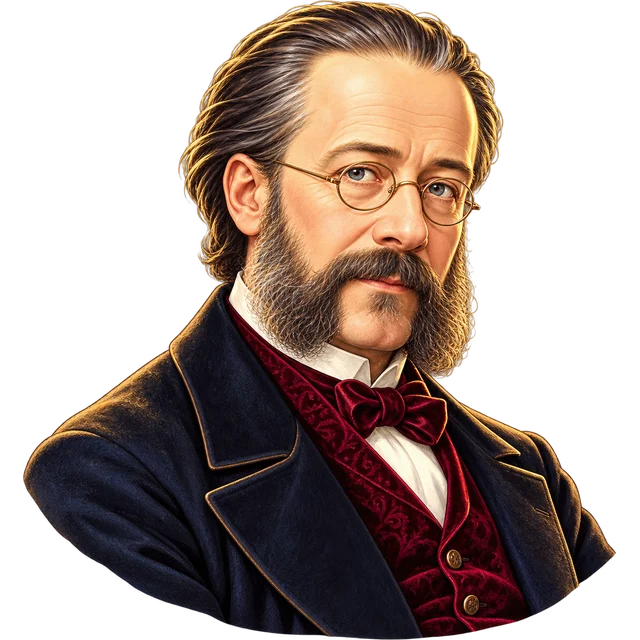
Orchestral · · 1875
ベドルジハ・スメタナ(1824–1884)
耳が聞こえない作曲家が描いた、チェコの森の音と村の踊り。A deaf composer paints the sounds of Czech forests and village dances.
WATCH ON YOUTUBE
この曲は、権利の切れた高音質の録音がまだ見つからないため、YouTube の公式チャンネルなどの名演でお楽しみください(ダウンロードはできません)。YouTube でほかの演奏もさがす ↗
 Má vlast, JB 1:112: No. 4, From Bohemias Woods and Fields
Czech Philharmonic - Topic(YouTube) YouTube で開く ↗
Smetana: Má vlast – Mein Vaterland (I–IV) ∙ hr-Sinfonieorchester ∙ Alain Altinoglu
hr-Sinfonieorchester – Frankfurt Radio Symphony(YouTube) YouTube で開く ↗
Smetana ~ From Bohemia's Woods and Fields
Richard Brittain(YouTube) YouTube で開く ↗
Má vlast, JB 1:112: No. 2, Vltava (My Country: Moldau)
Polish National Radio Symphony Orchestra - Topic(YouTube) YouTube で開く ↗

ホー!スメタナはこの曲を書いたとき、もう耳がまったく聞こえなかったんだ。
 この曲のおはなし The Story
「ボヘミアの森と草原から」は、スメタナが故郷チェコをたたえた6曲の交響詩(物語や風景を描くオーケストラ曲)「わが祖国」の4曲目です。有名な2曲目「モルダウ」と同じく、チェコの自然を描いています。スメタナ自身は、この曲をチェコの田園を見たときに心にわき上がる気持ちを描いたもの、と説明しています。From Bohemia's Woods and Fields is the fourth of the six symphonic poems in Má vlast (My Country), Smetana's tribute to his Czech homeland. A symphonic poem is an orchestral piece that paints a story or a scene. Like the famous second piece, Vltava (The Moldau), it describes Czech nature. Smetana said it shows the feelings that rise in your heart when you look at the Czech countryside.
曲は、草原に吹きわたる風のような大きな盛り上がりで始まります。やがて、のどかな村のメロディー、静かな森の場面と続きます。森の場面では、小さな動機(音のかたまり)が楽器から楽器へと受けつがれていくフーガのような書き方で、木々のざわめきが表されます。最後は、村の楽しいポルカのような踊りで、はなやかに終わります。The piece begins with a big surge, like wind sweeping over the fields. Then come a peaceful village tune and a quiet forest scene. In the forest scene, a small musical idea is passed from instrument to instrument in a fugue-like way, painting the rustling of the trees. It ends brilliantly with a merry village dance like a polka.
スメタナは1874年の秋に耳がまったく聞こえなくなっていましたが、その後も作曲を続け、この曲を1875年に完成させました。初演は1876年12月、プラハで行われました。毎年、スメタナの命日の5月12日に始まる音楽祭「プラハの春」では、「わが祖国」の全曲演奏で幕を開けるのが伝統になっています。Smetana had become completely deaf in the autumn of 1874, but he kept composing and finished this piece in 1875. It was first performed in Prague in December 1876. Every year, the Prague Spring music festival begins on 12 May, the anniversary of Smetana's death, and it is a tradition to open it with a performance of the whole of Má vlast.
This music shows the forests and fields of the Czech land. You can hear the wind, the trees and a village dance. The composer could not hear at all when he wrote it! He heard the music only in his head.この音楽は、チェコの森と草原を描いています。風の音、木々の音、そして村の踊りが聞こえます。作曲者は、これを書いたとき、まったく耳が聞こえませんでした!彼は音楽を頭の中だけで聴いていたのです。
 聴きどころ Listening Guide
 えっ!?ネタ Surprising Facts
 タップすると答えが開きます
スメタナは1874年の秋に、両方の耳がまったく聞こえなくなりました。それでも、頭の中で音を思いうかべながら作曲を続け、「モルダウ」やこの曲を書き上げました。指揮者や劇場の仕事はやめなければなりませんでしたが、作曲だけは最後まで続けたのです。
In the autumn of 1874, Smetana became completely deaf in both ears. Even so, he kept composing by imagining the sounds in his head, and wrote Vltava and this piece. He had to give up his work as a conductor and at the theater, but he never stopped composing.
曲の中ほどの森の場面では、短いメロディーが弦楽器の中で次々に追いかけっこをするように受けつがれます。これはバッハなどで知られる「フーガ」に似た書き方です。きっちりした作曲の技を、森の木々のざわめきという自然の風景を描くのに使ったところが見事です。
In the forest scene in the middle, a short melody is passed along the strings, as if they were chasing each other. This is like a fugue, a technique known from Bach. It is wonderful how Smetana used this strict technique to paint something as natural as the rustling of forest trees.
チェコの有名な音楽祭「プラハの春」は、毎年スメタナの命日の5月12日に始まり、「わが祖国」全6曲の演奏で開幕するのが伝統です。この曲もその一部として、毎年チェコの人々の前で演奏されています。チェコの人々にとって、それほど大切な作品なのです。
The famous Prague Spring music festival begins every year on 12 May, the anniversary of Smetana's death, and by tradition it opens with all six pieces of Má vlast. So this piece is played before Czech audiences every year. That is how important the work is to the Czech people.
「わが祖国」の6曲は、1874年から1879年にかけて1曲ずつ書かれ、できた曲から演奏されました。6曲がそろって演奏されたのは1882年11月のプラハでのことです。この曲が書かれてから、全曲初演まで7年かかったことになります。
The six pieces of Má vlast were written one by one from 1874 to 1879, and each was performed as it was finished. The whole cycle was first played together in Prague in November 1882, seven years after this piece was written.
ENGLISH × MASTERPIECE
 細かい所ばかり見て全体が見えないこと。イギリスでは forest を wood と言います。
 この曲で覚える英単語 Words
 クイズに挑戦 Quiz
 著作権について Credits
MORE MASTERPIECES
パッヘルベル・c. 1680–1706
同じ8つの音が28回!なのに聴くたび胸がいっぱいになる曲。
カノンとジーグ ニ長調 より「カノン」のページへ
バッハ・1713
2本のリコーダーがやさしく鳴る、のどかな牧場の歌。
カンタータ第208番より「羊は安らかに草を食み」のページへ
コレッリ・published 1714
聖なる夜のために。最後に羊飼いの笛のようなパストラーレが流れます。
合奏協奏曲 ト短調「クリスマス協奏曲」のページへ
ヘンデル・1717
テムズ川の船の上で国王のために!夏の夜の水上コンサート。
水上の音楽のページへ
クープラン・published 1717
題名の意味はだれも知らない!やわらかく波打つ、なぞの名曲。
神秘的なバリケードのページへ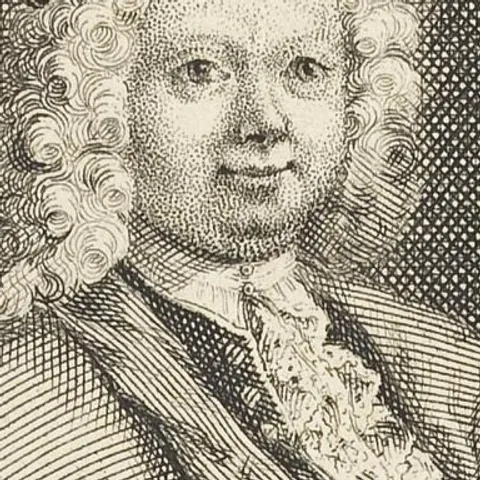
マルチェッロ・published c. 1717
胸にしみるアダージョ!バッハも編曲したオーボエの名曲。
オーボエ協奏曲 ニ短調のページへバッハ・c. 1720
チェロ1本だけで、こんなに豊かな世界が広がる!
無伴奏チェロ組曲 第1番 ト長調のページへバッハ・c. 1720
チェロのいちばん低い「ド」がずしん!堂々とした明るい組曲。
無伴奏チェロ組曲第3番 ハ長調のページへ
 MP3