
カノン
Canon in D
パッヘルベル・c. 1680–1706
同じ8つの音が28回!なのに聴くたび胸がいっぱいになる曲。
カノンとジーグ ニ長調 より「カノン」のページへ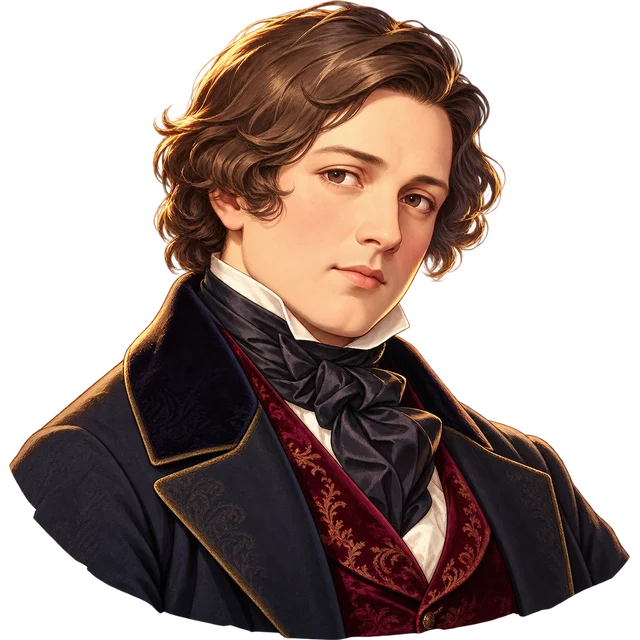
Piano · Op. 15 No. 1 · 1838
ロベルト・シューマン(1810–1856)
遠い国のお話をして!子どもの心でのぞく、やさしいピアノの小さな扉。Tell me about faraway lands! A tiny door into a child's world.
PUBLIC DOMAIN RECORDING
PD / CC0 無料でダウンロードOK 別の演奏で聴く 1:Robert Schumann
ANOTHER RECORDING 1
PD / CC0WATCH ON YOUTUBE
 Schumann - 'Of Foreign Lands and People' - Paul Barton, piano
Paul Barton(YouTube) YouTube で開く ↗
Schumann: Von fremden Ländern und Menschen / Argerich
Berliner Philharmoniker(YouTube) YouTube で開く ↗
左の音源は権利が切れた録音なのでダウンロードできます。右の動画は YouTube の公式の埋め込みで見るもので、ダウンロードはできません(動画の権利は各チャンネルにあります)。
 もっと名演を観る YouTube で何百万回も再生された人気の演奏
Schumann - Von fremden Ländern und Menschen (Of Foreign Lands and Peoples) | Piano with Sheet
Stanislav Stanchev(YouTube) YouTube で開く ↗

ホー!あの「トロイメライ」と同じ曲集の、いちばん最初の曲なんだよ。
 この曲のおはなし The Story
「見知らぬ国と人々について」は、シューマンのピアノ曲集『子供の情景』の第1曲です。『子供の情景』は全13曲からなり、7曲目には有名な「トロイメライ」があります。この第1曲は、ト長調のやさしいメロディーが、3つずつ流れる伴奏の音にのって歌われる、とても短い曲。遠い国のお話にじっと耳をかたむける、子どもの気持ちが伝わってきます。'Of Foreign Lands and Peoples' is the first piece in Schumann's piano collection Scenes from Childhood. The collection has thirteen pieces, and the seventh is the famous 'Träumerei'. This opening piece is very short: a tender melody in G major sings above a flowing accompaniment in groups of three notes. You can almost feel a child listening closely to stories about faraway places.
1838年、シューマンはのちに妻となるクララへの手紙で、「あなたはいつか、私が子どものように見えることがあると言いましたね」という思い出にふれながら、30曲ほどの小さな曲を書いたと伝えています。その中から選ばれたのが『子供の情景』です。曲名は曲ができたあとにつけられたもので、シューマンは「演奏や解釈のための、ささやかなヒント」にすぎないと説明しています。In 1838, Schumann wrote to Clara, who would later become his wife, that he had composed about thirty small pieces, perhaps as an echo of her remark that he sometimes seemed like a child. The pieces in Scenes from Childhood were chosen from these. The titles were added after the music was written, and Schumann said they were 'nothing more than delicate hints' for playing and understanding the music.
つまり『子供の情景』は、子どもが練習するための曲集ではなく、大人が子ども時代をふり返る音楽なのです。1839年に出版され、今では世界中のピアニストに愛されています。この第1曲は、わずか1ページほどの楽譜の中に、シューマンらしい夢見るような世界がぎゅっとつまっています。In other words, Scenes from Childhood is not a set of exercises for children but music in which an adult looks back on childhood. It was published in 1839 and is loved by pianists all over the world. In just one short page of music, this first piece holds Schumann's whole dreamy world.
This is a short piano piece. It is the first of 13 pieces about childhood. The music is soft and gentle. It sounds like a child listening to a story about faraway countries. Schumann said the set is an adult looking back on childhood.これは短いピアノ曲です。子ども時代をテーマにした13曲の、最初の曲です。音楽はやわらかくて、やさしいです。遠い国のお話を聞いている子どものように聞こえます。シューマンは、この曲集を、大人が子ども時代をふり返る作品だと説明しました。
 聴きどころ Listening Guide
 えっ!?ネタ Surprising Facts
 タップすると答えが開きます
「見知らぬ国と人々について」「トロイメライ」などの曲名は、曲を書き終えてからつけられました。シューマンは、曲名は「演奏や解釈のための、ささやかなヒント」にすぎないと説明しています。まず音楽があって、言葉はそっと道しるべを置いただけなのです。
Titles like 'Of Foreign Lands and Peoples' and 'Träumerei' were added after the music was finished. Schumann explained that they were 'nothing more than delicate hints' for playing and understanding. The music came first; the words just quietly point the way.
シューマンはクララに、約30曲の小さな曲を書いたと伝えています。そのうち13曲が『子供の情景』に選ばれました。選ばれなかった曲の一部は、のちに『色とりどりの小品』作品99や『アルバムの綴り』作品124などの曲集に入れて出版されたと考えられています。
Schumann told Clara he had written about thirty little pieces, and thirteen of them were chosen for Scenes from Childhood. Some of the pieces not chosen are thought to have been published later in other collections, such as Bunte Blätter, Op. 99, and Albumblätter, Op. 124.
シューマンは10年後の1848年、本当に子どもが弾くための『子供のためのアルバム』を作りました。2つのちがいについて、シューマンは『子供の情景』を「大人が大人のためにふり返ったもの」と説明したと伝えられています。だから、この曲はやさしそうに見えて、表現はとても奥深いのです。
Ten years later, in 1848, Schumann wrote Album for the Young, music really meant for children to play. He is said to have explained that Scenes from Childhood, by contrast, was an adult looking back, for other adults. That is why this piece looks simple but is very deep.
この曲を書いた1838年、シューマンとクララは愛し合っていましたが、クララの父ヴィークは結婚に大反対でした。2人は裁判で争い、ようやく1840年に結婚します。会えない日々の中で、シューマンは手紙と音楽で気持ちを伝え続けていました。
In 1838, when he wrote this music, Schumann and Clara were in love, but Clara's father, Friedrich Wieck, was strongly against their marriage. They took the matter to court and finally married in 1840. During the years apart, Schumann kept sharing his feelings through letters and music.
ENGLISH × MASTERPIECE
 大人になっても子どものような心を持っている人のこと。young at heart とも言います。
 この曲で覚える英単語 Words
 クイズに挑戦 Quiz
 この録音について(著作権・出典) Credits
MORE MASTERPIECES
パッヘルベル・c. 1680–1706
同じ8つの音が28回!なのに聴くたび胸がいっぱいになる曲。
カノンとジーグ ニ長調 より「カノン」のページへパッヘルベル・c. 1680–1706
あの「カノン」には、はずむ相棒がいた!知られざる後半戦。
カノンとジーグ ニ長調 より「ジーグ」のページへ
パーセル・1695
ブリテンが「オーケストラ入門」のテーマに選んだ、かっこいいメロディー。
劇音楽「アブデラザール」より ロンドのページへ
ヘンデル・1711
「泣かせてください」と歌う、深い悲しみに満ちた名アリア。
私を泣かせてください(歌劇『リナルド』より)のページへ
バッハ・1713
2本のリコーダーがやさしく鳴る、のどかな牧場の歌。
カンタータ第208番より「羊は安らかに草を食み」のページへ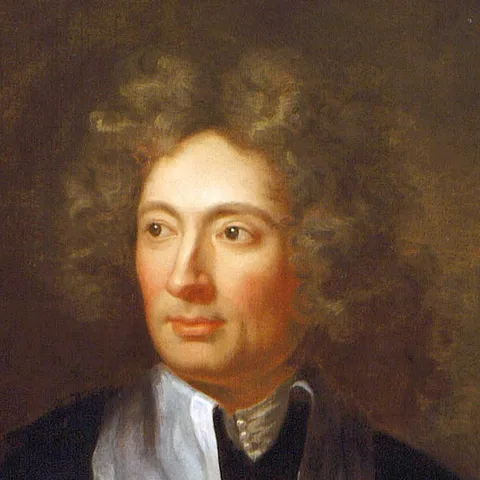
コレッリ・published 1714
聖なる夜のために。最後に羊飼いの笛のようなパストラーレが流れます。
合奏協奏曲 ト短調「クリスマス協奏曲」のページへ
クープラン・published 1717
題名の意味はだれも知らない!やわらかく波打つ、なぞの名曲。
神秘的なバリケードのページへ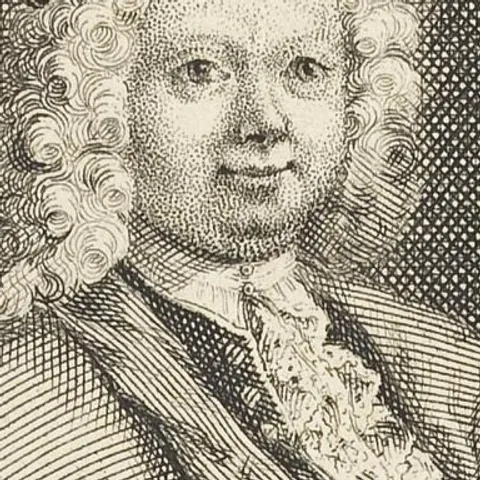
マルチェッロ・published c. 1717
胸にしみるアダージョ!バッハも編曲したオーボエの名曲。
オーボエ協奏曲 ニ短調のページへ
 MP3