
ダイドーの嘆き
Dido's Lament
パーセル・by 1689
「わたしを覚えていて」。くり返す低音にのせた、胸をうつ別れの歌。
歌劇「ダイドーとエネアス」より「ダイドーの嘆き」のページへ
Song · D. 911 No. 5 (Op. 89 No. 5) · 1827
フランツ・シューベルト(1797–1828)
木の葉のざわめきが「ここで休め」とささやく、冬の旅の名曲。Rustling leaves whisper, "Rest here": the gem of Winter Journey.
PUBLIC DOMAIN RECORDING
CC BY-SA 4.0 無料でダウンロードOKWATCH ON YOUTUBE
 Thomas Quasthoff & Daniel Barenboim – Schubert: Winterreise, D. 911: 5. Der Lindenbaum (excerpt)
Deutsche Grammophon - DG(YouTube) YouTube で開く ↗
Joyce DiDonato, Yannick Nézet-Séguin – Schubert: Winterreise: V. Der Lindenbaum ("The Linden Tree")
Warner Classics(YouTube) YouTube で開く ↗
左の音源は権利が切れた録音なのでダウンロードできます。右の動画は YouTube の公式の埋め込みで見るもので、ダウンロードはできません(動画の権利は各チャンネルにあります)。
 もっと名演を観る YouTube で何百万回も再生された人気の演奏
Der lindenbaum (보리수) 💜 Nana Mouskouri
용재천사 - Ailes d'ange TV(YouTube) YouTube で開く ↗
Dietrich Fischer Dieskau Der Lindenbaum Die Winterreise
mychinamusic(YouTube) YouTube で開く ↗

ホー!日本でも明治時代から歌われてきた、おなじみの歌なんだ。
 この曲のおはなし The Story
1827年にシューベルトが作った、24曲からなる歌曲集「冬の旅」の第5曲です。詩はヴィルヘルム・ミュラー。恋にやぶれた若者が、雪の中をひとりで旅していきます。町の門の前の泉のそばに立つ菩提樹(リンデンの木)の前を通ると、木が「ここに来れば安らぎがあるよ」とよびかけてくるように感じるのです。This is the fifth song of "Winterreise" (Winter Journey), a set of 24 songs that Schubert composed in 1827. The poems are by Wilhelm Müller. A young man whose love has ended travels alone through the snow. When he passes a linden tree by a well near the town gate, he feels as if the tree is calling to him: "Come here, and you will find rest."
ピアノの前奏では、細かくふるえる音が、木の葉のざわめきや冷たい風を表します。歌は、なつかしい民謡のようにやさしいメロディで始まりますが、とちゅうで短調に変わり、冷たい風が帽子を吹き飛ばす場面ではげしくなります。それでも若者はふりかえらず、旅を続けていくのです。In the piano introduction, quick trembling notes suggest rustling leaves and a cold wind. The song begins with a gentle melody like an old folk song, but it later turns to a minor key and becomes stormy when the cold wind blows his hat away. Even so, the young man does not turn back and keeps on traveling.
シューベルトは「冬の旅」を友人たちに歌って聞かせましたが、暗い歌ばかりでみんなとまどいました。友人シュパウンが約30年後に書いた思い出によると、ショーバーは「菩提樹」だけは気に入ったと言ったそうです。その「菩提樹」は、今やシューベルトの歌曲の中でもっとも愛される1曲です。日本では明治時代に近藤朔風が訳詞をつけ、「泉に添いて」の歌い出しで親しまれてきました。Schubert sang "Winterreise" to his friends, but they were puzzled by such dark songs. According to memories that his friend Spaun wrote about thirty years later, their friend Schober said he liked only "Der Lindenbaum." Today it is one of Schubert's best-loved songs. In Japan, Kondo Sakufu wrote Japanese words for it in the Meiji era, and it has long been sung with those words.
A young man walks alone in the snow. He is very sad. He passes a linden tree. The tree seems to say, "Come and rest here." But he keeps walking.若者がひとりで雪の中を歩いています。彼はとても悲しいのです。彼は菩提樹の木の前を通ります。木は「ここに来て休みなさい」と言っているようです。でも、彼は歩き続けます。
 聴きどころ Listening Guide
 えっ!?ネタ Surprising Facts
 タップすると答えが開きます
日本語では「菩提樹」と訳されていますが、歌に出てくるのはヨーロッパのリンデン(シナノキの仲間)です。お釈迦さまがその下でさとりを開いたインドボダイジュとは、まったく別の木。じつは日本のお寺に植えられている菩提樹も、多くはシナノキの仲間なのです。
In Japanese the tree is called "bodaiju," but the tree in the song is a European linden, a kind of lime tree. It is completely different from the Indian bodhi tree under which the Buddha found enlightenment. In fact, many "bodaiju" trees planted at Japanese temples are also lindens.
19世紀のなかごろ、ドイツの作曲家ジルヒャーが「菩提樹」を合唱用にシンプルに編曲しました。この版は大人気になり、ドイツ中で歌われました。作曲者を知らないまま、昔からの民謡だと思って歌っていた人も多かったと言われます。
In the mid-19th century, the German composer Silcher made a simple choral arrangement of "Der Lindenbaum." It became hugely popular and was sung all over Germany. It is said that many people sang it without knowing who wrote it, thinking it was an old folk song.
トーマス・マンの長編小説「魔の山」(1924年)の最後の場面で、主人公ハンス・カストルプは、この「菩提樹」を口ずさみながら戦場を進んでいきます。小説の中でも、この歌は主人公にとって特別な意味をもつ1曲として描かれています。
At the end of Thomas Mann's novel "The Magic Mountain" (1924), the hero, Hans Castorp, moves across a battlefield while singing "Der Lindenbaum" to himself. In the novel, this song has a very special meaning for him.
「冬の旅」の第2部の楽譜は、シューベルトが亡くなる直前の1828年秋に、病気の床で校正(印刷前の確認)していたと言われています。「菩提樹」をふくむ第1部は1828年のはじめに出版されましたが、第2部が出たのは彼が亡くなったあとでした。
It is said that in the autumn of 1828, just before his death, Schubert checked the printer's proofs of Part 2 of "Winterreise" from his sickbed. Part 1, which includes "Der Lindenbaum," was published early in 1828, but Part 2 came out only after he died.
ENGLISH × MASTERPIECE
 長い年月がたっても価値が変わらないこと。名曲や名作をほめるときの定番表現。
 この曲で覚える英単語 Words
 クイズに挑戦 Quiz
 この録音について(著作権・出典) Credits
MORE MASTERPIECES
パーセル・by 1689
「わたしを覚えていて」。くり返す低音にのせた、胸をうつ別れの歌。
歌劇「ダイドーとエネアス」より「ダイドーの嘆き」のページへ
パッヘルベル・c. 1680–1706
同じ8つの音が28回!なのに聴くたび胸がいっぱいになる曲。
カノンとジーグ ニ長調 より「カノン」のページへ
ヘンデル・1711
「泣かせてください」と歌う、深い悲しみに満ちた名アリア。
私を泣かせてください(歌劇『リナルド』より)のページへ
バッハ・1713
2本のリコーダーがやさしく鳴る、のどかな牧場の歌。
カンタータ第208番より「羊は安らかに草を食み」のページへ
コレッリ・published 1714
聖なる夜のために。最後に羊飼いの笛のようなパストラーレが流れます。
合奏協奏曲 ト短調「クリスマス協奏曲」のページへ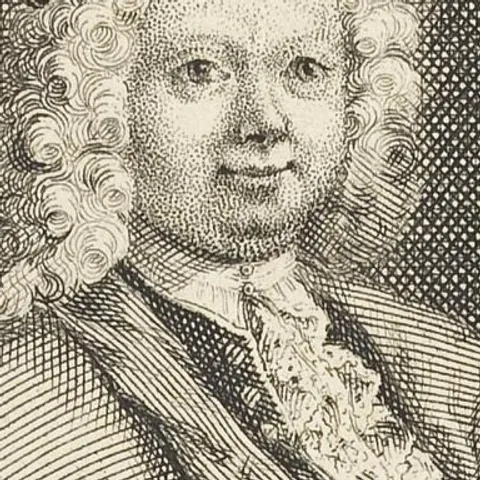
マルチェッロ・published c. 1717
胸にしみるアダージョ!バッハも編曲したオーボエの名曲。
オーボエ協奏曲 ニ短調のページへバッハ・c. 1720
ヴァイオリン1本で、宇宙のように大きな世界を描く傑作。
無伴奏ヴァイオリン・パルティータ第2番 ニ短調より「シャコンヌ」のページへバッハ・1723
やさしく流れるメロディーにのって、合唱が祈りを歌う名曲。
カンタータ第147番より「主よ、人の望みの喜びよ」のページへ
 MP3