
カノン
Canon in D
パッヘルベル・c. 1680–1706
同じ8つの音が28回!なのに聴くたび胸がいっぱいになる曲。
カノンとジーグ ニ長調 より「カノン」のページへ
Piano · D. 935 No. 3 (Op. 142 No. 3) · 1827
フランツ・シューベルト(1797–1828)
あの「ロザムンデ」のメロディが、5つの姿に大変身!The Rosamunde tune in five new costumes.
PUBLIC DOMAIN RECORDING
CC BY 3.0 無料でダウンロードOK 別の演奏で聴く 1:Franz Schubert
ANOTHER RECORDING 1
CC BY-SA 2.0WATCH ON YOUTUBE
 Valentina Lisitsa. Schubert Impromptu op. 142 No.3 B flat major
Valentina Lisitsa QOR Records Official channel(YouTube) YouTube で開く ↗
Eric Lu performs Schubert Impromptu No. 3 (Op. posth. 142): Thema & Variation I
Warner Classics(YouTube) YouTube で開く ↗
左の音源は権利が切れた録音なのでダウンロードできます。右の動画は YouTube の公式の埋め込みで見るもので、ダウンロードはできません(動画の権利は各チャンネルにあります)。
 もっと名演を観る YouTube で何百万回も再生された人気の演奏
Schubert: 4 Impromptus Op. 142, D.935: No. 3 in B flat: Theme (Andante) with Variations
András Schiff - Topic(YouTube) YouTube で開く ↗

ホー!テーマと5つの変奏でできた、ピアノの変身ショーなんだ。
 この曲のおはなし The Story
1827年12月にシューベルトが書いた4曲の即興曲(作品142)の3曲目です。やさしく、少しなつかしいテーマのあと、5つの変奏が続きます。「変奏」とは、同じメロディのリズムや飾りを変えて、ちがう姿で聴かせることです。シューベルトの即興曲の中でも、とくに親しまれている1曲です。This is the third of the four Impromptus, Op. 142, that Schubert wrote in December 1827. A gentle, slightly nostalgic theme is followed by five variations. A "variation" presents the same melody in a new form, with different rhythms or decorations. It is one of the best-loved of Schubert's impromptus.
テーマは、劇音楽「ロザムンデ」の間奏曲や弦楽四重奏曲第13番に出てくるメロディとよく似ています。シューベルトはこのメロディを何度も使うほど気に入っていたのでしょう。変奏では、細かい音でかざられたり、短調になって悲しげになったり、遠い調に移って夢のようになったりと、さまざまな表情を見せます。The theme is very similar to a melody in the Entr'acte from "Rosamunde" and in String Quartet No. 13. Schubert must have loved this tune to use it so many times. In the variations, it is decorated with quick notes, turns sad in a minor key, and drifts into a distant key like a dream.
作品142の4曲は、シューベルトの死後の1839年にディアベリ社から出版されました。このとき出版社は、楽譜をピアノの名人リストにささげています。シューマンは批評の中で、1曲目はソナタの第1楽章のようだと書き、この曲集をソナタに近いものと考えました。4曲全体を1つのソナタと見るかどうかは、今も意見が分かれています。The four pieces of Op. 142 were published by Diabelli in 1839, after Schubert's death. The publisher dedicated them to the great pianist Franz Liszt. In his review, Schumann wrote that the first piece was like the first movement of a sonata, and he saw the set as close to a sonata. People still disagree about whether all four pieces form one sonata.
This piano piece has one theme and five variations. A variation changes the theme a little. Sometimes it is fast, and sometimes it is sad. The same tune is in Schubert's music for a play. He seems to have liked this melody very much!このピアノ曲は、1つのテーマと5つの変奏でできています。変奏は、テーマを少し変えたものです。速くなったり、悲しくなったりします。同じメロディは、シューベルトのお芝居の音楽にも出てきます。彼はこのメロディがとても気に入っていたようです!
 聴きどころ Listening Guide
 えっ!?ネタ Surprising Facts
 タップすると答えが開きます
このテーマは、1823年の劇音楽「ロザムンデ」の間奏曲、1824年の弦楽四重奏曲第13番の第2楽章にも、よく似た形で登場します。シューベルトは、何度も使ったこのメロディを、劇・室内楽・ピアノ曲と、ちがう場所で生まれ変わらせたのです。
This theme also appears, in a very similar form, in the Entr'acte from "Rosamunde" (1823) and in the second movement of String Quartet No. 13 (1824). Schubert gave this melody, which he used again and again, new lives in theater music, chamber music and piano music.
作品142の出版は1839年、シューベルトが亡くなってから10年以上あとでした。出版社のディアベリは、当時ヨーロッパを代表する人気ピアニストの1人だったリストに、この曲集をささげました。リストは、シューベルトの歌曲をたくさんピアノ用に編曲して、その音楽を広めた人でもあります。
Op. 142 was published in 1839, more than ten years after Schubert died. The publisher, Diabelli, dedicated the set to Liszt, one of the most celebrated pianists in Europe. Liszt also helped spread Schubert's music by arranging many of his songs for piano.
シューマンは作品142の4曲を見て、1曲目はソナタの第1楽章のようだと考え、曲集をソナタに近いものと見ました。ところが、この3曲目の変奏曲は「平凡」だとして、あまりほめませんでした。今では大人気の曲なのに、意外ですね。ただし、シューベルト自身はこれらを「即興曲」と呼んでいました。
Schumann looked at the four pieces of Op. 142 and felt that the first was like the opening movement of a sonata, so he saw the set as close to a sonata. But he did not think much of this third piece, calling its variations unremarkable. That is surprising, since it is so popular today! However, Schubert himself called them "impromptus."
第3変奏では変ロ短調になって悲しげに、第4変奏では変ト長調という少し遠い調に移って、夢を見ているような響きになります。同じメロディなのに、調が変わるだけで景色ががらりと変わる。シューベルトが得意とした「転調の魔法」を味わえます。
In Variation 3, the music turns sad in B-flat minor. In Variation 4, it moves to G-flat major, a more distant key, and sounds like a dream. The melody is the same, but changing the key changes the whole landscape. This is Schubert's famous "magic of key changes."
ENGLISH × MASTERPIECE
 音楽の「変奏」から。日常でも「よくある話の変化形」「焼き直し」の意味で使います。
 この曲で覚える英単語 Words
 クイズに挑戦 Quiz
 この録音について(著作権・出典) Credits
MORE MASTERPIECES
パッヘルベル・c. 1680–1706
同じ8つの音が28回!なのに聴くたび胸がいっぱいになる曲。
カノンとジーグ ニ長調 より「カノン」のページへパッヘルベル・c. 1680–1706
あの「カノン」には、はずむ相棒がいた!知られざる後半戦。
カノンとジーグ ニ長調 より「ジーグ」のページへ
バッハ・c. 1703–1707 (?)
音楽の授業でおなじみ!4つの声が同じテーマで追いかけっこ。
小フーガ ト短調のページへ
ヴィヴァルディ・published 1711
2本のヴァイオリンが火花を散らす!バッハも編曲した熱い協奏曲。
協奏曲集『調和の霊感』第8番 イ短調(2つのヴァイオリンのための協奏曲)のページへバッハ・1713
2本のリコーダーがやさしく鳴る、のどかな牧場の歌。
カンタータ第208番より「羊は安らかに草を食み」のページへ
コレッリ・published 1714
聖なる夜のために。最後に羊飼いの笛のようなパストラーレが流れます。
合奏協奏曲 ト短調「クリスマス協奏曲」のページへ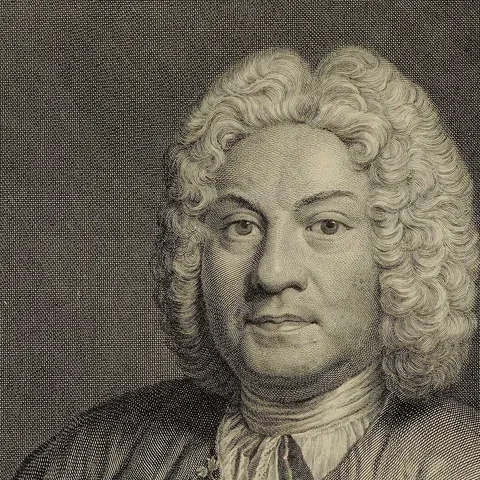
クープラン・published 1717
題名の意味はだれも知らない!やわらかく波打つ、なぞの名曲。
神秘的なバリケードのページへ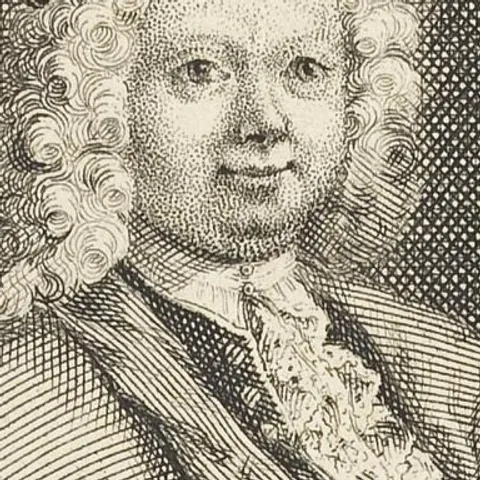
マルチェッロ・published c. 1717
胸にしみるアダージョ!バッハも編曲したオーボエの名曲。
オーボエ協奏曲 ニ短調のページへ
 MP3