
テ・デウム
Te Deum
シャルパンティエ・c. 1688–1698
パンパカパーン!ヨーロッパのテレビの幕開けを飾ってきた、ごうかな前奏曲。
テ・デウム ニ長調のページへ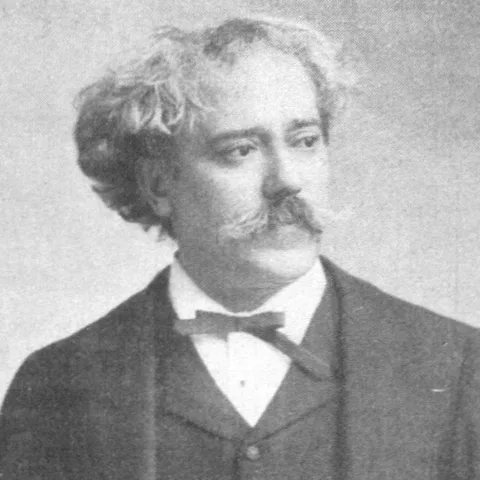
Chamber · Op. 23 No. 2 · 1880
パブロ・マルティン・メリトン・デ・サラサーテ・イ・ナバスクエス(1844–1908)
かかとでカカカッ!踊り手の足音をヴァイオリンでまねする超絶技巧曲。Tap-tap-tap! A violin showpiece that copies a dancer's flying feet.
WATCH ON YOUTUBE
この曲は、権利の切れた高音質の録音がまだ見つからないため、YouTube の公式チャンネルなどの名演でお楽しみください(ダウンロードはできません)。YouTube でほかの演奏もさがす ↗
 サラサーテ『サパテアード』(Sarasate / Zapateado)
高松あい_violin(YouTube) YouTube で開く ↗
SARASATE: Zapateado | Antal Zalai, violin
Antal Zalai • Violin • prof. Brussels Conservatory(YouTube) YouTube で開く ↗
Midori Goto Sarasate Zapateado
Nodame2006(YouTube) YouTube で開く ↗
ホー!弓を使わず、左手の指で弦をはじく音も出てくるよ。よーく聴いてね。
 この曲のおはなし The Story
「サパテアード」は、スペインのヴァイオリンの名手パブロ・デ・サラサーテが書いた、ヴァイオリンとピアノのための曲です。サパテアードとは、靴のかかとやつま先で床を打ち鳴らす、スペインの踊りのこと。ヴァイオリンは、はずむようなリズムで、まるで踊り手が足を鳴らしているかのような音を次々にくり出します。Zapateado is a piece for violin and piano by Pablo de Sarasate, the great Spanish violinist. A zapateado is a Spanish dance in which dancers beat the floor with their heels and toes. With bouncing rhythms, the violin plays one sound after another, as if a dancer is stamping their feet.
サラサーテは、スペインの踊りや歌をもとにしたヴァイオリン曲「スペイン舞曲集」を、全4巻・8曲書きました。「サパテアード」はその第3巻(作品23)の2曲目で、1880年に出版されています。弓ではなく左手の指で弦をはじく奏法や、口笛のような高い音を出すフラジオレットなど、難しい技がぎっしりつまっています。Sarasate wrote Spanish Dances, eight violin pieces in four books, inspired by Spanish dances and songs. Zapateado is the second piece in Book 3 (Op. 23), published in 1880. It is packed with difficult techniques, such as plucking the strings with the left-hand fingers instead of using the bow, and playing harmonics—high, whistle-like notes.
サラサーテは、美しく澄んだ音と、難しい曲を楽々と弾きこなす技で、ヨーロッパ中で大人気でした。「スペイン舞曲集」は彼が自分のコンサートで弾くための曲でもあり、今も世界中のヴァイオリニストがアンコールなどで弾いています。チェロなど、ほかの楽器でもよく演奏されます。Sarasate was hugely popular across Europe for his pure, beautiful tone and the way he played hard music with ease. He wrote the Spanish Dances partly to play at his own concerts, and violinists around the world still play them today, often as encores. Zapateado is also often played on other instruments, such as the cello.
This is a fast piece for violin and piano. It comes from a Spanish dance. In the dance, people hit the floor with their shoes. The violin copies the sound of the dancing feet! It is very hard to play.これはヴァイオリンとピアノのための速い曲です。スペインの踊りがもとになっています。その踊りでは、靴で床を打ち鳴らします。ヴァイオリンが、踊る足の音をまねするのです!弾くのはとても難しい曲です。
 聴きどころ Listening Guide
 えっ!?ネタ Surprising Facts
 タップすると答えが開きます
サパテアードの踊りでは、踊り手が靴のかかとで床を打ち、細かいリズムを生み出します。サラサーテはそれをヴァイオリンで表そうとして、左手で弦をはじくピチカートや、するどいリズムを組み合わせました。目を閉じて聴くと、カツカツという足音が聞こえてきそうです。
In the zapateado, dancers beat the floor with their heels to make quick rhythms. Sarasate tried to show this on the violin, mixing left-hand pizzicato (plucking the strings) with sharp rhythms. Close your eyes, and you may hear the tapping of feet.
サラサーテのために書かれた名曲はたくさんあります。ラロの「スペイン交響曲」、サン=サーンスの「ヴァイオリン協奏曲第3番」と「序奏とロンド・カプリチオーソ」、ブルッフの「スコットランド幻想曲」は、どれもサラサーテにささげられた作品です。作曲家たちをひきつけた、特別な演奏家だったのです。
Many great works were written for Sarasate. Lalo's Symphonie espagnole, Saint-Saëns's Violin Concerto No. 3 and Introduction and Rondo Capriccioso, and Bruch's Scottish Fantasy were all dedicated to him. He was a special player who inspired many composers.
サラサーテは、名器ストラディヴァリウスを2台持っていました。1724年製のメインの1台は遺言によってパリ音楽院に遺され、今はパリの音楽博物館に「サラサーテ・ストラディヴァリウス」として残っています。もう1台は、マドリードの音楽院が持っています。
Sarasate owned two Stradivarius violins. His main one, made in 1724, was left to the Paris Conservatoire in his will and is now kept at the Musée de la Musique in Paris as the 'Sarasate Stradivarius'. The other one belongs to the music conservatory in Madrid.
サラサーテは1844年、牛追い祭りで有名なスペインのパンプローナで生まれました。故郷を愛したサラサーテは、有名になってからも毎年7月のサン・フェルミン祭のころに帰ってきて、演奏したと言われています。今もパンプローナには、彼の名前のついた通りがあります。
Sarasate was born in 1844 in Pamplona, Spain, a city famous for its running of the bulls. He loved his hometown, and it is said that even after he became famous, he came back every July around the San Fermín festival to perform. Today, Pamplona has a street named after him.
ENGLISH × MASTERPIECE
 つま先立ちで、いつでも動けるようにしているようすから。keep someone on their toes の形も。
 この曲で覚える英単語 Words
 クイズに挑戦 Quiz
 著作権について Credits
MORE MASTERPIECES
シャルパンティエ・c. 1688–1698
パンパカパーン!ヨーロッパのテレビの幕開けを飾ってきた、ごうかな前奏曲。
テ・デウム ニ長調のページへクラーク・c. 1700
結婚式の大定番。でも作曲者は長いあいだ取りちがえられていた!
トランペット・ヴォランタリー(デンマーク王子の行進)のページへ
バッハ・c. 1707–1710 (?)
キラキラの駆け上がりで幕開け!若きバッハのはなやかな鍵盤ショー。
トッカータ ニ長調のページへ
ヴィヴァルディ・published 1711
2本のヴァイオリンが火花を散らす!バッハも編曲した熱い協奏曲。
協奏曲集『調和の霊感』第8番 イ短調(2つのヴァイオリンのための協奏曲)のページへヴィヴァルディ・c. 1715
オクターブがぴょんぴょん跳ねる!喜びがはじける合唱の名曲。
グローリア ニ長調のページへ
テレマン・c. 1710–1720 (?)
バルブのないラッパで高音をきらり!バロックのトランペットの晴れ舞台。
トランペット協奏曲 ニ長調のページへ
ヘンデル・1717
テムズ川の船の上で国王のために!夏の夜の水上コンサート。
水上の音楽のページへバッハ・1720
止まらない!キラキラ走る、ヴァイオリン1本の大はしゃぎ。
無伴奏ヴァイオリン・パルティータ第3番 ホ長調より「プレリュード」のページへ
 MP3