
アブデラザール
Abdelazer Rondeau
パーセル・1695
ブリテンが「オーケストラ入門」のテーマに選んだ、かっこいいメロディー。
劇音楽「アブデラザール」より ロンドのページへ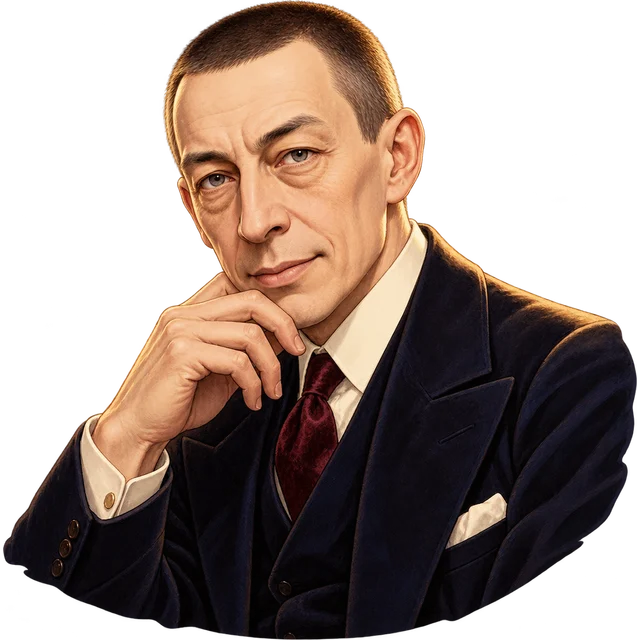
Concerto · Op. 30 · 1909
セルゲイ・ラフマニノフ(1873–1943)
ピアノ協奏曲のエベレスト!弾き手もふるえる超大作。The Mount Everest of piano concertos!
PUBLIC DOMAIN RECORDING
PD / CC0 無料でダウンロードOKWATCH ON YOUTUBE
 Concertgebouworkest - Piano Concerto No. 3 - Rachmaninoff
Concertgebouworkest(YouTube) YouTube で開く ↗
Rachmaninoff - Piano Concerto No. 3 Denis Matsuev
Andres Zeledon(YouTube) YouTube で開く ↗
左の音源は権利が切れた録音なのでダウンロードできます。右の動画は YouTube の公式の埋め込みで見るもので、ダウンロードはできません(動画の権利は各チャンネルにあります)。
 もっと名演を観る YouTube で何百万回も再生された人気の演奏
REMASTERED: Yunchan Lim 임윤찬 – RACHMANINOV Piano Concerto No. 3 in D Minor, op. 30
The Cliburn(YouTube) YouTube で開く ↗
Rachmaninoff: Piano Concerto No. 3 | Khatia Buniatishvili, Neeme Järvi, Verbier Festival
DW Classical Music(YouTube) YouTube で開く ↗
Rachmaninoff: Piano Concerto No. 3 - Anna Fedorova - Live concert HD
AVROTROS Klassiek(YouTube) YouTube で開く ↗
Rachmaninoff: Piano Concerto #3 (Weissenberg 1968) [with score]
Richard Gallagher(YouTube) YouTube で開く ↗

ホー!ラフマニノフはアメリカへの船の上で、音の出ない鍵盤で練習したと言われるよ。
 この曲のおはなし The Story
ピアノ協奏曲第3番は、ロシアの作曲家でピアニストのセルゲイ・ラフマニノフが1909年に書いた作品です。演奏時間が長く、音の数がとても多いことから、世界でもっともむずかしいピアノ協奏曲のひとつと言われ、「ラフ3」という愛称でも親しまれています。冒頭、ピアノが静かにうたうシンプルなメロディーから、壮大な音楽の旅が始まります。Piano Concerto No. 3 was written in 1909 by the Russian composer and pianist Sergei Rachmaninoff. Because it is long and has so many notes, it is said to be one of the most difficult piano concertos in the world. It is also known by the nickname 'Rach 3'. The great musical journey begins with a simple, quiet melody sung by the piano.
ラフマニノフはこの曲を、初めてのアメリカ演奏旅行のために、1909年の夏、ロシアのイワノフカの領地で書き上げました。大西洋をわたる船の上では、音の出ない練習用の鍵盤で指をならしたと言われています。冒頭のメロディーが「ロシアの教会の聖歌から取られたのでは」と言われたとき、ラフマニノフは「民謡からも教会音楽からも借りていない。ひとりでに書けたのだ」と答えています。Rachmaninoff wrote this concerto for his first concert tour of America, finishing it in the summer of 1909 at Ivanovka, a country estate in Russia. It is said that on the ship crossing the Atlantic, he practiced on a silent keyboard. When people suggested that the opening melody came from Russian church chant, Rachmaninoff replied that it was borrowed neither from folk songs nor from church music. It simply 'wrote itself', he said.
初演は1909年11月、ニューヨークで、ラフマニノフ自身のピアノ、ダムロッシュの指揮で行われました。翌1910年1月には、なんとマーラーの指揮でも演奏されています。のちにホロヴィッツが得意曲として広め、1996年の映画「シャイン」では主人公のピアニストがこの曲に挑む姿が描かれ、この協奏曲はさらに多くの人に知られるようになりました。The premiere took place in New York in November 1909, with Rachmaninoff at the piano and Walter Damrosch conducting. In January 1910 it was played again, this time conducted by none other than Gustav Mahler. Later, Vladimir Horowitz made it famous as one of his specialties. The 1996 film Shine, in which the main character, a pianist, takes on this concerto, brought the work to an even wider audience.
This is a piano concerto by Rachmaninoff. It is very long and very difficult. He wrote it for his first trip to America. People say he practiced on a keyboard with no sound on the ship! The film Shine made it even more famous.これはラフマニノフのピアノ協奏曲です。とても長くて、とてもむずかしい曲です。彼は初めてのアメリカ旅行のためにこの曲を書きました。船の上では、音の出ない鍵盤で練習したそうです!映画「シャイン」で、この曲はもっと有名になりました。
 聴きどころ Listening Guide
 えっ!?ネタ Surprising Facts
 タップすると答えが開きます
1909年、ラフマニノフはこの新しい協奏曲をたずさえてアメリカへ向かいました。完成したばかりでまだ指になじんでいなかったため、船の上では音の出ない練習用の鍵盤を使って練習したと言われています。超難曲を、頭の中だけで鳴らしながら弾いていたのです。
In 1909, Rachmaninoff sailed to America with his brand-new concerto. It is said that because the piece was so new that his fingers did not know it well yet, he practiced on a silent keyboard on the ship. He played this super-difficult music with the sound only in his head.
ラフマニノフはこの曲を、名ピアニストのヨーゼフ・ホフマンにささげました。ところがホフマンは、この曲を人前で弾くことはありませんでした。「自分向きの曲ではない」と考えたためだと言われています。ラフマニノフにくらべて手が小さかったことが理由だという説もあります。
Rachmaninoff dedicated this concerto to the great pianist Josef Hofmann. But Hofmann never played it in public. It is said that he felt it was not the right piece for him. Some say the reason was that his hands were much smaller than Rachmaninoff's.
第1楽章には、ピアノがひとりで腕前を見せる「カデンツァ」が2種類用意されています。和音がずっしり重なる大がかりなものと、軽やかなもの。ピアニストはどちらかを選んで弾きます。ラフマニノフ自身の録音では、軽やかなほうが弾かれています。
The first movement has two versions of its cadenza, the passage where the piano shows off alone. One is huge and full of heavy chords, and the other is lighter. Pianists choose one of them. In Rachmaninoff's own recording, he plays the lighter one.
初演の翌年、1910年1月にニューヨークで行われた演奏では、交響曲で有名なマーラーが指揮をつとめました。ラフマニノフはのちに、マーラーがオーケストラと細かいところまでねばり強く練習したことに感心した、と語ったと伝えられています。2人の大作曲家による歴史的な共演でした。
In January 1910, the year after the premiere, the concerto was performed in New York with Gustav Mahler, famous for his symphonies, conducting. Rachmaninoff is said to have recalled how impressed he was that Mahler rehearsed every detail with the orchestra so patiently. It was a historic meeting of two great composers.
ENGLISH × MASTERPIECE
 目の前に高い山がそびえるイメージ。have a mountain to climb で「大変な課題がある」。
 この曲で覚える英単語 Words
 クイズに挑戦 Quiz
 この録音について(著作権・出典) Credits
MORE MASTERPIECES
パーセル・1695
ブリテンが「オーケストラ入門」のテーマに選んだ、かっこいいメロディー。
劇音楽「アブデラザール」より ロンドのページへ
バッハ・c. 1704 (?)
タラリ〜!一度聴いたら忘れない、オルガンの大迫力の幕開け。
トッカータとフーガ ニ短調のページへバッハ・c. 1703–1707 (?)
音楽の授業でおなじみ!4つの声が同じテーマで追いかけっこ。
小フーガ ト短調のページへバッハ・c. 1706–1713
足が弾く低いテーマが21回!重くて壮大な、オルガンの大建築。
パッサカリアとフーガ ハ短調のページへバッハ・c. 1707–1710 (?)
キラキラの駆け上がりで幕開け!若きバッハのはなやかな鍵盤ショー。
トッカータ ニ長調のページへ
ヴィヴァルディ・published 1711
2本のヴァイオリンが火花を散らす!バッハも編曲した熱い協奏曲。
協奏曲集『調和の霊感』第8番 イ短調(2つのヴァイオリンのための協奏曲)のページへ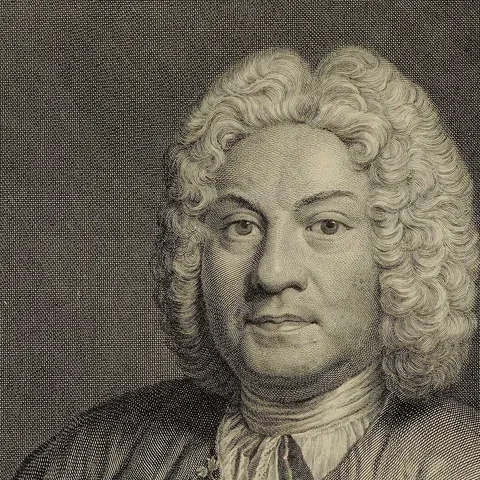
クープラン・published 1717
題名の意味はだれも知らない!やわらかく波打つ、なぞの名曲。
神秘的なバリケードのページへバッハ・c. 1720
チェロ1本だけで、こんなに豊かな世界が広がる!
無伴奏チェロ組曲 第1番 ト長調のページへ
 MP3