
パッヘルベルのジーグ
Pachelbel's Gigue
パッヘルベル・c. 1680–1706
あの「カノン」には、はずむ相棒がいた!知られざる後半戦。
カノンとジーグ ニ長調 より「ジーグ」のページへ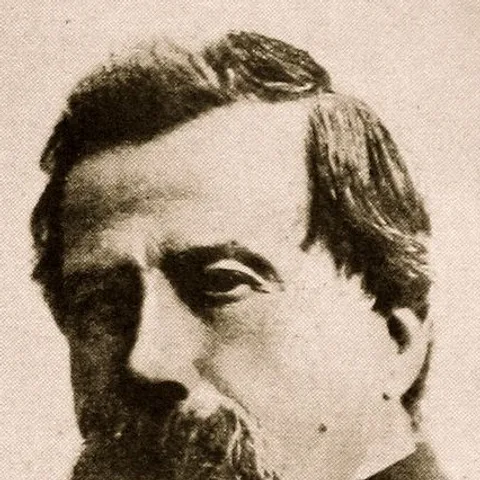
Ballet · · 1876
アミルカレ・ポンキエッリ(1834–1886)
夜明け・昼・夕方・夜…「時間」たちがおどる楽しいバレエ。Dawn, day, evening and night dance across the stage.
PUBLIC DOMAIN RECORDING
CC BY-SA 3.0 無料でダウンロードOKWATCH ON YOUTUBE
 Dance of the Hours from La Gioconda by Amilcare Ponchielli Sylwia Janiak-Kobylinska & aMuz Orchestra
Akademia Filmu i Telewizji(YouTube) YouTube で開く ↗
Amilcare Ponchielli - Dance of the Hours (1876)
Bartje Bartmans(YouTube) YouTube で開く ↗
左の音源は権利が切れた録音なのでダウンロードできます。右の動画は YouTube の公式の埋め込みで見るもので、ダウンロードはできません(動画の権利は各チャンネルにあります)。
 もっと名演を観る YouTube で何百万回も再生された人気の演奏
Amilcare Ponchielli - Dance of the Hours
cresta141(YouTube) YouTube で開く ↗
Ponchielli Dance of the Hours from the 1940 Disney film Fantasia
Peter Chen 2.0(YouTube) YouTube で開く ↗
Dance of the Hours from Ballet "Gioconda" - Vaganova Ballet Academy
Vaganova Blog(YouTube) YouTube で開く ↗
"Danza de las Horas ("La Gioconda")" de A. Ponchielli.
YouMoreTv - Cultura(YouTube) YouTube で開く ↗

ホー!ディズニー映画『ファンタジア』では、カバやワニがこの曲でおどったよ。
 この曲のおはなし The Story
「時の踊り」は、イタリアの作曲家ポンキエッリのオペラ「ラ・ジョコンダ」の第3幕で踊られるバレエ音楽です。夜明け、昼、夕方、夜という1日の「時」を、ダンサーたちがそれぞれ表し、光と闇のたたかいを描きます。静かな夜明けから始まり、最後は速くにぎやかなフィナーレで大いに盛り上がります。Dance of the Hours is ballet music from Act 3 of La Gioconda, an opera by the Italian composer Amilcare Ponchielli. Groups of dancers stand for the hours of the day—dawn, day, evening and night—and show the struggle between light and darkness. It begins with a quiet dawn and ends with a fast, lively finale.
「ラ・ジョコンダ」は、フランスの作家ヴィクトル・ユゴーの劇をもとにした、17世紀のヴェネツィアが舞台の悲劇です。「時の踊り」は、貴族の館で開かれる豪華なパーティーで、客をもてなす出し物として踊られます。当時のイタリア・オペラでは、こうしたはなやかなバレエの場面がとても人気でした。La Gioconda is a tragedy set in 17th-century Venice, based on a play by the French writer Victor Hugo. Dance of the Hours is performed as entertainment for the guests at a grand party in a nobleman's palace. In Italian opera of that time, colorful ballet scenes like this were very popular.
オペラは1876年、ミラノのスカラ座で初演されました。「時の踊り」はオペラ全体よりも有名になり、単独で演奏されることも多くなりました。1940年のディズニー映画『ファンタジア』では、ダチョウやカバ、ゾウ、ワニがバレエを踊るユーモラスな場面に使われ、この映画でこの曲を知った子どもたちもたくさんいます。The opera was first performed at La Scala in Milan in 1876. Dance of the Hours became even more famous than the whole opera and is often played on its own. In Disney's 1940 film Fantasia, it was used for a funny scene in which ostriches, hippos, elephants and alligators dance ballet, and many children have come to know the music through the film.
This is music for dancing in an opera. The dancers show the hours of the day. First comes the morning, and last comes the night. At the end, the music is very fast and fun. In a Disney movie, hippos and alligators dance to it!これはオペラの中の、踊りのための音楽です。ダンサーたちが1日の時間を表します。はじめに朝が来て、最後に夜が来ます。最後は音楽がとても速く、楽しくなります。ディズニー映画では、カバやワニがこの曲で踊ります!
 聴きどころ Listening Guide
 えっ!?ネタ Surprising Facts
 タップすると答えが開きます
台本の作者名は「トビア・ゴッリオ」となっていますが、これは作曲家・詩人のアッリーゴ・ボーイトの名前の文字を並べかえたペンネームです。ボーイトは、のちにヴェルディのオペラ「オテロ」や「ファルスタッフ」の台本を書いたことで知られています。
The libretto was credited to 'Tobia Gorrio', but this was a pen name made by rearranging the letters of Arrigo Boito, a composer and poet. Boito later became famous for writing the librettos of Verdi's Otello and Falstaff.
ポンキエッリはミラノ音楽院で作曲を教え、生徒の中には、のちの大作曲家プッチーニやマスカーニがいました。ポンキエッリは若いプッチーニを応援し、オペラ作曲家への道を開いた一人とも言われています。
Ponchielli taught composition at the Milan Conservatory, and his students included the future great composers Puccini and Mascagni. He is said to have supported the young Puccini and helped open his path to becoming an opera composer.
ディズニー映画『ファンタジア』(1940年)では、朝はダチョウ、昼はカバ、夕方はゾウ、夜はワニが登場し、この曲に合わせて大まじめにバレエを踊ります。優雅な音楽と、重たそうな動物たちの組み合わせが大笑いをさそう名場面です。
In Disney's Fantasia (1940), ostriches appear for the morning, hippos for the day, elephants for the evening and alligators for the night, all dancing ballet very seriously to this music. The mix of elegant music and heavy animals makes it a hilarious scene.
1963年、アメリカのコメディアン、アラン・シャーマンは、このメロディーに「ハロー・マダー、ハロー・ファダー」という歌詞をつけました。サマーキャンプに来た子どもが、両親に不満だらけの手紙を書くというゆかいな歌で、アメリカで大ヒットしました。
In 1963, the American comedian Allan Sherman set new words to this melody in 'Hello Muddah, Hello Fadduh'. In this funny song, a child at summer camp writes a letter full of complaints to his parents. It became a big hit in America.
ENGLISH × MASTERPIECE
 とても短い時間のたとえ。in a flash もほぼ同じ意味です。
 この曲で覚える英単語 Words
 クイズに挑戦 Quiz
 この録音について(著作権・出典) Credits
MORE MASTERPIECES
パッヘルベル・c. 1680–1706
あの「カノン」には、はずむ相棒がいた!知られざる後半戦。
カノンとジーグ ニ長調 より「ジーグ」のページへシャルパンティエ・c. 1688–1698
パンパカパーン!ヨーロッパのテレビの幕開けを飾ってきた、ごうかな前奏曲。
テ・デウム ニ長調のページへ
パーセル・1695
ブリテンが「オーケストラ入門」のテーマに選んだ、かっこいいメロディー。
劇音楽「アブデラザール」より ロンドのページへクラーク・c. 1700
結婚式の大定番。でも作曲者は長いあいだ取りちがえられていた!
トランペット・ヴォランタリー(デンマーク王子の行進)のページへ
バッハ・c. 1704 (?)
タラリ〜!一度聴いたら忘れない、オルガンの大迫力の幕開け。
トッカータとフーガ ニ短調のページへバッハ・c. 1707–1710 (?)
キラキラの駆け上がりで幕開け!若きバッハのはなやかな鍵盤ショー。
トッカータ ニ長調のページへ
ヴィヴァルディ・c. 1715
オクターブがぴょんぴょん跳ねる!喜びがはじける合唱の名曲。
グローリア ニ長調のページへ
テレマン・c. 1710–1720 (?)
バルブのないラッパで高音をきらり!バロックのトランペットの晴れ舞台。
トランペット協奏曲 ニ長調のページへ
 MP3