
パッヘルベルのジーグ
Pachelbel's Gigue
パッヘルベル・c. 1680–1706
あの「カノン」には、はずむ相棒がいた!知られざる後半戦。
カノンとジーグ ニ長調 より「ジーグ」のページへ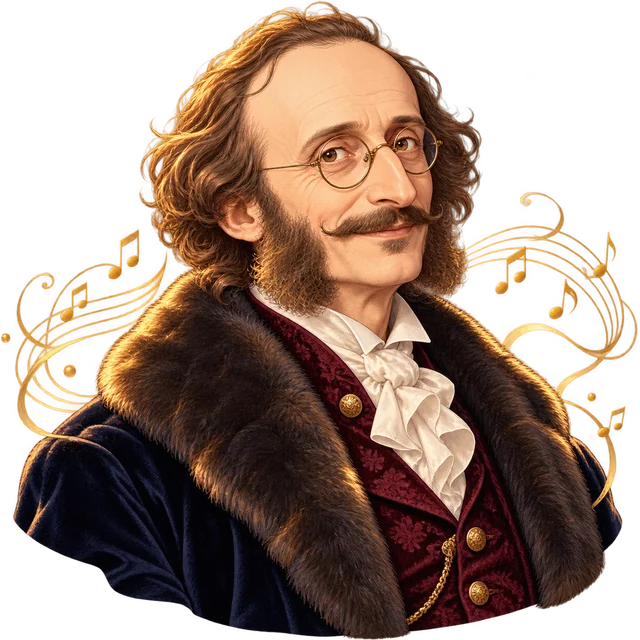
Opera · · 1858
ジャック・オッフェンバック(1819–1880)
運動会でおなじみ!神さまたちが地獄で大さわぎ。The gods throw a wild party in the underworld!
PUBLIC DOMAIN RECORDING
PD / CC0 無料でダウンロードOK 別の演奏で聴く 1:Gnissah
ANOTHER RECORDING 1
PD / CC0 別の演奏で聴く 2:Pracchia-78ANOTHER RECORDING 2
PD / CC0WATCH ON YOUTUBE
 Offenbach - Infernal Galop from "Orpheus in the Underworld" (Orchestre de Paris)
EuroArtsChannel(YouTube) YouTube で開く ↗
Orpheus in the Underworld - French Can Can (Final: Le Galop Infernal)
medici.tv(YouTube) YouTube で開く ↗
左の音源は権利が切れた録音なのでダウンロードできます。右の動画は YouTube の公式の埋め込みで見るもので、ダウンロードはできません(動画の権利は各チャンネルにあります)。
 もっと名演を観る YouTube で何百万回も再生された人気の演奏
Can Can from Orpheus in the Underworld: Gimnazija Kranj Symphony Orchestra (stunning performance!)
zevnikov(YouTube) YouTube で開く ↗
Offenbach - Can Can Music
LukasSchuch(YouTube) YouTube で開く ↗
Line Rider #5 - Can Can (Galop Infernal - Offenbach)
Matthew Buckley(YouTube) YouTube で開く ↗
Orpheus in the Underworld: Can Can
Charles Gerhardt - Topic(YouTube) YouTube で開く ↗

ホー!原題は「地獄のオルフェ」。「天国と地獄」は日本でつけられた題名なんだ。
 この曲のおはなし The Story
日本で「天国と地獄」と呼ばれるこの曲は、オッフェンバックの喜歌劇(オペレッタ)『地獄のオルフェ』の最後に出てくる「地獄のギャロップ」です。ギャロップは2拍子の速い踊り。足を高くけり上げる「カンカン踊り」の音楽としても有名になり、世界中で知られています。This piece, known in Japan as "Heaven and Hell," is the Infernal Galop from the end of Offenbach's operetta Orpheus in the Underworld. A galop is a fast dance in two beats. It also became famous as the music for the can-can, the dance with high kicks, and it is known all over the world.
このオペレッタは、ギリシャ神話のオルフェウスの物語をパロディにしたものです。神話では亡くなった妻を必死に取り戻しに行く感動の話ですが、オッフェンバック版では夫婦の仲がとても悪く、神さまたちもだらしなく遊んでばかり。当時のパリの上流社会を笑いのめす、風刺たっぷりの作品でした。This operetta is a parody of the Greek myth of Orpheus. In the myth, Orpheus bravely goes to the underworld to bring back his dead wife. But in Offenbach's version, the husband and wife do not get along at all, and the gods are lazy and only want to have fun. It was a sharp, funny satire of high society in Paris at the time.
1858年10月、パリのブフ・パリジャン座で初演されました。はじめは客の入りがいまひとつでしたが、ある有名な評論家が「神聖なものへの冒とくだ」とはげしく批判したことで、かえって話題になり大ヒットしたと言われています。日本では運動会の徒競走の音楽としておなじみです。It was first performed at the Théâtre des Bouffes-Parisiens in Paris in October 1858. At first, ticket sales were not very good. But it is said that when a famous critic attacked it as an insult to sacred things, people became curious, and it turned into a big hit. In Japan, it is a classic tune for races at school sports days.
This is very fast and fun music. In Japan, children often run to it at sports day. It comes from a funny opera about Greek gods. The gods have a big party in the underworld. Dancers kick their legs high to this music.これはとても速くて楽しい音楽です。日本では、運動会で子どもたちがこの曲に合わせてよく走ります。ギリシャの神さまたちの、おもしろいオペラから来た曲です。神さまたちが地獄で大パーティーをします。踊り手たちはこの音楽で足を高くけり上げます。
 聴きどころ Listening Guide
 えっ!?ネタ Surprising Facts
 タップすると答えが開きます
フランス語の原題は「地獄のオルフェ」で、「天国」という言葉は入っていません。物語には神々の住むオリンポス山と地獄の両方が出てきます。日本では『天国と地獄』という題名で親しまれています。
The original French title means "Orpheus in the Underworld." The word "heaven" is not in it. The story moves between Mount Olympus, where the gods live, and the underworld. In Japan, it is known as "Heaven and Hell."
評論家ジュール・ジャナンが新聞で「神話をけがす作品だ」とはげしく批判すると、オッフェンバックも言い返し、論争になりました。このさわぎで人々の好奇心がかき立てられ、劇場は大入りになったと言われています。
When the critic Jules Janin attacked the work in a newspaper for mocking the myth, Offenbach fired back, and a public argument began. It is said this fuss made people curious, and the theater was soon packed.
コンサートでよく演奏される『天国と地獄』序曲は、オッフェンバック自身ではなく、1860年のウィーン上演のときにカール・ビンダーという音楽家がまとめたものです。最後にカンカンのメロディーが登場するので、とても人気があります。
The popular overture to Orpheus in the Underworld that we hear in concerts was not put together by Offenbach. It was arranged by a musician named Carl Binder for a production in Vienna in 1860. It ends with the can-can tune, which is why it is so popular.
日本では運動会だけでなく、文明堂のカステラのテレビCMで、子グマの人形たちがこのメロディーに合わせて踊る姿でも長年親しまれてきました。「カステラ一番、電話は二番」の歌でおぼえている人も多いでしょう。
In Japan, besides sports days, this tune is famous from the long-running TV commercials for Bunmeido sponge cake, in which little bear puppets dance to it. Many people know it with the commercial's catchy words.
ENGLISH × MASTERPIECE
 「町を赤くぬる」→ 夜の街でにぎやかにお祝いする、という意味の口語。
 この曲で覚える英単語 Words
 クイズに挑戦 Quiz
 この録音について(著作権・出典) Credits
MORE MASTERPIECES
パッヘルベル・c. 1680–1706
あの「カノン」には、はずむ相棒がいた!知られざる後半戦。
カノンとジーグ ニ長調 より「ジーグ」のページへシャルパンティエ・c. 1688–1698
パンパカパーン!ヨーロッパのテレビの幕開けを飾ってきた、ごうかな前奏曲。
テ・デウム ニ長調のページへ
パーセル・1695
ブリテンが「オーケストラ入門」のテーマに選んだ、かっこいいメロディー。
劇音楽「アブデラザール」より ロンドのページへクラーク・c. 1700
結婚式の大定番。でも作曲者は長いあいだ取りちがえられていた!
トランペット・ヴォランタリー(デンマーク王子の行進)のページへ
バッハ・c. 1707–1710 (?)
キラキラの駆け上がりで幕開け!若きバッハのはなやかな鍵盤ショー。
トッカータ ニ長調のページへ
ヴィヴァルディ・published 1711
2本のヴァイオリンが火花を散らす!バッハも編曲した熱い協奏曲。
協奏曲集『調和の霊感』第8番 イ短調(2つのヴァイオリンのための協奏曲)のページへヴィヴァルディ・c. 1715
オクターブがぴょんぴょん跳ねる!喜びがはじける合唱の名曲。
グローリア ニ長調のページへ
テレマン・c. 1710–1720 (?)
バルブのないラッパで高音をきらり!バロックのトランペットの晴れ舞台。
トランペット協奏曲 ニ長調のページへ
 MP3