
パッヘルベルのジーグ
Pachelbel's Gigue
パッヘルベル・c. 1680–1706
あの「カノン」には、はずむ相棒がいた!知られざる後半戦。
カノンとジーグ ニ長調 より「ジーグ」のページへ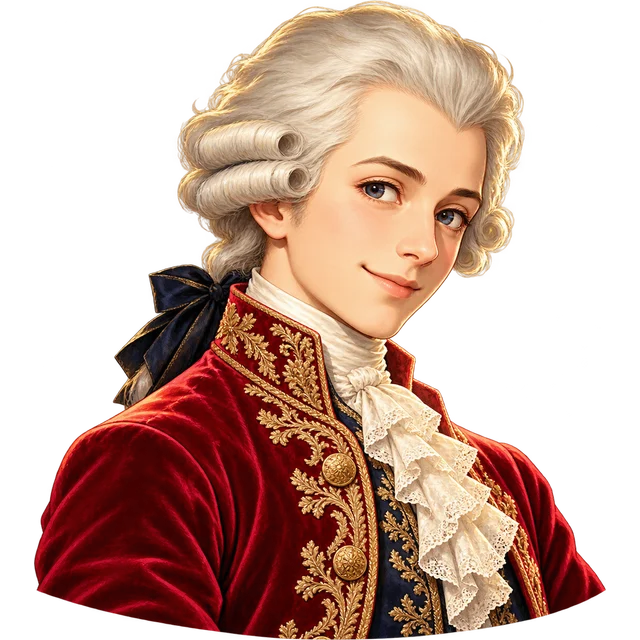
Concerto · K. 495 · 1786
ヴォルフガング・アマデウス・モーツァルト(1756–1791)
狩りの角笛が大はしゃぎ!友情とジョークがつまった協奏曲。A hunting-horn romp full of friendship and jokes.
WATCH ON YOUTUBE
この曲は、権利の切れた高音質の録音がまだ見つからないため、YouTube の公式チャンネルなどの名演でお楽しみください(ダウンロードはできません)。YouTube でほかの演奏もさがす ↗
 Stage@Seven: Mozart: Horn Concerto E-flat major K. 495 – Marc Gruber / Elias Grandy
hr-Sinfonieorchester – Frankfurt Radio Symphony(YouTube) YouTube で開く ↗
Rondo from Mozart's Horn Concerto Nr 4 - Berlin Philharmonic Brass
Sarah Willis(YouTube) YouTube で開く ↗
W.A.Mozart: Horn Concerto nr. 4 KV 495, Euregio Academy Orchestra, Annemarie Federle, Peter Bogaert
Euregio Orchestra Academy(YouTube) YouTube で開く ↗

ホー!自筆楽譜は、赤・緑・青・黒の4色のインクで書かれているんだ。
 この曲のおはなし The Story
ホルン協奏曲第4番は、モーツァルトが1786年6月26日に作品目録に記入した作品です。ザルツブルク時代からの古い友人で、名ホルン奏者のヨーゼフ・ロイトゲープのために書かれました。モーツァルトはロイトゲープのためにホルンの曲をいくつも書いていて、これはその中でも特に人気のある1曲です。Mozart entered Horn Concerto No. 4 in his catalogue on 26 June 1786. He wrote it for Joseph Leutgeb, a fine horn player and an old friend from Salzburg. Mozart wrote several horn works for Leutgeb, and this is one of the most popular.
当時のホルンには音を変えるバルブ(弁)がなく、出せる音がかぎられていました。奏者は、ベルの中に入れた手の形を変えて、足りない音を作り出していたのです。モーツァルトは、そんなホルンの得意な音を生かして、やわらかな歌と、狩りの合図のような元気なメロディーを書きました。Horns of that time had no valves, so they could play only certain notes. Players created the missing notes by changing the position of the hand inside the bell. Mozart made the most of the horn's best notes, writing soft, singing melodies and lively tunes like hunting calls.
最終楽章は、6拍子のはずむリズムで駆けまわる「狩りのロンド」です。この楽章は特に人気が高く、イギリスのコメディ・デュオ、フランダースとスワンは、このメロディーにユーモラスな歌詞を付けた「イル・ウィンド」という歌で笑いをとりました。今もホルンの代表的なレパートリーです。The finale is a 'hunting rondo' that gallops along in a bouncy six-beat rhythm. It is especially popular: the British comedy duo Flanders and Swann even set funny words to it in a song called 'Ill Wind'. It remains a staple of the horn repertoire.
Mozart wrote this music for his friend. His friend played the horn. Mozart liked to joke with him. The last part sounds like a happy hunting party.モーツァルトはこの曲を友だちのために書きました。その友だちはホルンを吹きました。モーツァルトは彼とふざけ合うのが好きでした。最後の部分は、楽しい狩りのように聞こえます。
 聴きどころ Listening Guide
 えっ!?ネタ Surprising Facts
 タップすると答えが開きます
この協奏曲の自筆楽譜は、赤・緑・青・黒の4色のインクで書かれています。ロイトゲープをからかうためのジョークだったという説や、強弱などの合図を色で分けたという説がありますが、本当の理由はわかっていません。
Mozart's handwritten score of this concerto is written in four colours of ink: red, green, blue and black. Some say it was a joke to tease Leutgeb; others think the colours marked things like loud and soft. Nobody knows the real reason.
別のホルン協奏曲(第1番)の自筆楽譜には、ホルンのパートの上に「さあ、ロバさん」「元気出せ」「ああ、ひどい音!」など、ロイトゲープをからかう言葉がイタリア語でたくさん書きこまれています。2人がそれだけ仲のよい友だちだったことがわかります。
On the manuscript of another horn concerto, No. 1, Mozart scribbled Italian comments over the horn part to tease Leutgeb, such as 'Over to you, Mr Donkey', 'Courage!' and 'Oh, what a sour note!' They show what close friends the two men were.
ロイトゲープはウィーンに移ったあと、チーズなどを売る店を営んでいたと言われています。ホルン奏者として演奏を続けながら、商売もしていたのです。ただし、店の実際のようすについては、研究者のあいだでも意見が分かれています。
After moving to Vienna, Leutgeb is said to have run a shop selling cheese and other goods, while still performing as a horn player. However, scholars disagree about the details of this shop.
モーツァルトのホルン協奏曲の番号は、作られた順番どおりではありません。たとえば「第1番」と呼ばれる曲は、じつは晩年の1791年ごろに書かれたものだと考えられています。番号は、昔の研究で付けられたものがそのまま使われているのです。
The numbers of Mozart's horn concertos do not match the order in which they were written. For example, the one called 'No. 1' is now thought to have been written late in his life, around 1791. The numbers come from older research and are still used today.
ENGLISH × MASTERPIECE
 「元気いっぱいで、はしゃいでいる」。主にイギリス英語のくだけた言い方です。
 この曲で覚える英単語 Words
 クイズに挑戦 Quiz
 著作権について Credits
MORE MASTERPIECES
パッヘルベル・c. 1680–1706
あの「カノン」には、はずむ相棒がいた!知られざる後半戦。
カノンとジーグ ニ長調 より「ジーグ」のページへシャルパンティエ・c. 1688–1698
パンパカパーン!ヨーロッパのテレビの幕開けを飾ってきた、ごうかな前奏曲。
テ・デウム ニ長調のページへクラーク・c. 1700
結婚式の大定番。でも作曲者は長いあいだ取りちがえられていた!
トランペット・ヴォランタリー(デンマーク王子の行進)のページへ
バッハ・c. 1707–1710 (?)
キラキラの駆け上がりで幕開け!若きバッハのはなやかな鍵盤ショー。
トッカータ ニ長調のページへ
ヴィヴァルディ・published 1711
2本のヴァイオリンが火花を散らす!バッハも編曲した熱い協奏曲。
協奏曲集『調和の霊感』第8番 イ短調(2つのヴァイオリンのための協奏曲)のページへヴィヴァルディ・c. 1715
オクターブがぴょんぴょん跳ねる!喜びがはじける合唱の名曲。
グローリア ニ長調のページへ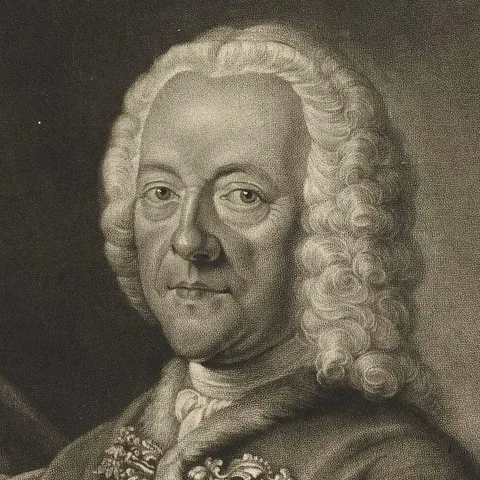
テレマン・c. 1710–1720 (?)
バルブのないラッパで高音をきらり!バロックのトランペットの晴れ舞台。
トランペット協奏曲 ニ長調のページへ
ヘンデル・1717
テムズ川の船の上で国王のために!夏の夜の水上コンサート。
水上の音楽のページへ
 MP3