
ダイドーの嘆き
Dido's Lament
パーセル・by 1689
「わたしを覚えていて」。くり返す低音にのせた、胸をうつ別れの歌。
歌劇「ダイドーとエネアス」より「ダイドーの嘆き」のページへ
Piano · S. 163/4 · 1877 (pub. 1883)
フランツ・リスト(1811–1886)
きらきら、しゃらしゃら。光をあびて踊る水しぶきを、ピアノで。Sparkle and splash: fountains dancing in the sunlight, on the piano.
WATCH ON YOUTUBE
この曲は、権利の切れた高音質の録音がまだ見つからないため、YouTube の公式チャンネルなどの名演でお楽しみください(ダウンロードはできません)。YouTube でほかの演奏もさがす ↗
 Russell Sherman plays Liszt… Les jeux d'eaux à la Villa d'Este (Live)
Yunchan Lim(YouTube) YouTube で開く ↗
Evren Ozel: LISZT "Les jeux d'eaux à la Villa d'Este" – CLIBURN SCORE & SOUND
The Cliburn(YouTube) YouTube で開く ↗
Franz Liszt's "Les Jeux d'Eau à la Villa d'Este" | Andreas Boyde
Andreas Boyde(YouTube) YouTube で開く ↗

ホー!楽譜の途中には、聖書の言葉がラテン語で書きこまれているんだ。
 この曲のおはなし The Story
「エステ荘の噴水」は、リストのピアノ曲集『巡礼の年 第3年』の第4曲です。エステ荘は、ローマの近くの町ティヴォリにある、たくさんの噴水で有名な庭園つきの館。高い音域を中心に、細かく速い音がきらきらと流れ、水しぶきや、光にきらめく噴水の様子があざやかにえがかれています。リストが60代なかばの1877年に書いた作品です。'The Fountains of the Villa d'Este' is the fourth piece in Liszt's piano collection Années de pèlerinage, Third Year. The Villa d'Este is a grand villa in Tivoli near Rome, famous for gardens full of fountains. Quick, delicate notes, mostly high on the keyboard, sparkle and flow, vividly painting splashing water and fountains glittering in the sunlight. Liszt wrote it in 1877, in his mid-sixties.
晩年のリストは、ローマ、ヴァイマル、ブダペストを行き来しながら暮らし、イタリアではこのエステ荘に、友人のホーエンローエ枢機卿の客としてたびたび滞在しました。リストは1865年にカトリックの下級聖職を受け、「アベ(神父)・リスト」とよばれるようにもなっていました。そのため、この曲は単なる風景画ではなく、信仰の思いもこめられています。In his later years, Liszt divided his time between Rome, Weimar and Budapest. In Italy, he often stayed at the Villa d'Este as the guest of his friend Cardinal Gustav von Hohenlohe. In 1865, Liszt had taken minor orders in the Catholic Church, and people began calling him 'Abbé Liszt'. So this piece is not just a landscape in sound; it also carries his religious faith.
楽譜の中ほどには、新約聖書「ヨハネによる福音書」4章14節の言葉が、ラテン語で書きこまれています。「わたしがあたえる水は、その人の中で泉となり、永遠の命へとわき出る」という内容です。この曲は1883年に出版され、ラヴェルの「水の戯れ」(1901年)やドビュッシーの水をえがいた作品など、のちのフランスのピアノ曲を先取りした大切な作品と考えられています。In the middle of the score, Liszt wrote a verse from the Gospel of John (4:14) in Latin: the water I give will become a spring welling up to eternal life. The piece was published in 1883, and it is often seen as an important forerunner of later French piano music about water, such as Ravel's Jeux d'eau (1901) and Debussy's water pieces.
This piano piece is about fountains in a beautiful garden in Italy. The water jumps and shines in the sun. The pianist plays many quick, high notes. They sound like drops of water. Liszt wrote it when he was an old man.このピアノ曲は、イタリアの美しい庭にある噴水がテーマです。水がはね上がり、太陽の光でかがやきます。ピアニストは、速くて高い音をたくさん弾きます。それが水のしずくのように聞こえるのです。リストはおじいさんになってから、この曲を書きました。
 聴きどころ Listening Guide
 えっ!?ネタ Surprising Facts
 タップすると答えが開きます
エステ荘は、16世紀に枢機卿イッポーリト・デステが造らせた館で、庭園にはたくさんの噴水や水の仕掛けがあります。宮殿と庭園からなるエステ荘は、2001年にユネスコの世界遺産に登録されました。リストが見た噴水の多くは、今も訪れる人を楽しませています。
The Villa d'Este was built in the 16th century for Cardinal Ippolito d'Este, and its gardens are full of fountains and water features. The Villa d'Este, with its palace and gardens, became a UNESCO World Heritage Site in 2001. Many of the fountains Liszt saw still delight visitors today.
楽譜の中ほどに書きこまれたラテン語は、ヨハネによる福音書の「わたしがあたえる水は、永遠の命へとわき出る泉となる」という一節です。目に見える噴水の水を、たましいをうるおす「命の水」に重ねているのです。曲集の中でも、とくに信仰の思いがはっきり表れた場面です。
The Latin words in the middle of the score are from the Gospel of John: the water I give will become a spring welling up to eternal life. Liszt links the visible water of the fountains with the 'water of life' that refreshes the soul. It is one of the clearest moments of faith in the whole collection.
1901年、若いラヴェルは「水の戯れ」というピアノ曲を書き、楽譜には聖書ではなく、詩人アンリ・ド・レニエの「水にくすぐられて笑う川の神」という詩の一節をかかげました。リストの宗教的な水の音楽に、ラヴェルが楽しい神話の水で答えたようにも見えます。
In 1901, the young Ravel wrote Jeux d'eau for piano and headed it not with a Bible verse but with a line by the poet Henri de Régnier about a river god laughing as the water tickles him. It is as if Ravel answered Liszt's religious water music with playful, mythical water.
『巡礼の年 第3年』には、同じエステ荘の庭の糸杉をえがいた「エステ荘の糸杉に」という暗く重い曲が2曲入っています。その直後に、この光あふれる「噴水」が置かれています。悲しみの影と、信仰の光。2つのコントラストが、晩年のリストの心を映しているようです。
Années de pèlerinage, Third Year contains two dark, heavy pieces called 'To the Cypresses of the Villa d'Este', about the cypress trees in the same gardens. Right after them comes this bright 'Fountains'. The contrast of sorrowful shadow and the light of faith seems to mirror Liszt's heart in old age.
ENGLISH × MASTERPIECE
 「水しぶきを上げる」から、「大きな話題になる、あっと言わせる」という意味に。
 この曲で覚える英単語 Words
 クイズに挑戦 Quiz
 著作権について Credits
MORE MASTERPIECES
パーセル・by 1689
「わたしを覚えていて」。くり返す低音にのせた、胸をうつ別れの歌。
歌劇「ダイドーとエネアス」より「ダイドーの嘆き」のページへ
パッヘルベル・c. 1680–1706
同じ8つの音が28回!なのに聴くたび胸がいっぱいになる曲。
カノンとジーグ ニ長調 より「カノン」のページへ
ヘンデル・1711
「泣かせてください」と歌う、深い悲しみに満ちた名アリア。
私を泣かせてください(歌劇『リナルド』より)のページへ
バッハ・1713
2本のリコーダーがやさしく鳴る、のどかな牧場の歌。
カンタータ第208番より「羊は安らかに草を食み」のページへ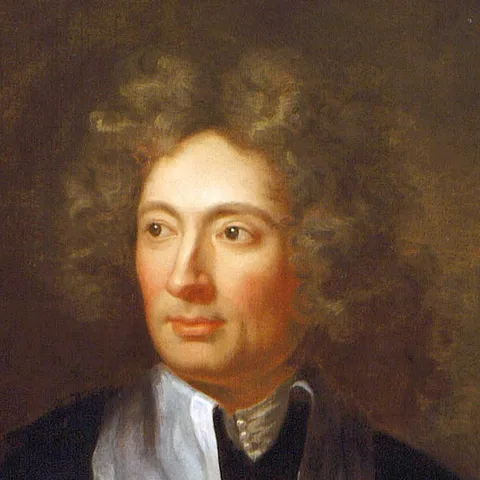
コレッリ・published 1714
聖なる夜のために。最後に羊飼いの笛のようなパストラーレが流れます。
合奏協奏曲 ト短調「クリスマス協奏曲」のページへヘンデル・1717
テムズ川の船の上で国王のために!夏の夜の水上コンサート。
水上の音楽のページへ
クープラン・published 1717
題名の意味はだれも知らない!やわらかく波打つ、なぞの名曲。
神秘的なバリケードのページへ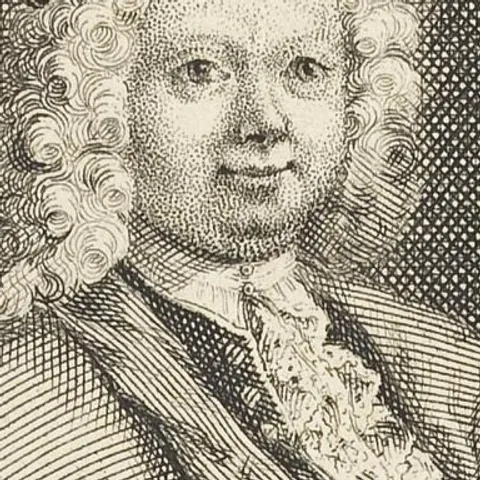
マルチェッロ・published c. 1717
胸にしみるアダージョ!バッハも編曲したオーボエの名曲。
オーボエ協奏曲 ニ短調のページへ
 MP3