
ダイドーの嘆き
Dido's Lament
パーセル・by 1689
「わたしを覚えていて」。くり返す低音にのせた、胸をうつ別れの歌。
歌劇「ダイドーとエネアス」より「ダイドーの嘆き」のページへ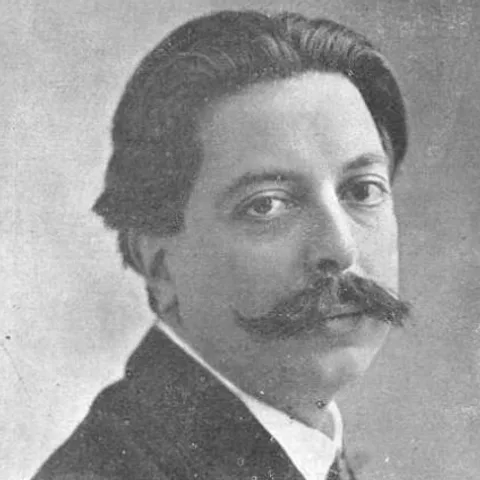
Piano · Op. 11 No. 4 · 1911
エンリケ・グラナドス(1867–1916)
恋に悩む娘のため息と、夜鳴きうぐいすの歌。ゴヤの絵から生まれた名曲。A young woman's sighs of love and a nightingale's song, inspired by Goya.
WATCH ON YOUTUBE
この曲は、権利の切れた高音質の録音がまだ見つからないため、YouTube の公式チャンネルなどの名演でお楽しみください(ダウンロードはできません)。YouTube でほかの演奏もさがす ↗
 Andrea Lam, piano - The Maiden and the Nightingale from Goyescas - Granados
Andrea Lam(YouTube) YouTube で開く ↗
🎹Lang Lang Explains Granados: The Maiden and the Nightingale | Goyescas#langlangmasterclass
Lang Lang Masterclass(YouTube) YouTube で開く ↗
Benjamin Grosvenor - Granados: La Maja y el ruiseñor (The Maiden and the Nightingale)
BGrosvenorVEVO(YouTube) YouTube で開く ↗

ホー!曲の最後で、ピアノが小鳥のさえずりに変身するよ。耳をすませてね。
 この曲のおはなし The Story
この曲は、エンリケ・グラナドスのピアノ組曲「ゴイェスカス」の4曲目です。「ゴイェスカス」とは「ゴヤ風の」という意味で、スペインの画家ゴヤがえがいたマドリードの人びとからヒントを得ています。「マハ」は下町のいきな娘のこと。恋に悩むマハの嘆きと、夜に美しく鳴く小鳥・ナイチンゲール(夜鳴きうぐいす)の歌がえがかれます。This piece is the fourth movement of Goyescas, a piano suite by Enrique Granados. 'Goyescas' means 'in the style of Goya'. The music was inspired by the people of Madrid painted by the Spanish artist Francisco Goya. A 'maja' is a lively, stylish young woman from the streets of Madrid. The piece shows a maja's sad sighs of love and the song of the nightingale, a bird that sings beautifully at night.
グラナドスはゴヤの絵が大好きで、1909年ごろからこの組曲にとりかかり、1911年に第1集を仕上げました。ゆったりとした嘆きのメロディーが、ゆたかな和音と細かい飾りの音につつまれながら、何度も形を変えて歌われます。ピアノの名手だったグラナドスらしい、とても難しく、色あざやかな曲です。Granados loved Goya's paintings. He began the suite around 1909 and finished the first book in 1911. A slow, sad melody returns again and again in new forms, wrapped in rich chords and delicate decorations. Granados was a great pianist, and this piece is very difficult and full of color.
1911年3月、グラナドスは自らバルセロナでこの組曲を初演し、1914年のパリでの演奏も大評判になりました。その後、組曲の音楽をもとにオペラ「ゴイェスカス」を作り、この曲はヒロインのアリアになりました。オペラは1916年1月にニューヨークのメトロポリタン歌劇場で初演されましたが、その帰り道、グラナドスの乗った船がドイツの潜水艦に攻撃され、彼は命を落としました。In March 1911, Granados gave the first performance of the suite himself in Barcelona, and a concert in Paris in 1914 was a great success. He later used the music of the suite to make an opera, also called Goyescas, and this piece became an aria for the heroine. The opera opened at the Metropolitan Opera in New York in January 1916. But on his way home, his ship was attacked by a German submarine, and Granados died.
This is a piano piece from Spain. A young woman is sad because of love. At night, a little bird sings for her. At the end, the piano sounds just like a bird! The composer loved the paintings of Goya.これはスペインのピアノ曲です。若い女の人が恋のことで悲しんでいます。夜、小鳥が彼女のために歌います。最後には、ピアノがまるで小鳥のような音を出します!作曲家は、ゴヤの絵が大好きでした。
 聴きどころ Listening Guide
 えっ!?ネタ Surprising Facts
 タップすると答えが開きます
メキシコのコンスエロ・ベラスケスが1940年に発表した世界的なラブソング『ベサメ・ムーチョ』は、この曲のメロディーをもとにしているとよく言われます。スペインのピアノ曲が、ラテンの大ヒット曲に生まれ変わったのかもしれないのです。聴きくらべて、似ているところをさがしてみて。
It is often said that 'Bésame Mucho', the world-famous love song published in 1940 by the Mexican songwriter Consuelo Velázquez, is based on this melody. A Spanish piano piece may have been reborn as a Latin hit song. Listen to both and look for the similar parts!
曲の終わり近く、ピアノの高い音で細かいトリル(2つの音をすばやくくり返す飾り)や、かけ上がる音が続きます。これがナイチンゲールの鳴き声です。ナイチンゲールは夜に美しい声で鳴く鳥で、ヨーロッパでは昔から恋の歌の鳥として詩や音楽に登場してきました。
Near the end, the piano plays quick trills (two notes going back and forth very fast) and fast runs in the high notes. This is the nightingale singing. The nightingale sings beautifully at night, and in Europe it has long appeared in poems and music as a bird of love.
ゴヤは18〜19世紀のスペインの大画家で、マドリードの下町で暮らす「マホ」や「マハ」とよばれる、いきでおしゃれな若者たちをえがきました。グラナドスはその世界にあこがれ、絵の雰囲気を音で表そうとしました。組曲には「恋するマホたち」という副題もついています。
Goya was a great Spanish painter of the 18th and 19th centuries. He painted stylish young people of Madrid called 'majos' and 'majas'. Granados loved that world and tried to show the mood of the paintings in sound. The suite even has the subtitle 'The Majos in Love'.
1914年、パリのサル・プレイエルで「ゴイェスカス」が演奏されると大評判になりました。この成功をきっかけに、パリのオペラ座でオペラ版を上演する話が進んだと言われています。ところが第一次世界大戦が始まり、オペラは結局ニューヨークで初演されることになりました。
In 1914, Goyescas was played at the Salle Pleyel in Paris and became a sensation. It is said that because of this success, there were plans to stage an opera version at the Paris Opera. But World War I began, and in the end the opera had its first performance in New York instead.
ENGLISH × MASTERPIECE
 とても美しく歌うことのたとえ。歌のうまい人をほめるときに使います。
 この曲で覚える英単語 Words
 クイズに挑戦 Quiz
 著作権について Credits
MORE MASTERPIECES
パーセル・by 1689
「わたしを覚えていて」。くり返す低音にのせた、胸をうつ別れの歌。
歌劇「ダイドーとエネアス」より「ダイドーの嘆き」のページへ
パッヘルベル・c. 1680–1706
同じ8つの音が28回!なのに聴くたび胸がいっぱいになる曲。
カノンとジーグ ニ長調 より「カノン」のページへパーセル・1695
ブリテンが「オーケストラ入門」のテーマに選んだ、かっこいいメロディー。
劇音楽「アブデラザール」より ロンドのページへ
バッハ・c. 1704 (?)
タラリ〜!一度聴いたら忘れない、オルガンの大迫力の幕開け。
トッカータとフーガ ニ短調のページへバッハ・c. 1703–1707 (?)
音楽の授業でおなじみ!4つの声が同じテーマで追いかけっこ。
小フーガ ト短調のページへバッハ・c. 1706–1713
足が弾く低いテーマが21回!重くて壮大な、オルガンの大建築。
パッサカリアとフーガ ハ短調のページへ
ヘンデル・1711
「泣かせてください」と歌う、深い悲しみに満ちた名アリア。
私を泣かせてください(歌劇『リナルド』より)のページへ
クープラン・published 1717
題名の意味はだれも知らない!やわらかく波打つ、なぞの名曲。
神秘的なバリケードのページへ
 MP3