
テ・デウム
Te Deum
シャルパンティエ・c. 1688–1698
パンパカパーン!ヨーロッパのテレビの幕開けを飾ってきた、ごうかな前奏曲。
テ・デウム ニ長調のページへ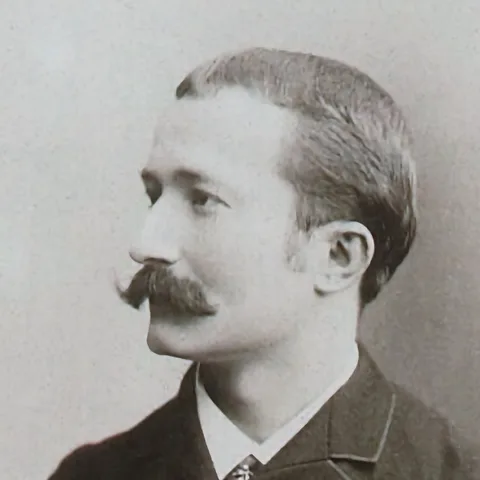
March · · 1888
ルイ・ガンヌ(1862–1923)
100歳の老兵が歌う!?パリの寄席で大ヒットした陽気なマーチ。A 100-year-old soldier sings! A cheerful march that was a hit in Paris.
WATCH ON YOUTUBE
この曲は、権利の切れた高音質の録音がまだ見つからないため、YouTube の公式チャンネルなどの名演でお楽しみください(ダウンロードはできません)。YouTube でほかの演奏もさがす ↗
 Father of Victory
US Marine Band - Topic(YouTube) YouTube で開く ↗
Father Victory - Georges Clemenceau I WHO DID WHAT IN World War 1?
The Great War(YouTube) YouTube で開く ↗
Goodness Of God (LIVE) - Jenn Johnson | VICTORY
Bethel Music(YouTube) YouTube で開く ↗
ホー!この曲はもともと、パリの寄席で大ヒットした歌のメロディーなんだ。
 この曲のおはなし The Story
「勝利の父」は、フランスの作曲家ルイ・ガンヌの行進曲です。ガンヌはパリ音楽院でフランクやマスネに学び、パリのフォリー・ベルジェールで指揮をしたり、のちにモンテカルロのカジノで演奏会をひきいたりした、軽やかな音楽の名人でした。今では「ロレーヌ行進曲」とならぶ、ガンヌの代表作として知られています。Father of Victory is a march by the French composer Louis Ganne. Ganne studied with César Franck and Jules Massenet at the Paris Conservatoire. He conducted at the Folies-Bergère in Paris and later led concerts at the Monte Carlo Casino. Today he is remembered mainly for this march and the Marche Lorraine.
1888年、作詞家のデロルメルとガルニエは、ガンヌの「フランス行進曲」のメロディーに歌詞をつけ、「ル・ペール・ラ・ヴィクトワール」という歌を作りました。人気歌手ポーリュスが100歳の老兵になりきって、戦いの思い出を語りながら若い兵士たちにワインをすすめる歌で、パリのカフェ・コンセール(歌や芸を楽しむ寄席)で大ヒットしました。In 1888, the lyricists Lucien Delormel and Léon Garnier put words to the tune of Ganne's 'Marche française' and created the song 'Le Père la Victoire.' The popular singer Paulus played a 100-year-old soldier who remembers his battles and offers wine to young soldiers. The song became a big hit in the café-concerts of Paris, where people enjoyed songs and shows.
このメロディーは行進曲としても広まり、1899年ごろにはもう録音が作られています。アメリカでも「ファーザー・オブ・ヴィクトリー(勝利の父)」の題で軍楽隊が演奏・録音しました。日本語の題名「勝利の父」も、この英語の題名と同じ意味です。歌から生まれた曲らしく、思わず口ずさみたくなるメロディーが魅力です。The tune also spread as a march, and recordings were already being made around 1899. In America, military bands played and recorded it as 'Father of Victory,' which is also the meaning of the Japanese title. Because it was born as a song, its melody makes you want to hum along.
This march comes from France. First, its tune was a popular song in Paris. In the song, a 100-year-old soldier talks about his old days. Later, a famous French leader got the same nickname: 'Father of Victory.'この行進曲はフランスから来ました。最初、このメロディーはパリで人気の歌でした。歌の中で、100歳の兵士がむかしの話をします。のちに、フランスの有名なリーダーが同じあだ名「勝利の父」で呼ばれました。
 聴きどころ Listening Guide
 えっ!?ネタ Surprising Facts
 タップすると答えが開きます
フランス語の「ペール」は「父」という意味ですが、「〜じいさん」のように、年をとった男の人を親しみをこめて呼ぶときにも使われます。歌の主人公は100歳の老兵なので、「勝利じいさん」くらいの、ちょっとユーモラスな呼び名なのです。
The French word 'père' means 'father,' but it is also used in a friendly way for an old man, like 'old so-and-so.' The hero of the song is a 100-year-old soldier, so the name is closer to a humorous 'Old Man Victory.'
第一次世界大戦でフランスを勝利に導いた首相ジョルジュ・クレマンソーは、「ペール・ラ・ヴィクトワール(勝利の父)」とも呼ばれました。1918年の休戦のとき、この歌はクレマンソーにささげられています。30年前の歌の題名が、ぴったりの人物に重なったのです。
Georges Clemenceau, the prime minister who led France to victory in World War I, was also nicknamed 'Père la Victoire.' At the armistice in 1918, this song was dedicated to him. The title of a 30-year-old song matched the right person perfectly.
ジャン・ルノワール監督の映画『フレンチ・カンカン』(1954年)には、歌手ポーリュスの役の俳優が、この歌を歌う場面があります。19世紀の終わりごろのパリの寄席の、にぎやかなふんいきを映画で味わうことができます。
In Jean Renoir's film French Cancan (1954), an actor playing the singer Paulus performs this song. You can enjoy the lively mood of Paris café-concerts at the end of the 19th century on screen.
この曲は、1899年から1900年ごろの「ろう管」の録音がいくつも残っています。ろう管とは、レコードより前に使われた、つつの形をした録音の道具です。アメリカでも1914年に軍楽隊のレコードが作られるなど、早くから世界で親しまれていました。
Several wax cylinder recordings of this piece from around 1899 to 1900 still exist. Wax cylinders were tube-shaped recordings used before flat discs. In America, a military band record was also made in 1914, so the tune was loved around the world from early on.
ENGLISH × MASTERPIECE
 今まさに話題の中心にいる人を指します。女性なら the woman of the hour。
 この曲で覚える英単語 Words
 クイズに挑戦 Quiz
 著作権について Credits
MORE MASTERPIECES
シャルパンティエ・c. 1688–1698
パンパカパーン!ヨーロッパのテレビの幕開けを飾ってきた、ごうかな前奏曲。
テ・デウム ニ長調のページへクラーク・c. 1700
結婚式の大定番。でも作曲者は長いあいだ取りちがえられていた!
トランペット・ヴォランタリー(デンマーク王子の行進)のページへ
バッハ・c. 1707–1710 (?)
キラキラの駆け上がりで幕開け!若きバッハのはなやかな鍵盤ショー。
トッカータ ニ長調のページへ
ヴィヴァルディ・published 1711
2本のヴァイオリンが火花を散らす!バッハも編曲した熱い協奏曲。
協奏曲集『調和の霊感』第8番 イ短調(2つのヴァイオリンのための協奏曲)のページへヴィヴァルディ・c. 1715
オクターブがぴょんぴょん跳ねる!喜びがはじける合唱の名曲。
グローリア ニ長調のページへ
テレマン・c. 1710–1720 (?)
バルブのないラッパで高音をきらり!バロックのトランペットの晴れ舞台。
トランペット協奏曲 ニ長調のページへ
ヘンデル・1717
テムズ川の船の上で国王のために!夏の夜の水上コンサート。
水上の音楽のページへバッハ・1720
止まらない!キラキラ走る、ヴァイオリン1本の大はしゃぎ。
無伴奏ヴァイオリン・パルティータ第3番 ホ長調より「プレリュード」のページへ
 MP3