
パッヘルベルのジーグ
Pachelbel's Gigue
パッヘルベル・c. 1680–1706
あの「カノン」には、はずむ相棒がいた!知られざる後半戦。
カノンとジーグ ニ長調 より「ジーグ」のページへ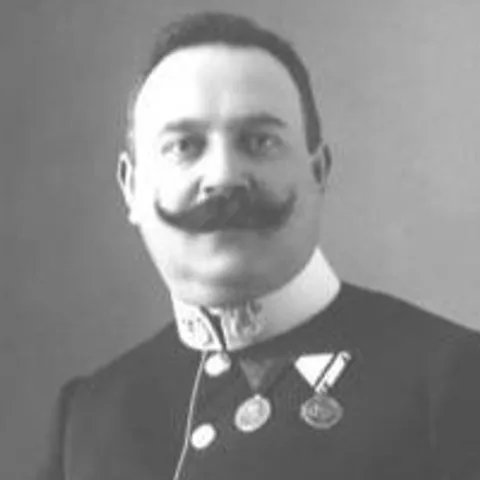
March · Op. 68 · 1897
ユリウス・フチーク(1872–1916)
聴けばピエロが浮かぶ!サーカスでおなじみの行進曲。The circus march that makes many people think of clowns.
PUBLIC DOMAIN RECORDING
PD / CC0 無料でダウンロードOK 別の演奏で聴く 1:North Olmsted High School Band
ANOTHER RECORDING 1
PD / CC0WATCH ON YOUTUBE
 André Rieu - Entry of The Gladiators
André Rieu(YouTube) YouTube で開く ↗
Fučík: Entry of the Gladiators, Op. 68
Gothenburg Symphony Orchestra - Topic(YouTube) YouTube で開く ↗
左の音源は権利が切れた録音なのでダウンロードできます。右の動画は YouTube の公式の埋め込みで見るもので、ダウンロードはできません(動画の権利は各チャンネルにあります)。
 もっと名演を観る YouTube で何百万回も再生された人気の演奏
Julius Fucik - Entry of the Gladiators
The Wicked North(YouTube) YouTube で開く ↗
Fučík: Entry of the Gladiators (Arr. for Brass Ensemble)
Philip Jones - Topic(YouTube) YouTube で開く ↗

ホー!この曲、もとはサーカスではなく軍楽隊の行進曲として作られたんだ。
 この曲のおはなし The Story
「剣闘士の入場」は、チェコの作曲家ユリウス・フチークが1897年に作った行進曲です。剣闘士とは、古代ローマの闘技場で戦った戦士のこと。でも今では、サーカスでピエロが登場するときの音楽として、世界中の人が知っています。半音ずつ上がり下がりする、にぎやかなメロディーが特徴です。Entrance of the Gladiators is a march written in 1897 by the Czech composer Julius Fučík. Gladiators were fighters in the arenas of ancient Rome. But today, people all over the world know it as the music for clowns at the circus. Its busy melody goes up and down in small half steps.
フチークはプラハで学び、ドヴォルザークに作曲を教わりました。軍楽隊の隊長として、当時オーストリア=ハンガリー帝国の町だったサラエヴォにいたときにこの曲を書きます。最初の題名は「半音階的大行進曲」。半音で動く音階がたくさん使われているからです。古代ローマの歴史に関心があったフチークが、のちに今の題名に変えたと言われています。Fučík studied in Prague and learned composition from Dvořák. He wrote this piece while he was an army bandmaster in Sarajevo, then a town in Austria-Hungary. Its first title was Grand Chromatic March, because it uses many chromatic scales that move in half steps. Fučík, who was interested in Roman history, is said to have changed it to the title we know today.
20世紀のはじめ、カナダの作曲家ローランドーが、この曲をアメリカの吹奏楽団向けに編曲し、「雷鳴と稲妻(Thunder and Blazes)」という題で出版しました。これがアメリカのサーカスで大人気になり、「サーカスの曲」として定着します。フチークは「フローレンティナー行進曲」など多くの行進曲を残し、「ボヘミアのスーザ」とも呼ばれます。In the early 1900s, the Canadian composer Louis-Philippe Laurendeau arranged it for American bands and published it as Thunder and Blazes. It became a huge hit in American circuses and came to be known as circus music. Fučík wrote many other marches, such as the Florentiner March, and is sometimes called the Bohemian Sousa.
This march is famous at the circus. You may hear this music when clowns come in. But the composer did not write it for the circus. He wrote it for an army band. The notes go up and down step by step.この行進曲はサーカスで有名です。ピエロが入ってくるときに、この音楽が流れることがあります。でも作曲家はサーカスのために書いたのではありません。軍楽隊のために書いたのです。音が一歩ずつ上がったり下がったりします。
 聴きどころ Listening Guide
 えっ!?ネタ Surprising Facts
 タップすると答えが開きます
今ではピエロの登場曲のイメージが強いこの曲ですが、フチークは軍楽隊の行進曲として書きました。剣闘士という勇ましい題名も、もとはローマの戦士の入場をイメージしたもの。アメリカで編曲されたことで、思いがけず「サーカスの顔」になったのです。
Today it makes people think of clowns, but Fučík wrote it as a march for an army band. Even the brave title was meant to picture Roman fighters marching in. After it was arranged in America, it unexpectedly became the face of the circus.
フチークは最初、この曲を「半音階的大行進曲」と名づけました。半音階とは、ピアノの白鍵と黒鍵を、となりどうし順番に弾くような音階のこと。この半音階がうねうねと上り下りするところが、ピエロのおどけた動きにぴったりに聞こえます。
Fučík first named it Grand Chromatic March. A chromatic scale is like playing the white and black piano keys one after another, side by side. The way these scales wiggle up and down sounds just right for the funny movements of clowns.
フチークはプラハ音楽院でファゴットを学び、作曲をドヴォルザークに習いました。「新世界より」の作曲家の弟子が、サーカスの定番曲を生んだと思うと、ちょっとおもしろいですね。
Fučík studied the bassoon at the Prague Conservatory and learned composition from Dvořák. It's fun to think that a student of the composer of the New World Symphony created a circus favorite.
フチークは、たくさんの行進曲やポルカ、ワルツを書きました。アメリカの「行進曲王」スーザになぞらえて、「ボヘミアのスーザ」と呼ばれることもあります。「フローレンティナー行進曲」なども、吹奏楽で今も人気の作品です。
Fučík wrote many marches, polkas, and waltzes. He is sometimes called the Bohemian Sousa, after the American March King, John Philip Sousa. His Florentiner March and other pieces are still popular with wind bands.
ENGLISH × MASTERPIECE
 昔の遊園地のオルガンについていた鐘や笛が由来という説があります。
 この曲で覚える英単語 Words
 クイズに挑戦 Quiz
 この録音について(著作権・出典) Credits
MORE MASTERPIECES
パッヘルベル・c. 1680–1706
あの「カノン」には、はずむ相棒がいた!知られざる後半戦。
カノンとジーグ ニ長調 より「ジーグ」のページへシャルパンティエ・c. 1688–1698
パンパカパーン!ヨーロッパのテレビの幕開けを飾ってきた、ごうかな前奏曲。
テ・デウム ニ長調のページへ
パーセル・1695
ブリテンが「オーケストラ入門」のテーマに選んだ、かっこいいメロディー。
劇音楽「アブデラザール」より ロンドのページへクラーク・c. 1700
結婚式の大定番。でも作曲者は長いあいだ取りちがえられていた!
トランペット・ヴォランタリー(デンマーク王子の行進)のページへ
バッハ・c. 1707–1710 (?)
キラキラの駆け上がりで幕開け!若きバッハのはなやかな鍵盤ショー。
トッカータ ニ長調のページへ
ヴィヴァルディ・published 1711
2本のヴァイオリンが火花を散らす!バッハも編曲した熱い協奏曲。
協奏曲集『調和の霊感』第8番 イ短調(2つのヴァイオリンのための協奏曲)のページへヴィヴァルディ・c. 1715
オクターブがぴょんぴょん跳ねる!喜びがはじける合唱の名曲。
グローリア ニ長調のページへ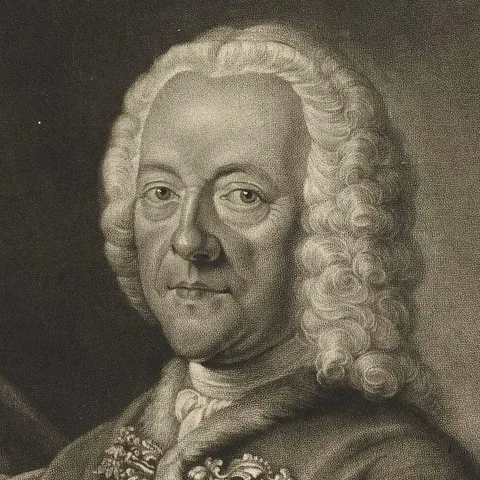
テレマン・c. 1710–1720 (?)
バルブのないラッパで高音をきらり!バロックのトランペットの晴れ舞台。
トランペット協奏曲 ニ長調のページへ
 MP3