
テ・デウム
Te Deum
シャルパンティエ・c. 1688–1698
パンパカパーン!ヨーロッパのテレビの幕開けを飾ってきた、ごうかな前奏曲。
テ・デウム ニ長調のページへ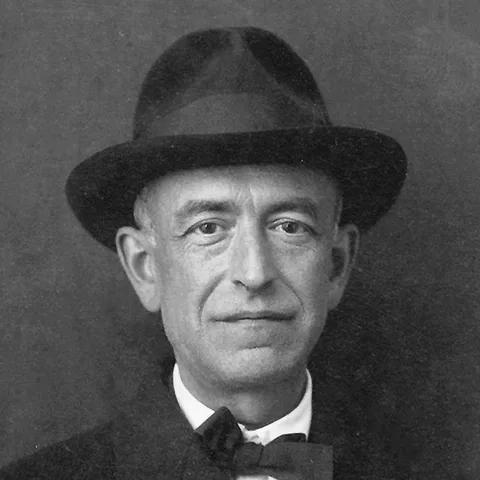
Ballet · · 1915 (later revised)
マヌエル・デ・ファリャ(1876–1946)
真夜中、たき火のまわりで悪霊ばらい!炎のようにうねるスペインの踊り。Midnight, a fire, and a ghost to chase away: a dance of flames!
PUBLIC DOMAIN RECORDING
PD / CC0 無料でダウンロードOKWATCH ON YOUTUBE
 Manuel de Falla – Danza ritual del Fuego – Ritual Fire Dance
Akademia Filmu i Telewizji(YouTube) YouTube で開く ↗
Manuel de Falla: Ritual Fire Dance
Auckland Symphony Orchestra(YouTube) YouTube で開く ↗
左の音源は権利が切れた録音なのでダウンロードできます。右の動画は YouTube の公式の埋め込みで見るもので、ダウンロードはできません(動画の権利は各チャンネルにあります)。
 もっと名演を観る YouTube で何百万回も再生された人気の演奏
Erich Kunzel - El Amor Brujo: Ritual Fire Dance (Official Audio)
Erich Kunzel(YouTube) YouTube で開く ↗
Barenboim - "El amor brujo" (Danza ritual del fuego) Falla
goodlenore(YouTube) YouTube で開く ↗
ホー!ピアニストのルービンシュタインは、この曲をアンコールで何度も弾いたんだ。
 この曲のおはなし The Story
「火祭りの踊り」は、スペインの作曲家マヌエル・デ・ファリャのバレエ音楽「恋は魔術師」の中の1曲です。主人公は、アンダルシアのロマの女性カンデラ。亡くなった夫の幽霊に悩まされた彼女が、真夜中にたき火をたいて悪霊をはらう儀式の踊りが、この曲です。ふるえるトリルの音が、ゆらめく炎を思わせます。Ritual Fire Dance is a piece from El amor brujo ('Love, the Magician'), a ballet by the Spanish composer Manuel de Falla. The main character is Candela, a Romani woman from Andalusia. She is haunted by the ghost of her dead husband. In this dance, she lights a fire at midnight and performs a ritual to drive the ghost away. The trembling trills sound like flickering flames.
「恋は魔術師」は、フラメンコの踊り手パストーラ・インペリオのために作られ、1915年4月にマドリードで初演されました。最初の版は、歌や語りの入った小さな編成の舞台作品で、初演はあまり成功しませんでした。ファリャはその後何度も手を加え、語りを削り、オーケストラを大きくしました。こうしてできたバレエ版(1925年パリ初演)や演奏会用の組曲が、今よく演奏されています。El amor brujo was written for the flamenco dancer Pastora Imperio, and its first performance was in Madrid in April 1915. The first version was a small stage work with songs and speaking, and it was not very successful. Falla revised it several times, cut the speaking and made the orchestra bigger. The ballet version that came from this (staged in Paris in 1925) and the concert suite are what we usually hear today.
中でも「火祭りの踊り」はとくに人気になり、ファリャ自身がピアノ用にも編曲しました。ポーランド出身の大ピアニスト、アルトゥール・ルービンシュタインは、この曲をコンサートのアンコールでよく弾き、世界中に広めました。ファリャは、ピアノの大作「ベティカ幻想曲」をルービンシュタインにささげています。Ritual Fire Dance became the most popular part, and Falla also arranged it for piano. The great Polish-born pianist Arthur Rubinstein often played it as an encore and made it famous around the world. Falla dedicated his big piano work Fantasia Baetica to Rubinstein.
This music is from a Spanish ballet. A woman sees the ghost of her dead husband. At midnight, she dances around a fire. She wants the ghost to go away! The music shakes and jumps like fire.これはスペインのバレエの音楽です。ある女の人が、亡くなった夫の幽霊を見ます。真夜中、彼女はたき火のまわりで踊ります。幽霊にいなくなってほしいのです!音楽は、炎のようにふるえて、はねます。
 聴きどころ Listening Guide
 えっ!?ネタ Surprising Facts
 タップすると答えが開きます
1915年、マドリードのラーラ劇場での初演は、あまり成功しませんでした。最初の版は、踊り手のほかに歌い手や役者も出る、小さな楽団の作品でした。ファリャはあきらめずに語りの部分をけずり、歌の数をへらし、オーケストラを大きくして作り直しました。その努力が、今の名曲を生んだのです。
The first performance at the Teatro Lara in Madrid in 1915 was not a success. The first version was a work for a small band, with singers and actors as well as dancers. Falla did not give up. He cut the speaking parts, reduced the number of songs, and made the orchestra bigger. That hard work created the masterpiece we know today.
ピアニストのアルトゥール・ルービンシュタインは、何年もの間、コンサートのアンコールにこの曲を弾き、録音も残しました。この曲がオーケストラだけでなくピアノ曲としても有名になったのは、彼の演奏の力が大きいと言えるでしょう。
For many years, the pianist Arthur Rubinstein played this piece as an encore at his concerts, and he also recorded it. His performances played a big part in making it famous as piano music, not only as orchestral music.
ルービンシュタインはファリャと親しくなり、その音楽を世界中で弾いて広めました。ファリャは、1919年に完成したピアノの大作「ベティカ幻想曲」を彼にささげています。「ベティカ」とは、ローマ時代のアンダルシア地方のよび名です。
Rubinstein became friends with Falla and played his music all over the world. Falla dedicated his big piano piece Fantasia Baetica, completed in 1919, to Rubinstein. 'Baetica' is the old Roman name for Andalusia.
「恋は魔術師」の物語は、何度も映画になりました。1967年のスペイン映画はアカデミー賞の外国語映画賞の候補になり、1986年にはカルロス・サウラ監督が、フラメンコの名手アントニオ・ガデスの主演で映画化しています。サウラ監督のフラメンコ映画3部作の3作目です。
The story of El amor brujo has been made into films more than once. A 1967 Spanish film was nominated for the Academy Award for Best Foreign Language Film. In 1986, director Carlos Saura made a version starring the great flamenco dancer Antonio Gades. It was the third film in Saura's flamenco trilogy.
ENGLISH × MASTERPIECE
 「火遊びをする」から「危険なことをする」の意味。この曲の火は悪霊ばらいの火です。
 この曲で覚える英単語 Words
 クイズに挑戦 Quiz
 この録音について(著作権・出典) Credits
MORE MASTERPIECES
シャルパンティエ・c. 1688–1698
パンパカパーン!ヨーロッパのテレビの幕開けを飾ってきた、ごうかな前奏曲。
テ・デウム ニ長調のページへ
パーセル・1695
ブリテンが「オーケストラ入門」のテーマに選んだ、かっこいいメロディー。
劇音楽「アブデラザール」より ロンドのページへ
バッハ・c. 1704 (?)
タラリ〜!一度聴いたら忘れない、オルガンの大迫力の幕開け。
トッカータとフーガ ニ短調のページへバッハ・c. 1706–1713
足が弾く低いテーマが21回!重くて壮大な、オルガンの大建築。
パッサカリアとフーガ ハ短調のページへバッハ・c. 1707–1710 (?)
キラキラの駆け上がりで幕開け!若きバッハのはなやかな鍵盤ショー。
トッカータ ニ長調のページへ
ヴィヴァルディ・published 1711
2本のヴァイオリンが火花を散らす!バッハも編曲した熱い協奏曲。
協奏曲集『調和の霊感』第8番 イ短調(2つのヴァイオリンのための協奏曲)のページへヴィヴァルディ・c. 1715
オクターブがぴょんぴょん跳ねる!喜びがはじける合唱の名曲。
グローリア ニ長調のページへ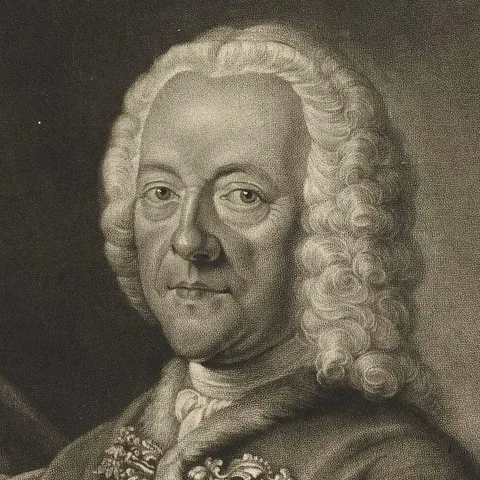
テレマン・c. 1710–1720 (?)
バルブのないラッパで高音をきらり!バロックのトランペットの晴れ舞台。
トランペット協奏曲 ニ長調のページへ
 MP3