火祭りの踊り
Ritual Fire Dance
ファリャ・1915 (later revised)
真夜中、たき火のまわりで悪霊ばらい!炎のようにうねるスペインの踊り。
「恋は魔術師」より 火祭りの踊りのページへLate Romantic & Modern · 1876–1946
「スペイン近代音楽の巨匠」The giant of modern Spanish music
 カディス(スペイン)
 アルタ・グラシア(アルゼンチン)1 曲を収録
フラメンコの魂を、オーケストラの炎に変えたスペインの巨匠。He turned the soul of flamenco into orchestral fire.
 ファリャの名曲を聴く
ファリャ・1915 (later revised)
真夜中、たき火のまわりで悪霊ばらい!炎のようにうねるスペインの踊り。
「恋は魔術師」より 火祭りの踊りのページへ
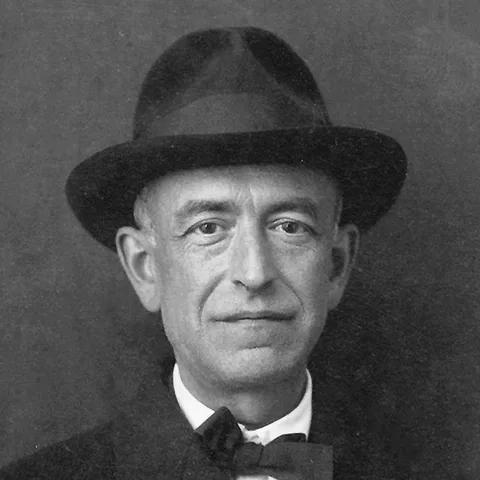
ホー!ファリャの顔は、スペインの100ペセタ札にもなったんだよ。
 生涯 Life Story
マヌエル・デ・ファリャは1876年11月23日、スペイン南部アンダルシア地方の港町カディスに生まれました。母からピアノの手ほどきを受け、のちにマドリードでピアノと作曲を学びます。作曲の先生ペドレルは、スペインの民謡、とくにアンダルシアのフラメンコの中でも深く重々しい歌い方「カンテ・ホンド」のすばらしさをファリャに教えました。Manuel de Falla was born on 23 November 1876 in Cádiz, a port city in Andalusia in southern Spain. His mother gave him his first piano lessons, and he later studied piano and composition in Madrid. His composition teacher, Felip Pedrell, opened his eyes to Spanish folk music, especially cante jondo, a deep and serious style of Andalusian flamenco singing.
1905年、オペラ「はかなき人生」がマドリードのコンクールで1等になりますが、すぐには上演されませんでした。1907年、ファリャはパリへ行き、ドビュッシー、ラヴェル、デュカス、ストラヴィンスキーらと親しくなります。そして1913年、「はかなき人生」はフランスのニースでついに初演されました。パリでの7年間は、ファリャの音楽を大きく育てました。In 1905 his opera La vida breve won first prize in a competition in Madrid, but it was not staged right away. In 1907 Falla moved to Paris, where he became friends with Debussy, Ravel, Dukas and Stravinsky. In 1913 La vida breve was finally premiered in Nice, France. His seven years in Paris helped his music grow enormously.
第一次世界大戦がはじまるとマドリードにもどり、名作を次々に生み出します。1915年に初演された、歌と踊りとせりふの舞台作品「恋は魔術師」(「火祭りの踊り」が有名。のちにバレエに作り直されました)、1916年に初演されたピアノとオーケストラのための「スペインの庭の夜」、そしてロシア・バレエ団のための「三角帽子」です。「三角帽子」は1919年にロンドンで上演され、舞台美術と衣装はピカソが担当しました。When the First World War broke out, he returned to Madrid and produced one masterpiece after another: El amor brujo, a stage work with song, dance and spoken words first staged in 1915 and later remade as a ballet, famous for its 'Ritual Fire Dance'; Nights in the Gardens of Spain for piano and orchestra, first performed in 1916; and The Three-Cornered Hat for the Ballets Russes. The Three-Cornered Hat was staged in London in 1919, with sets and costumes by Pablo Picasso.
1921年からはグラナダに住み、1922年に詩人ロルカらと「カンテ・ホンド・コンクール」を開きました。しかしスペイン内戦で友人ロルカが命をうばわれ、1939年、ファリャはアルゼンチンへうつります。スペイン政府からの手厚い年金の申し出も断りました。1946年、アルタ・グラシアで69歳で亡くなり、大作「アトランティーダ」は弟子のアルフテルが完成させました。From 1921 he lived in Granada, and in 1922 he organised a cante jondo competition with the poet Federico García Lorca and others. But during the Spanish Civil War his friend Lorca was killed, and in 1939 Falla moved to Argentina. He even turned down a generous pension offered by the Spanish government. He died in Alta Gracia in 1946, aged 69, and his huge unfinished work Atlántida was completed by his pupil Ernesto Halffter.
Manuel de Falla was born in Spain in 1876. He loved cante jondo, a deep kind of flamenco song from Andalusia. He lived in Paris and met Debussy and Ravel. He wrote the famous Ritual Fire Dance. Picasso made the costumes for one of his ballets!マヌエル・デ・ファリャは1876年にスペインで生まれました。彼はアンダルシアのフラメンコの深い歌「カンテ・ホンド」が大好きでした。彼はパリに住み、ドビュッシーやラヴェルに出会いました。彼は有名な「火祭りの踊り」を書きました。ピカソが彼のバレエの衣装を作りました!
 これだけは!鉄板情報 Must-Know Facts
 あっと驚くネタ Surprising Stories
 タップすると答えが開きます
ファリャのバレエ「三角帽子」は、ロシア・バレエ団のディアギレフが上演し、なんとピカソが舞台の背景と衣装をデザインしました。音楽ファリャ、美術ピカソという、スペインの2大天才のコラボレーションだったのです。
Falla's ballet The Three-Cornered Hat was produced by Sergei Diaghilev's Ballets Russes, with sets and costumes designed by none other than Pablo Picasso. Music by Falla, art by Picasso: a collaboration between two Spanish geniuses!
1970年に発行されたスペインの100ペセタ紙幣には、ファリャの肖像がえがかれていました。マドリードには、彼の名前のついた地下鉄の駅もあります。スペインの人々にとって、国の誇りといえる作曲家なのです。
Spain's 100-peseta banknote of 1970 carried Falla's portrait, and there is a Madrid Metro station named after him. To the Spanish people, he is a national treasure.
1922年、ファリャはグラナダで、若い詩人ガルシア・ロルカらといっしょに「カンテ・ホンド・コンクール」を開きました。消えかけていたアンダルシアの古い歌を守り、受けつぐための試みでした。2人は年がはなれていましたが、親しい友人でした。
In 1922, in Granada, Falla organised a cante jondo competition together with the young poet Federico García Lorca and others. It was an effort to protect and pass on the old Andalusian songs that were starting to disappear. Despite their age difference, the two were close friends.
ファリャは一生結婚せず、とても信心深く、つつましい暮らしをしました。また、ひどくきれい好きで、病気になることをいつも心配していたと言われています。その性格は、細部まで完璧にみがかれた彼の作品にも表れているのかもしれません。
Falla never married, and he lived a modest, deeply religious life. He is also said to have been extremely tidy and constantly worried about getting ill. Perhaps that perfectionism also shows in his carefully polished music.
「火祭りの踊り」は、悪い霊を追いはらうために火のまわりで踊る場面の音楽です。のちにピアノ独奏版が作られ、名ピアニストのアルトゥール・ルービンシュタインがアンコールでよく弾いたことで、ピアノの人気曲としても広まったと言われています。
The 'Ritual Fire Dance' is music for a scene where a dancer circles a fire to drive away an evil spirit. A solo piano version was later made, and it is said that the great pianist Arthur Rubinstein made it famous by often playing it as an encore.
ファリャは晩年の約20年間、伝説の大陸アトランティスをテーマにした大作「アトランティーダ」に取り組みましたが、完成しないまま亡くなりました。弟子の作曲家エルネスト・アルフテルが残された楽譜をもとに仕上げ、ファリャの死後に上演されました。
For about the last twenty years of his life, Falla worked on Atlántida, a huge work about the legendary lost continent of Atlantis, but he died before finishing it. His pupil, the composer Ernesto Halffter, completed it from his sketches, and it was performed after Falla's death.
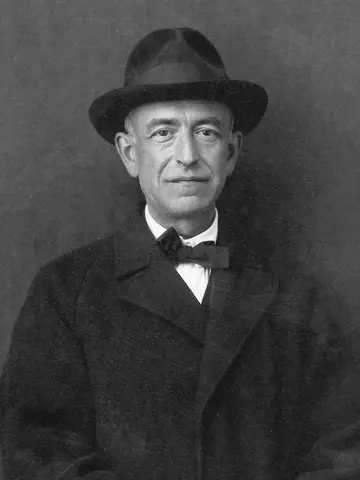
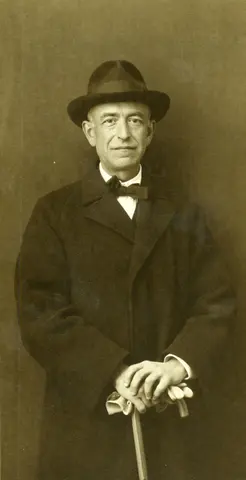
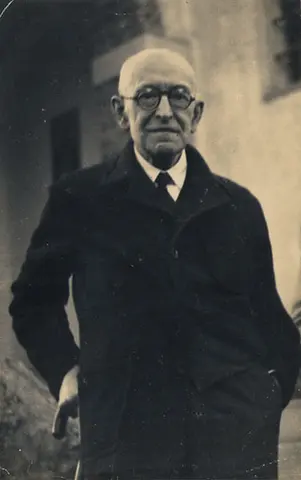
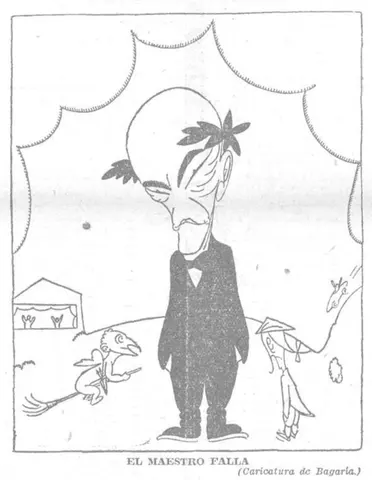
 肖像画・写真・自筆譜 Gallery (Public Domain)
Wikimedia Commons でパブリックドメイン(または CC0)と確認した画像です。クリックで拡大。
 年表 Timeline
 ファリャで覚える英単語 Words
 クイズに挑戦 Quiz
MORE COMPOSERS

 MP3