
パッヘルベルのジーグ
Pachelbel's Gigue
パッヘルベル・c. 1680–1706
あの「カノン」には、はずむ相棒がいた!知られざる後半戦。
カノンとジーグ ニ長調 より「ジーグ」のページへ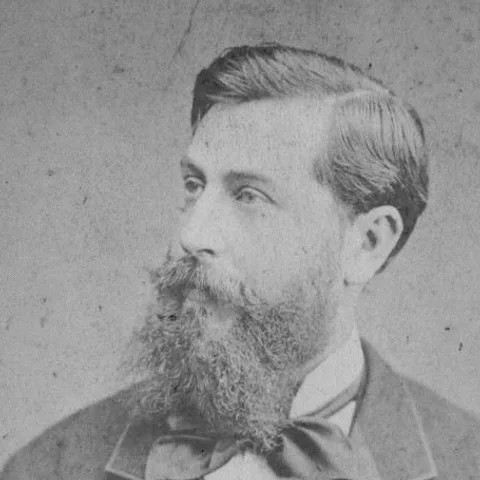
Ballet · · 1870
レオ・ドリーブ(1836–1891)
人形にひとめぼれ!?楽しいバレエから、とびきり軽やかなワルツ。A doll that seems alive, and a waltz as light as air.
WATCH ON YOUTUBE
この曲は、権利の切れた高音質の録音がまだ見つからないため、YouTube の公式チャンネルなどの名演でお楽しみください(ダウンロードはできません)。YouTube でほかの演奏もさがす ↗
 Coppélia - Music from the Ballet II: Swanhilda's Waltz
Philharmonia Orchestra - Topic(YouTube) YouTube で開く ↗
Coppélia: Coppélia, Act I: Valse Lente
Orchestra of the Royal Opera House, Covent Garden - Topic(YouTube) YouTube で開く ↗
Delibes - Coppélia - Waltz
The Wicked North(YouTube) YouTube で開く ↗
Bolshoi Ballet- Coppelia: Waltz of the Hours
SuperBalletgirl101(YouTube) YouTube で開く ↗

ホー!初演のとき、恋人役の青年フランツを踊ったのは女性ダンサーだったんだよ。
 この曲のおはなし The Story
「コッペリア」は、フランスの作曲家ドリーブが音楽を書いた、楽しいバレエです。村の娘スワニルダの恋人フランツが、人形作りのコッペリウスが作った美しい人形「コッペリア」を本物の娘だと思いこみ、恋をしてしまう――というお話。第1幕でスワニルダが軽やかに踊るワルツは、このバレエでとくに有名な曲の1つです。Coppélia is a fun ballet with music by the French composer Léo Delibes. Franz, the boyfriend of a village girl named Swanilda, falls for Coppélia, a beautiful doll made by the toymaker Coppélius, because he thinks she is a real girl. The light waltz that Swanilda dances to in Act 1 is one of the most famous pieces in the ballet.
お話のもとは、ドイツの作家E.T.A.ホフマンの小説「砂男」。原作はこわい話ですが、バレエでは明るい喜劇に変えられました。音楽には、ハンガリーの踊り「チャールダーシュ」やポーランドの「マズルカ」など、いろいろな国の踊りも取り入れられています。「くるみ割り人形」のチャイコフスキーも、ドリーブのバレエ音楽を高く評価していました。The story is based on The Sandman, a tale by the German writer E. T. A. Hoffmann. The original is a scary story, but the ballet turned it into a cheerful comedy. The music includes dances from different countries, such as the Hungarian csárdás and the Polish mazurka. Tchaikovsky, famous for The Nutcracker, thought very highly of Delibes's ballet music.
初演は1870年5月、パリ・オペラ座。振付はアルチュール・サン=レオン、スワニルダを踊ったのは16歳のジュゼッピーナ・ボザッキでした。大成功でしたが、その夏に普仏戦争が始まり、パリは敵軍に囲まれて公演は中断されます。それでも「コッペリア」は生き残り、のちにパリ・オペラ座でもっとも多く上演されたバレエになりました。The ballet was first performed at the Paris Opéra in May 1870. The choreographer was Arthur Saint-Léon, and Swanilda was danced by 16-year-old Giuseppina Bozzacchi. It was a great success, but that summer the Franco-Prussian War began, Paris was surrounded by enemy troops, and performances stopped. Even so, Coppélia survived and later became the most performed ballet at the Paris Opéra.
This music is from a ballet about a doll. A young man sees a pretty doll. He thinks she is a real girl, and he falls in love! His girlfriend is not happy. But in the end, everything is OK, and they get married.この音楽は、人形のバレエから来ています。ある青年が、きれいな人形を見かけます。青年は人形を本物の女の子だと思って、恋をしてしまいます!恋人の女の子はおもしろくありません。でも最後はすべてうまくいって、2人は結婚します。
 聴きどころ Listening Guide
 えっ!?ネタ Surprising Facts
 タップすると答えが開きます
初演でフランツを踊ったのは、ウジェニー・フィオクルという女性ダンサーでした。当時のパリでは、男性の役を女性が男装して踊ることがよくあり、パリ・オペラ座の「コッペリア」では、この習わしが第二次世界大戦のあとまで続きました。今では男性ダンサーが踊ります。
At the premiere, Franz was danced by a woman, Eugénie Fiocre. In Paris at that time, women often danced men's roles dressed as men, and in the Paris Opéra's Coppélia this custom lasted until after the Second World War. Today, men dance the role.
スワニルダを踊ったジュゼッピーナ・ボザッキは、この役で一気にスターになりました。しかし戦争でパリが包囲されたさなかに病気にかかり、17歳の誕生日に亡くなってしまいます。「コッペリア」は、彼女の短い人生でただ1つの大役になりました。
Giuseppina Bozzacchi became a star overnight in the role of Swanilda. But during the siege of Paris she fell ill, and she died on her 17th birthday. Coppélia became the only great role of her short life.
「コッペリア」は、パリ・オペラ座でもっとも多く上演されてきたバレエだと言われています。150年以上前に生まれたバレエが、今も世界中のバレエ団で踊られ、家族で楽しめるバレエとしても定番です。明るく、わかりやすいお話と音楽のおかげでしょう。
Coppélia is said to be the most performed ballet in the history of the Paris Opéra. Born more than 150 years ago, it is still danced by ballet companies all over the world and is a favorite for families. Its bright, easy-to-follow story and music must be the reason.
第2幕では、スワニルダが人形のコッペリアになりすまします。「人形のワルツ」では、カクカクした人形の動きから、だんだん人間らしく踊り出します。人形が命をもったと大喜びするコッペリウスですが、じつは中身はスワニルダ。観客が思わず笑ってしまう名場面です。
In Act 2, Swanilda pretends to be the doll Coppélia. In the 'Waltz of the Doll', she starts with stiff, doll-like moves and slowly begins to dance like a human. Coppélius is overjoyed, thinking his doll has come to life, but it's really Swanilda! It's a scene that makes audiences laugh.
ENGLISH × MASTERPIECE
 「(話や絵、町などが)生き生きしてくる」という意味でもよく使います。
 この曲で覚える英単語 Words
 クイズに挑戦 Quiz
 著作権について Credits
MORE MASTERPIECES
パッヘルベル・c. 1680–1706
あの「カノン」には、はずむ相棒がいた!知られざる後半戦。
カノンとジーグ ニ長調 より「ジーグ」のページへシャルパンティエ・c. 1688–1698
パンパカパーン!ヨーロッパのテレビの幕開けを飾ってきた、ごうかな前奏曲。
テ・デウム ニ長調のページへ
パーセル・1695
ブリテンが「オーケストラ入門」のテーマに選んだ、かっこいいメロディー。
劇音楽「アブデラザール」より ロンドのページへクラーク・c. 1700
結婚式の大定番。でも作曲者は長いあいだ取りちがえられていた!
トランペット・ヴォランタリー(デンマーク王子の行進)のページへ
ヴィヴァルディ・c. 1715
オクターブがぴょんぴょん跳ねる!喜びがはじける合唱の名曲。
グローリア ニ長調のページへ
テレマン・c. 1710–1720 (?)
バルブのないラッパで高音をきらり!バロックのトランペットの晴れ舞台。
トランペット協奏曲 ニ長調のページへ
ヘンデル・1717
テムズ川の船の上で国王のために!夏の夜の水上コンサート。
水上の音楽のページへヘンデル・published 1720
カーン、カーン?鍛冶屋の伝説がついた、やさしい変奏曲。
調子のよい鍛冶屋(組曲第5番 ホ長調より エアと変奏)のページへ
 MP3