
パッヘルベルのジーグ
Pachelbel's Gigue
パッヘルベル・c. 1680–1706
あの「カノン」には、はずむ相棒がいた!知られざる後半戦。
カノンとジーグ ニ長調 より「ジーグ」のページへ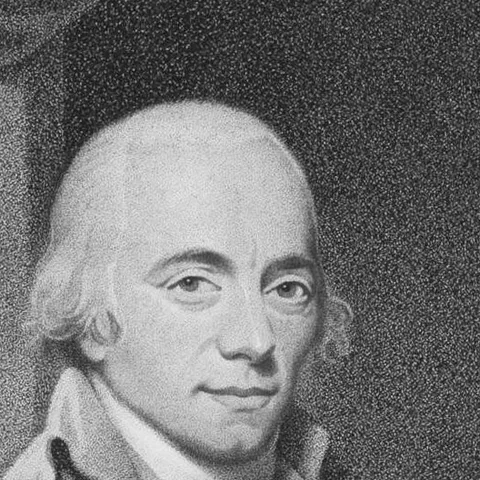
Piano · Op. 36 No. 1 · 1797
ムツィオ・クレメンティ(1752–1832)
世代をこえて親しまれる、ピアノ学習の定番ソナチネ。A little sonata loved by generations of piano students.
PUBLIC DOMAIN RECORDING
PD / CC0 無料でダウンロードOK 別の演奏で聴く 1:Bernd Krueger
ANOTHER RECORDING 1
CC BY-SA 3.0
WATCH ON YOUTUBE
 Clementi: Sonatina No. 1 in C Major, Op. 36: I. Spiritoso
Lang Lang - Topic(YouTube) YouTube で開く ↗
Clementi: Sonatina in C major, op. 36 no. 1 (complete) | Cory Hall, pianist-composer
BachScholar(YouTube) YouTube で開く ↗
左の音源は権利が切れた録音なのでダウンロードできます。右の動画は YouTube の公式の埋め込みで見るもので、ダウンロードはできません(動画の権利は各チャンネルにあります)。
 もっと名演を観る YouTube で何百万回も再生された人気の演奏
Clementi - Sonatina In C Major, Op. 36, No. 1, Allegro | Vinheteiro |
Vinheteiro(YouTube) YouTube で開く ↗

ホー!作曲したクレメンティは、モーツァルトとピアノの腕くらべをした人なんだ。
 この曲のおはなし The Story
「ソナチネ ハ長調 作品36の1」は、イタリア生まれでイギリスで活躍したクレメンティが書いた、ピアノのための小さなソナタです。ソナチネとは「小さなソナタ」という意味。1797年にロンドンで出版された6曲の「段階的なソナチネ」の1曲目で、曲が進むにつれて少しずつむずかしくなるように作られています。Sonatina in C major, Op. 36 No. 1, is a small piano sonata by Muzio Clementi, an Italian-born composer who worked in England. 'Sonatina' means 'little sonata'. It is the first of six 'progressive sonatinas' published in London in 1797, which become gradually more difficult as you go through the set.
3つの楽章でできていて、元気な第1楽章、ゆっくり歌う第2楽章、軽やかに走る第3楽章と、短い中にソナタの形がわかりやすくつまっています。第1楽章は、ドミソの和音を上っていくシンプルなテーマで始まり、ソナタ形式(テーマを出し、展開し、もどす形)をはじめて学ぶのにぴったりです。It has three movements: a lively first movement, a slow, singing second movement, and a light, running third movement. In a short space, it clearly shows how a sonata works. The first movement begins with a simple theme that climbs up a C major chord, C-E-G, making it perfect for learning sonata form for the first time.
クレメンティはピアニスト、作曲家、先生であり、さらにピアノの製造や楽譜の出版も手がけた実業家でした。「ピアノの父」と呼ばれることもあります。このソナチネは200年以上たった今も、日本のピアノ教室で使われる『ソナチネアルバム』などの定番として、多くの子どもたちに弾かれています。Clementi was a pianist, composer and teacher, and also a businessman who made pianos and published music. He is sometimes called the 'father of the piano'. More than 200 years later, this sonatina is still a standard piece in collections like the Sonatina Album used in Japanese piano lessons, and many children play it.
This is a short piece for piano. Many piano students in Japan play it. It has three parts: fast, slow, and fast. The composer, Clementi, once had a piano contest with Mozart!これはピアノのための短い曲です。日本でもたくさんのピアノを習う人が弾いています。速い・ゆっくり・速いの3つの楽章があります。作曲したクレメンティは、モーツァルトとピアノの腕くらべをしたことがあるんですよ!
 聴きどころ Listening Guide
 えっ!?ネタ Surprising Facts
 タップすると答えが開きます
1781年のクリスマス・イブ、ウィーンの皇帝ヨーゼフ2世の前で、クレメンティとモーツァルトがピアノの腕くらべをしました。2人とも即興や自分の曲を弾き、はっきりした勝ち負けはつかなかったと言われています。皇帝が見守った、夢のような対決でした。
On Christmas Eve 1781, Clementi and Mozart held a piano contest in Vienna in front of Emperor Joseph II. Both played improvisations and their own music, and it is said that there was no clear winner. It was a dream match watched by the emperor.
モーツァルトは父への手紙の中で、クレメンティのことを「ただの機械(メカニクス)」と書き、心がこもっていないと批判しました。一方、クレメンティはモーツァルトの演奏をほめていたと伝えられています。ライバル心をむき出しにしていたのは、モーツァルトのほうだったようです。
In a letter to his father, Mozart called Clementi 'a mere mechanic', saying he played without feeling. Clementi, on the other hand, is said to have praised Mozart's playing. It seems Mozart was the one with the stronger sense of rivalry.
対決のときクレメンティが弾いた変ロ長調のソナタの始まりのメロディーは、10年後のモーツァルトのオペラ『魔笛』序曲の主題とよく似ています。クレメンティはのちにこの曲を出版するとき、「モーツァルトの前で弾いた」とわざわざ書きそえました。本当に影響があったかどうかは、はっきりしません。
The opening of the B-flat sonata Clementi played at the contest is very similar to the main theme of the overture to Mozart's opera The Magic Flute, written ten years later. When Clementi later published the sonata, he made a point of noting that he had played it before Mozart. Whether Mozart was really influenced is not clear.
クレメンティは練習曲集『グラドゥス・アド・パルナッスム(パルナッソス山への階段)』も書きました。のちにドビュッシーは、ピアノ曲集『子どもの領分』の中に「グラドゥス・アド・パルナッスム博士」という曲を書き、まじめに練習する子どもをユーモラスにえがいています。
Clementi also wrote a famous set of studies called Gradus ad Parnassum, meaning 'Steps to Parnassus'. Later, Debussy wrote a piece called 'Doctor Gradus ad Parnassum' in his suite Children's Corner, humorously showing a child practicing seriously.
ENGLISH × MASTERPIECE
 帆船の新人が、まずロープのあつかいを覚えたことから来たと言われます。
 この曲で覚える英単語 Words
 クイズに挑戦 Quiz
 この録音について(著作権・出典) Credits
MORE MASTERPIECES
パッヘルベル・c. 1680–1706
あの「カノン」には、はずむ相棒がいた!知られざる後半戦。
カノンとジーグ ニ長調 より「ジーグ」のページへシャルパンティエ・c. 1688–1698
パンパカパーン!ヨーロッパのテレビの幕開けを飾ってきた、ごうかな前奏曲。
テ・デウム ニ長調のページへ
パーセル・1695
ブリテンが「オーケストラ入門」のテーマに選んだ、かっこいいメロディー。
劇音楽「アブデラザール」より ロンドのページへクラーク・c. 1700
結婚式の大定番。でも作曲者は長いあいだ取りちがえられていた!
トランペット・ヴォランタリー(デンマーク王子の行進)のページへ
バッハ・c. 1703–1707 (?)
音楽の授業でおなじみ!4つの声が同じテーマで追いかけっこ。
小フーガ ト短調のページへバッハ・c. 1707–1710 (?)
キラキラの駆け上がりで幕開け!若きバッハのはなやかな鍵盤ショー。
トッカータ ニ長調のページへ
ヴィヴァルディ・published 1711
2本のヴァイオリンが火花を散らす!バッハも編曲した熱い協奏曲。
協奏曲集『調和の霊感』第8番 イ短調(2つのヴァイオリンのための協奏曲)のページへ
テレマン・c. 1710–1720 (?)
バルブのないラッパで高音をきらり!バロックのトランペットの晴れ舞台。
トランペット協奏曲 ニ長調のページへ MP3