
ダイドーの嘆き
Dido's Lament
パーセル・by 1689
「わたしを覚えていて」。くり返す低音にのせた、胸をうつ別れの歌。
歌劇「ダイドーとエネアス」より「ダイドーの嘆き」のページへ
Piano · Op. 28 No. 6 · 1838–1839
フレデリック・ショパン(1810–1849)
主役は左手!チェロのように低く歌う、悲しみのプレリュード。The left hand takes the lead, singing low like a cello.
PUBLIC DOMAIN RECORDING
PD / CC0 無料でダウンロードOKWATCH ON YOUTUBE
 Chopin - Prelude in B Minor (Op. 28 No. 6)
Rousseau(YouTube) YouTube で開く ↗
Seong-Jin Cho – Prelude in B minor Op. 28 No. 6 (third stage)
Chopin Institute(YouTube) YouTube で開く ↗
左の音源は権利が切れた録音なのでダウンロードできます。右の動画は YouTube の公式の埋め込みで見るもので、ダウンロードはできません(動画の権利は各チャンネルにあります)。
 もっと名演を観る YouTube で何百万回も再生された人気の演奏
Alice Sara Ott – Chopin: Prélude No. 6 in B minor 'Lento assai'
Deutsche Grammophon - DG(YouTube) YouTube で開く ↗

ホー!この曲はメロディーが下にあるんだ。右手は、静かにしたたるしずくのようだね。
 この曲のおはなし The Story
この曲は、ショパンの「24の前奏曲」作品28の6曲目です。テンポは「レント・アッサイ(とてもゆっくり)」。ふつうピアノ曲では右手がメロディーを受けもちますが、この曲では左手が低い音域で、チェロが歌うような悲しげなメロディーをひきます。右手は、同じ音をくり返す静かな和音で、それにそっと寄りそいます。This is the sixth piece of Chopin's 24 Preludes, Op. 28. It is marked Lento assai, very slow. Usually the right hand plays the melody in piano music, but in this piece the left hand plays a sad melody in a low range, like a singing cello. The right hand quietly follows along with soft chords that repeat the same notes.
24の前奏曲は、長調と、同じ調号を使う短調をペアにして並んでいます。この第6番のロ短調は、ひとつ前の第5番ニ長調とペアになっています。明るく軽やかに駆けめぐる第5番のあとに、この曲の重く静かな響きが続くので、そのちがいがいっそう心にしみます。The 24 Preludes are arranged in pairs of a major key and the minor key that shares its key signature. This No. 6 in B minor is paired with No. 5 in D major, the piece just before it. After the bright, quick No. 5 comes the heavy, quiet sound of this piece, so the contrast touches your heart even more.
前奏曲集は1839年に出版されました。1849年10月、パリのマドレーヌ寺院で行われたショパンの葬儀では、この第6番がオルガンで演奏されたと伝えられています。ピアノのための小さな曲が、オルガンの響きにのって、作曲者自身との別れの場に流れたのです。そのしみじみとした悲しみは、今も多くの人に愛されています。The Preludes were published in 1839. At Chopin's funeral at the Church of the Madeleine in Paris in October 1849, this No. 6 is said to have been played on the organ. A small piano piece, played on the organ, filled the place where people said goodbye to its own composer. Its deep, quiet sadness is still loved by many people today.
This prelude is very slow and sad. The left hand plays the melody. It sounds like a cello. The right hand plays soft notes again and again, like drops of rain. The piece is short but very beautiful.この前奏曲はとてもゆっくりで、悲しい曲です。左手がメロディーをひきます。チェロのように聞こえます。右手は、雨のしずくのように、やわらかい音を何度もくり返します。短いけれど、とても美しい曲です。
 聴きどころ Listening Guide
 えっ!?ネタ Surprising Facts
 タップすると答えが開きます
ピアノ曲では、ふつう右手が高い音でメロディーをひき、左手が伴奏を受けもちます。でもこの曲では役割が逆。左手が低い音で悲しいメロディーを歌い、右手が和音で支えます。まるでチェロの独奏を、ピアノ1台で聴いているようです。
In piano music, the right hand usually plays the melody high up, and the left hand plays the accompaniment. But in this piece, the roles are reversed. The left hand sings a sad melody low down, and the right hand supports it with chords. It is like hearing a cello solo on one piano.
ジョルジュ・サンドは、マジョルカ島での雨の夜にショパンがひいていた前奏曲について書き残しましたが、どの曲かは書いていません。有名なのは第15番「雨だれ」説ですが、右手が同じ音をしずくのようにくり返すこの第6番こそがその曲だ、と考える人もいます。
George Sand wrote about a prelude Chopin was playing on a rainy night in Mallorca, but she did not say which one. The famous answer is No. 15, the Raindrop, but some people think it was this No. 6, where the right hand repeats the same notes like falling drops.
ショパンの作品のほとんどはピアノ独奏のための曲ですが、チェロを使った作品もいくつかあります。「序奏と華麗なるポロネーズ」や、チェロ奏者フランショームと共作した「大二重奏曲」があり、晩年にはチェロ・ソナタも書きました。
Almost all of Chopin's works are for solo piano, but he also wrote several works with the cello. They include the Introduction and Polonaise brillante, the Grand Duo concertant written with the cellist Franchomme, and a cello sonata from his last years.
24の前奏曲は、長調と、同じ調号の短調が組になっています。この第6番ロ短調は、第5番ニ長調とペアです。第5番が明るくくるくると駆けまわるのに対し、第6番はとても静かでゆっくり。続けて聴くと、光と影のちがいがよくわかります。
The 24 Preludes are paired: a major key and the minor key with the same key signature. This No. 6 in B minor is paired with No. 5 in D major. No. 5 runs around brightly, while No. 6 is very quiet and slow. If you listen to them in a row, you can clearly feel the difference between light and shadow.
ENGLISH × MASTERPIECE
 lead は「先導・主役」。グループで率先して動くときにも使います。
 この曲で覚える英単語 Words
 クイズに挑戦 Quiz
 この録音について(著作権・出典) Credits
MORE MASTERPIECES
パーセル・by 1689
「わたしを覚えていて」。くり返す低音にのせた、胸をうつ別れの歌。
歌劇「ダイドーとエネアス」より「ダイドーの嘆き」のページへ
バッハ・c. 1703–1707 (?)
音楽の授業でおなじみ!4つの声が同じテーマで追いかけっこ。
小フーガ ト短調のページへバッハ・c. 1706–1713
足が弾く低いテーマが21回!重くて壮大な、オルガンの大建築。
パッサカリアとフーガ ハ短調のページへ
ヘンデル・1711
「泣かせてください」と歌う、深い悲しみに満ちた名アリア。
私を泣かせてください(歌劇『リナルド』より)のページへ
クープラン・published 1717
題名の意味はだれも知らない!やわらかく波打つ、なぞの名曲。
神秘的なバリケードのページへ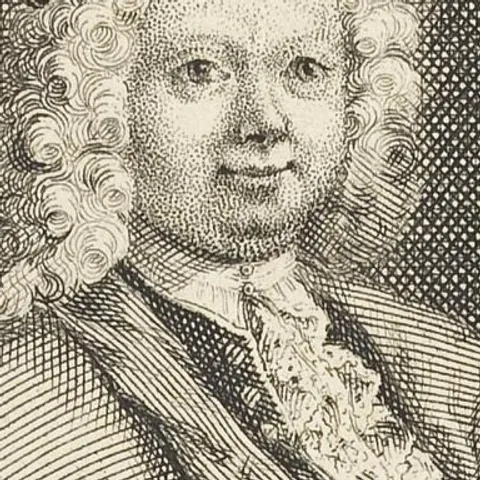
マルチェッロ・published c. 1717
胸にしみるアダージョ!バッハも編曲したオーボエの名曲。
オーボエ協奏曲 ニ短調のページへバッハ・c. 1720
チェロ1本だけで、こんなに豊かな世界が広がる!
無伴奏チェロ組曲 第1番 ト長調のページへバッハ・c. 1720
ヴァイオリン1本で、宇宙のように大きな世界を描く傑作。
無伴奏ヴァイオリン・パルティータ第2番 ニ短調より「シャコンヌ」のページへ
 MP3