
カノン
Canon in D
パッヘルベル・c. 1680–1706
同じ8つの音が28回!なのに聴くたび胸がいっぱいになる曲。
カノンとジーグ ニ長調 より「カノン」のページへ
Piano · Op. 9 No. 3 · 1830–1832
フレデリック・ショパン(1810–1849)
最初のノクターン集のラストは、のんびり歩きから嵐へ。The last piece of Chopin's first nocturne set: a gentle stroll that meets a storm.
PUBLIC DOMAIN RECORDING
PD / CC0 無料でダウンロードOKWATCH ON YOUTUBE
 Chopin: Nocturnes, Op. 9: No. 3 in B Major. Allegretto
Jan Lisiecki - Topic(YouTube) YouTube で開く ↗
Chopin Nocturne Op.9 No.3 - P. Barton, FEURICH 218 piano
Paul Barton(YouTube) YouTube で開く ↗
左の音源は権利が切れた録音なのでダウンロードできます。右の動画は YouTube の公式の埋め込みで見るもので、ダウンロードはできません(動画の権利は各チャンネルにあります)。
 もっと名演を観る YouTube で何百万回も再生された人気の演奏
Anna Fedorova – Nocturne in B major, Op. 9 No. 3 (first stage, 2010)
Chopin Institute(YouTube) YouTube で開く ↗

ホー!有名な第2番のおとなりさん。3曲セットの最後を飾る、ちょっと元気なノクターンだよ。
 この曲のおはなし The Story
この曲は、ショパンが最初に出版したノクターン(夜想曲)集「作品9」の3曲目、つまり最後の曲です。テンポは「アレグレット(やや速く)」で、ゆったりした夜の歌というより、夜道を軽い足どりで散歩しているような明るさがあります。メロディーは半音ずつ上がったり下がったりして、なつかしいような、少しせつない色をおびています。This is the third and last piece in Op. 9, the first set of nocturnes Chopin published. It is marked Allegretto, which means fairly quick. Instead of a slow night song, it feels more like a light walk along a street at night. The melody slides up and down by half steps, and this gives it a warm but slightly wistful color.
曲は「A-B-A」の3つの部分でできています。まん中のBは「アジタート(せき立てるように)」と書かれたロ短調の部分で、急に空気が変わります。左手は休みなく細かい音を刻み、右手はメロディーとそれに答えるもう1つのメロディーを同時にひきます。とても高い技術がいる、ドラマチックな場面です。The piece is in three parts, A–B–A. The middle part, B, is in B minor and marked Agitato, which means restless. Suddenly the mood changes. The left hand plays fast notes without a break, while the right hand plays a melody and a second answering melody at the same time. It is a dramatic passage that needs great skill.
最後にもとのメロディーがもどり、小さなカデンツァ(自由に飾る部分)のあと、ロ長調の分散和音で静かに終わります。この終わり方は、同じ曲集の第2番の終わりとよく似ています。作品9は1832年に出版され、ピアノ製造で有名なプレイエル家のマリー夫人にささげられました。第2番ほど有名ではありませんが、3曲を続けて聴くと曲集の流れがよくわかります。At the end, the first melody returns. After a small cadenza, a free and decorated passage, the piece ends quietly with broken chords in B major. This ending is very similar to the ending of No. 2 in the same set. Op. 9 was published in 1832 and dedicated to Marie Pleyel. It is less famous than No. 2, but if you hear all three pieces in a row, you can feel how the set flows.
This is the third nocturne in Chopin's first nocturne book. It is a little faster than the other two. It sounds like a walk at night. In the middle, the music suddenly gets stormy. Then the calm walk comes back.これはショパンの最初のノクターン集の、3曲目のノクターンです。ほかの2曲より少し速いです。夜の散歩のように聞こえます。まん中で、音楽が急に嵐のようになります。そのあと、おだやかな散歩がもどってきます。
 聴きどころ Listening Guide
 えっ!?ネタ Surprising Facts
 タップすると答えが開きます
作品9をささげられたマリー・プレイエル(旧姓モーク)は、すぐれたピアニストでした。じつは彼女は、若いころ作曲家ベルリオーズと婚約していました。でもベルリオーズがローマに留学している間に婚約はなくなり、ピアノ会社のカミーユ・プレイエルと結婚したのです。
Marie Pleyel, born Marie Moke, was a fine pianist. In fact, when she was young, she was engaged to the composer Berlioz. But while Berlioz was studying in Rome, the engagement ended, and she married Camille Pleyel of the piano company.
作品9の3曲のうち、第2番は世界中で愛される大ヒット曲です。そのため、同じ曲集の第3番がひかれる機会はぐっと少なめです。でも明るさと嵐を1曲に閉じこめたこの曲は、ショパンが20歳前後で書いたとは思えないほど、たくみに作られています。
Among the three pieces in Op. 9, No. 2 is a huge hit loved all over the world. Because of that, No. 3 is played much less often. But this piece, which holds both brightness and a storm, is so skillfully made that it is hard to believe Chopin was only about twenty when he wrote it.
まん中のアジタートの部分では、右手がメロディーと、それに答えるもう1つのメロディーを同時にひきます。そのあいだ左手は細かい音を休みなく続けます。1人のピアニストが、まるで2人の歌手と伴奏者を一度に受けもつような、むずかしい場面です。
In the Agitato middle part, the right hand plays a melody and a second answering melody at the same time. Meanwhile, the left hand keeps playing fast notes without stopping. It is a hard passage, as if one pianist had to be two singers and an accompanist all at once.
曲の最後には、左手が広い和音をおさえ、右手が高い音域で細かい音を並べる小さなカデンツァが出てきます。これは第2番の終わり方とよく似た形です。3曲のつながりを感じさせる、ちょっとした共通点です。
At the very end, there is a small cadenza: the left hand holds a wide chord while the right hand plays quick notes high up. This is very similar to the way No. 2 ends. This shared detail gives a sense that the pieces belong together.
ENGLISH × MASTERPIECE
 10セント硬貨の上でくるりと回れるほど、すばやく方向を変えることから。アメリカ英語です。
 この曲で覚える英単語 Words
 クイズに挑戦 Quiz
 この録音について(著作権・出典) Credits
MORE MASTERPIECES
パッヘルベル・c. 1680–1706
同じ8つの音が28回!なのに聴くたび胸がいっぱいになる曲。
カノンとジーグ ニ長調 より「カノン」のページへ
バッハ・c. 1703–1707 (?)
音楽の授業でおなじみ!4つの声が同じテーマで追いかけっこ。
小フーガ ト短調のページへ
ヴィヴァルディ・published 1711
2本のヴァイオリンが火花を散らす!バッハも編曲した熱い協奏曲。
協奏曲集『調和の霊感』第8番 イ短調(2つのヴァイオリンのための協奏曲)のページへバッハ・1713
2本のリコーダーがやさしく鳴る、のどかな牧場の歌。
カンタータ第208番より「羊は安らかに草を食み」のページへ
コレッリ・published 1714
聖なる夜のために。最後に羊飼いの笛のようなパストラーレが流れます。
合奏協奏曲 ト短調「クリスマス協奏曲」のページへ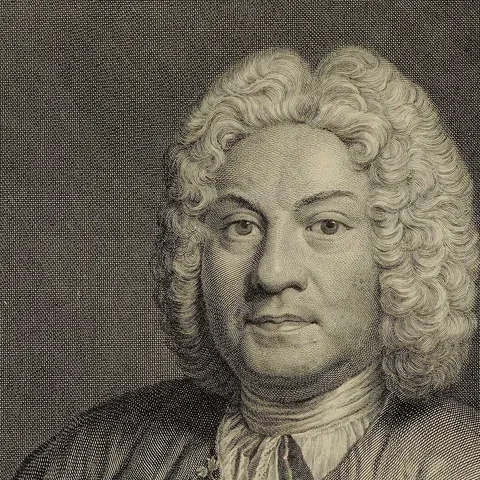
クープラン・published 1717
題名の意味はだれも知らない!やわらかく波打つ、なぞの名曲。
神秘的なバリケードのページへ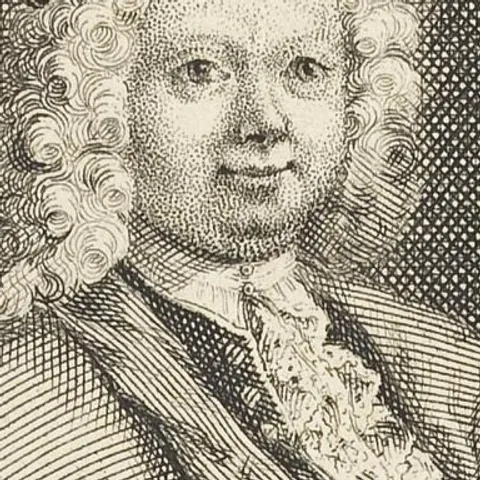
マルチェッロ・published c. 1717
胸にしみるアダージョ!バッハも編曲したオーボエの名曲。
オーボエ協奏曲 ニ短調のページへバッハ・c. 1720
チェロ1本だけで、こんなに豊かな世界が広がる!
無伴奏チェロ組曲 第1番 ト長調のページへ
 MP3